
Finding the right warehouse and office space for your business can boost your profits and streamline your operations. Generally, choosing the right space for your needs depends on reviewing key factors and comprehensive planning. This applies in all situations, whether you are launching something new or growing current operations.
The main idea is to understand the process, which will help you secure the right spot for your specific needs. You should click here to learn more about this particular topic.
At the same time, you will calculate space requirements, review potential locations, conduct proper market research and complete reliable tasks.
The systematic process can help you understand access loading details and lease terms, which are essential to identifying the desired industrial area for your business needs. Stay with us to learn more about it. Let us start from the beginning.
Define Your Needs
The first and most important factor when choosing a warehouse and professional office is determining space requirements, which will help you avoid potential issues throughout the process. Your projected and current inventory levels may require careful analysis to determine the space you need to support growth.
Therefore, you should calculate the desired square footage, starting with your inventory cubic-footage requirements. You can determine this by calculating the number of pallets to the stack height, considering the base dimensions as the primary factor.
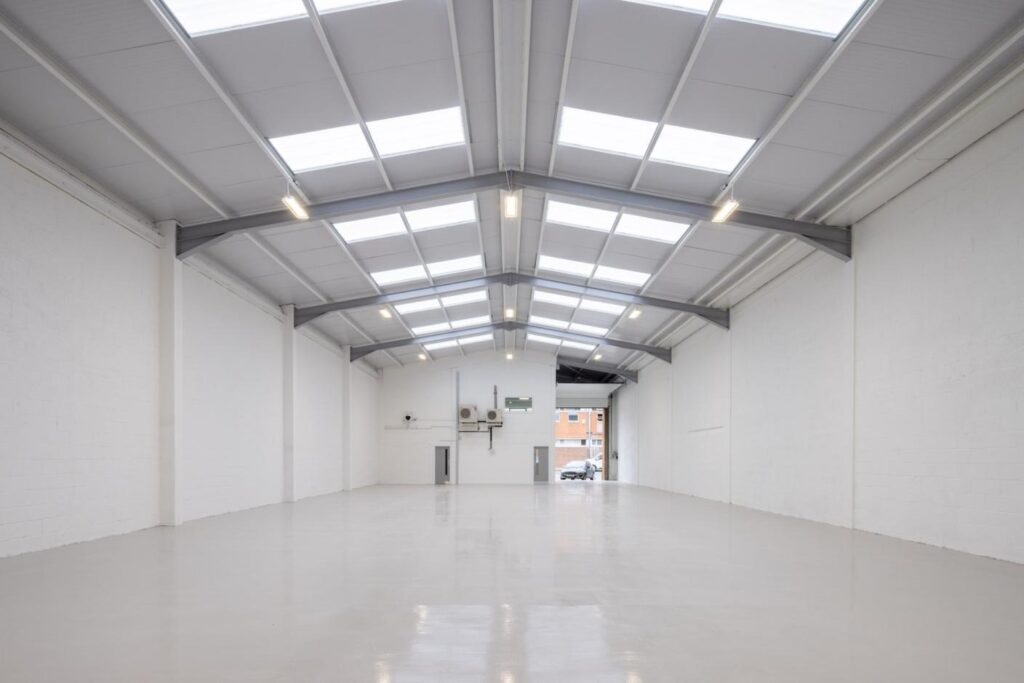
Generally, a modern warehouse requires specific features to function properly. We are talking about clear height requirements – https://www.scribd.com/presentation/439800267/Ceiling-Height-and-Air-Space. For instance, modern facilities offer 36-foot clear heights, which is much better than 32-foot clearance. This change will directly increase storage capacity to 25% within the footprint.
At the same time, you should check out whether the warehouse feature has reinforced flooring, because it is recommended for areas with high clearances. Other features include adequate parking, fire prevention systems, energy-efficient lighting, truck loading clearance and specifications, power supply, and more.
Determine Office Space
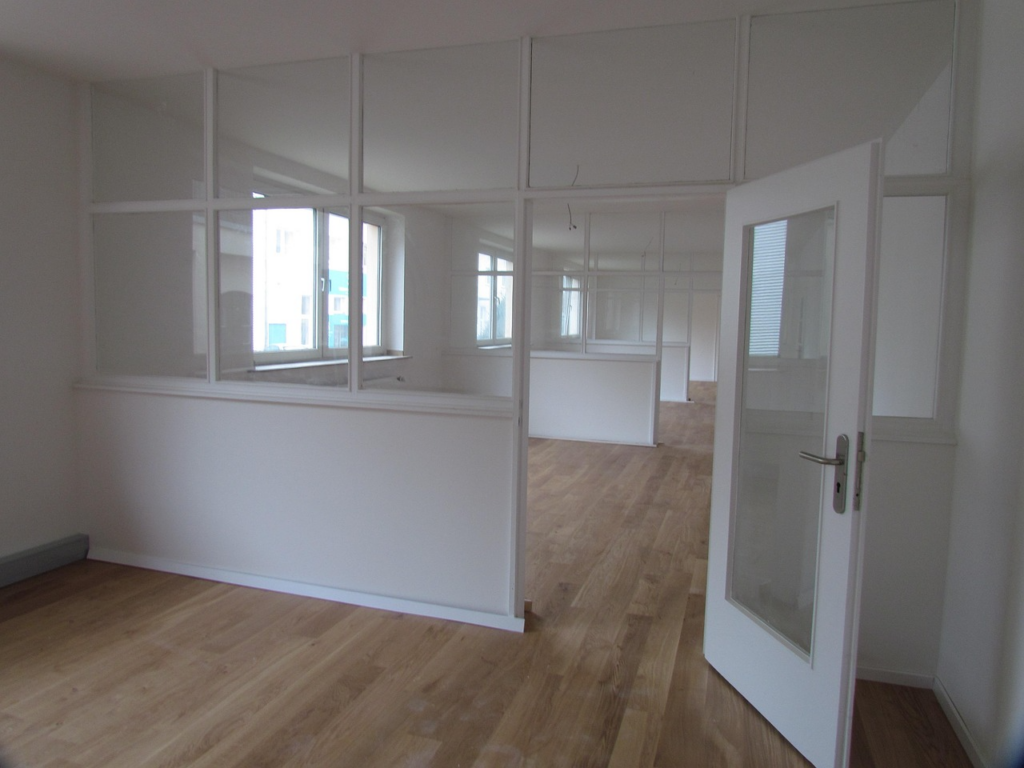
Make sure that your warehouse has some decent office space so you can use that for office work. Thus, you might set up in a warehouse for your office. The space should support employee facilities. Like an employee rest area and bathroom. It is also the point when a well-placed office area will hold quick checks in over warehouse activities, thereby establishing a professional environment. The overall space assessment should include both non-storage and storage spaces. To get a good sense of storage area, figure out the square footage for loading areas, bathrooms, office, and administration.
For some who may need a professional office only, deciding on the appropriate office space has a slightly different aspect. Begin by reviewing your workspace size based on your team’s needs today and possible future growth. If your business runs on having a lot of meetings, you’ll find office space in very accessible types of commercial districts with decent parking and public transport. Meet a conference hall, chat room, internet infrastructure, security, shared facilities. Features such as these can also drastically optimize productivity on a daily basis and provide you and your site visitors with a more streamlined, professional and collaborative environment.
Advantages of Renting Instead of Buying
For businesses planning to expand, finding the right space is often one of the biggest challenges. Renting can be a practical solution because it allows companies to secure the facilities they need without committing large amounts of capital to construction or property purchases. Options such as warehouse and offices to let in Rosebank with Currie Group provide businesses with ready-to-use spaces in strategic locations, allowing them to begin operations quickly while focusing resources on growth and daily operations.
One of the major advantages of renting a warehouse or office space is better financial flexibility. Instead of spending heavily on land, construction, and long-term property investments, businesses can allocate funds to areas that directly support growth, such as purchasing equipment, increasing inventory, or expanding their workforce.
Renting can also offer potential cost advantages. Lease payments are often considered operational expenses, which may provide certain tax benefits depending on the business structure and local regulations. At the same time, tenants are typically not responsible for large capital expenses associated with property ownership, such as land purchases or major structural investments.
The third major advantage of renting is convenience. Many rental properties include maintenance and repair services handled by the property provider. Businesses can avoid the time-consuming responsibilities of property management and instead focus on productivity, scalability, and responding quickly to changing market demands.
Final Words
A warehouse and office space at the right address for your business can increase the profitability of your business. Typically, selecting the most appropriate location for your needs will hinge on examining major factors and exhaustive planning processes. There’s no one-size-fits-all layout, but as with every good warehouse, you can’t have a good place to store and your office for business. Review the lease terms carefully and think about the long-term flexibility of the space. By balancing practicality, location, and flexibility, companies can find an office space that supports their workflow just as effectively as a warehouse would support logistics.
As you can see from everything mentioned above, you can choose different options when it comes to renting your first or next office space or warehouse for your specific company.
Still, you should conduct comprehensive research before making a decision, which will help you throughout the process. It is as simple as that.