
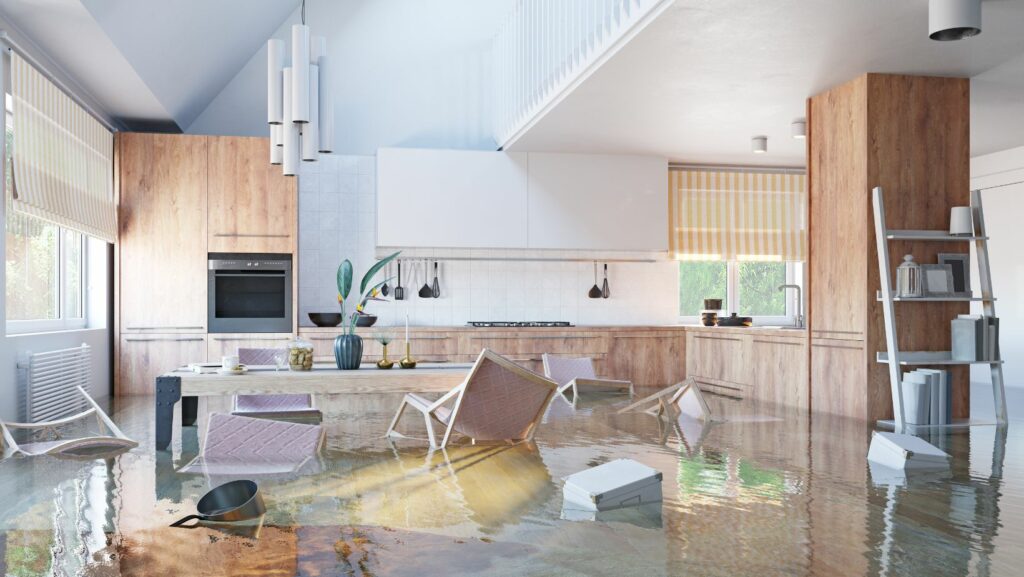
A stunning landscape is more than lush plants and manicured lawns—it is a system working quietly beneath the surface to keep everything healthy, safe, and sustainable. At the heart of this system are two often-overlooked heroes: drainage and irrigation. Without well-planned water management, even the most beautiful garden can quickly turn into a high-maintenance headache, with problems ranging from waterlogged roots to eroded pathways.
For property owners, facility managers, and councils, understanding the role of drainage and irrigation is key to protecting both aesthetic value and long-term investment.
Why Water Management Matters
Water is life for any landscape—but too much or too little can have damaging effects. Poor drainage can lead to saturated soil, causing root rot, fungal growth, and unsafe muddy areas. In contrast, insufficient irrigation can stress plants, leading to wilting, reduced growth, and increased vulnerability to pests.
A well-designed water management plan strikes a balance, keeping soil moisture at optimal levels while protecting hardscape and surrounding infrastructure. For any landscape construction company, this is one of the first design considerations before a single plant is installed.
The Role of Drainage Systems
Drainage is the unsung protector of your landscape. Its primary purpose is to redirect excess water away from vulnerable areas, preventing erosion and pooling that can damage plants and structures.
Key drainage solutions include:
- French Drains – Perforated pipes buried in gravel trenches that collect and channel groundwater away from saturated zones.
- Surface Drains and Channel Grates – Ideal for hardscape areas like driveways or courtyards where water can accumulate.
- Swales and Bioswales – Shallow, vegetated channels that slow and filter stormwater runoff, providing both function and visual appeal.
Good drainage design is not just about removing water but doing so sustainably. It reduces soil erosion, preserves nutrients, and prevents costly damage to retaining walls, pathways, and building foundations.
The Science of Irrigation
While drainage removes excess water, irrigation ensures plants receive what they need—no more, no less. Modern irrigation systems go far beyond sprinklers, using sensors and automation to deliver water efficiently.
Some effective irrigation approaches include:
- Drip Irrigation – Delivers water directly to the root zone, reducing evaporation and runoff.
- Smart Controllers – Adjust watering schedules based on weather forecasts, soil moisture levels, and seasonal changes.
- Subsurface Irrigation – Buried lines that minimise surface wetting, ideal for high-traffic lawns.
By choosing the right irrigation strategy, property owners can reduce water waste, lower utility bills, and keep plantings healthy through dry periods.
Integrating Drainage and Irrigation
The best results come when drainage and irrigation are planned together, rather than as separate systems. For example, installing subsoil drainage before laying turf ensures the root zone never becomes waterlogged, while pairing it with a smart irrigation system guarantees consistent moisture.
This integrated approach is a hallmark of quality landscape construction solutions. It ensures that all elements—plants, hardscape, soil profiles—work harmoniously, reducing the need for reactive fixes down the track.
Preventing Common Problems
Many of the most frequent landscaping issues can be traced back to poor water management:
- Erosion and washouts – Caused by uncontrolled runoff, leading to exposed roots and destabilised slopes.
- Ponding and waterlogging – Creates breeding grounds for mosquitoes and damages turf.
- Uneven plant growth – Results from inconsistent watering or poor infiltration rates.
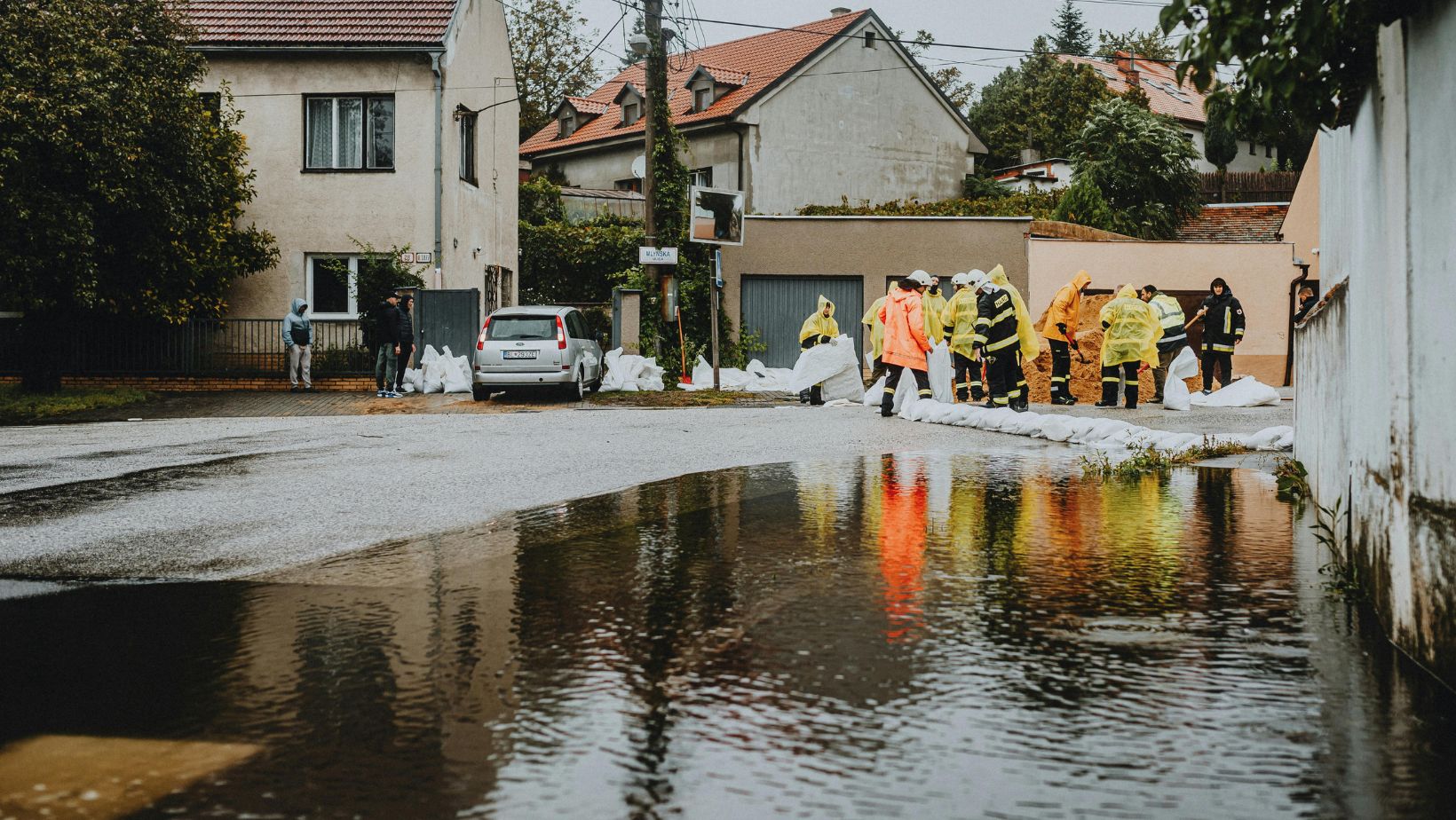
Addressing these problems after construction is far more costly and disruptive than incorporating effective water systems from the outset.
Ongoing Maintenance and Monitoring
Even the best-designed systems require ongoing care. Regular inspection of drains for blockages, cleaning of grates, and adjustment of irrigation controllers are vital to keep everything functioning optimally.
Professional landscape maintenance services often include these tasks as part of their routine programs, ensuring the system adapts to seasonal changes and continues to deliver results year after year. For large-scale commercial landscapes, data-logging irrigation controllers can provide usage reports, helping managers track efficiency and identify leaks early.
Sustainability Benefits
Water management is not just about protecting plants—it is about stewardship. Effective systems reduce stormwater runoff, which can carry pollutants into waterways, and help conserve water by delivering it where and when it is needed most. This makes them a critical part of sustainable landscaping and urban design.
For councils and developers, prioritising drainage and irrigation contributes to greener, more resilient communities while aligning with environmental targets and water-saving initiatives.
Behind every thriving, low-maintenance landscape lies an invisible network of systems that keep water flowing where it should—and nowhere it shouldn’t. Drainage protects against erosion and structural damage, while irrigation sustains plant life with precision and efficiency.
By working with an experienced landscape construction company to plan these systems from the ground up, property owners can prevent costly issues, extend the life of their outdoor spaces, and enjoy a greener, healthier environment. The true heroes of a landscape may be hidden from view, but their impact is seen in every flourishing plant and stable pathway.