
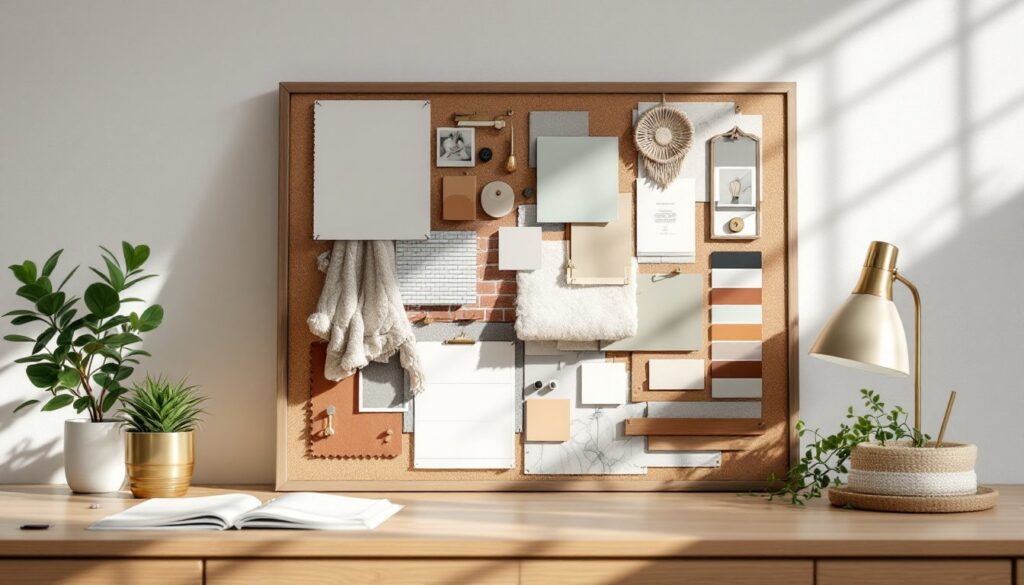
A mood board is a powerful planning tool that helps designers and homeowners visualize a space before committing to expensive purchases or renovations. By gathering colors, textures, materials, and furnishings in one place, whether digital or physical, anyone can test design concepts quickly and affordably. Rather than guessing whether that sage green wall will work with the existing flooring, a mood board lets you see combinations upfront. This guide walks through seven real-world mood board examples that range from minimalist to luxe, showing how to pull together inspiring, cohesive interiors. Whether planning a full remodel or refreshing a single room, these examples demonstrate how mood boards translate inspiration into actionable design decisions.
Key Takeaways
- Mood board examples for interior design allow homeowners to visualize and test design concepts affordably before making expensive purchases or renovations.
- Effective mood boards combine paint samples, fabric swatches, material finishes, and lighting references organized together to reveal color combinations and material compatibility.
- Different design styles—from modern minimalist to luxury and bohemian—require distinct mood board elements, such as neutral palettes and clean lines for minimalist spaces or layered textures and warm tones for bohemian interiors.
- Lighting, flooring, and hardware are critical details that should be represented in mood boards to ensure functional design and prevent costly mistakes.
- A well-constructed mood board serves as a navigable roadmap that translates interior design inspiration into actionable, intentional decisions for any room or renovation project.
Modern Minimalist Living Room Mood Board
A modern minimalist living room mood board strips back visual noise and focuses on clean lines, neutral palettes, and functional beauty. This approach centers on whites, soft grays, and natural wood tones, typically Scandinavian oak or ash with a matte finish. The mood board includes a paint sample in warm white (like Benjamin Moore Cloud White or Sherwin-Williams Alabaster), paired with light gray upholstery swatches and a few concrete or stone textures. Furniture selections stay low-profile: a platform bed frame, a simple linear sofa without excess cushions, and floating shelves for storage. A single accent material, brushed steel or blackened steel, introduces subtle contrast. Lighting is essential here: include photos of pendant lights with minimal frames and recessed fixtures that disappear into the ceiling. When assembling this board, homeowners should include fabric samples for upholstery and note specific dimensions (a sofa depth of 24 inches keeps the room feeling open). The result is a serene, uncluttered environment where every object has purpose and nothing fights for attention.
Warm Bohemian Bedroom Mood Board
Bohemian design celebrates layered textures, warm earthy tones, and artisanal character. A mood board for this style includes terracotta, rust, ochre, and deep sage swatches, often pulled from clay, ceramic, or fabric samples. Include images of hand-knotted rugs (jute, wool, or cotton blends), macramé wall hangings, and carved wooden furniture with a distressed or natural finish. Color palette examples: warm taupe walls, paired with rust-red linens and throw pillows in various fabric weights, linen, cotton, and a fuzzy faux-fur accent. Lighting should feature woven pendant shades or brass fixtures that feel vintage and warm. Add samples of plants (potted ferns, succulents, trailing ivy) since greenery anchors bohemian spaces. Textiles are the hero here: gather at least five different fabric and textile samples showing varied weave patterns. When homeowners start shopping, this visual reference prevents the space from feeling chaotic by maintaining a defined warm color temperature and ensuring materials feel handmade rather than mass-produced. The board should whisper coziness and individuality.
Contemporary Kitchen Design Mood Board
Contemporary kitchen mood boards balance style with realism: kitchens must perform before they impress. Start with cabinetry finishes, matte white, graphite gray, or natural ply wood (plywood veneered with real wood grain, not laminate), and pair samples with countertop materials. Quartz offers consistency and durability: granite brings natural variation: butcher block adds warmth but requires upkeep. A mood board here should include a paint chip for the walls (often a soft white or greige to keep focus on cabinetry), samples of three to four countertop choices, and hardware swatches, stainless steel, matte black, or brass pulls convey different moods. Backsplash is key: include tiles in subway, hexagonal, or larger-format configurations. Lighting samples matter enormously in kitchens: include images of recessed lights, pendant fixtures over an island, and under-cabinet LED strips that illuminate work surfaces. Include appliance finishes (stainless, black stainless, or matte black). Flooring should be practical: ceramic tile, luxury vinyl plank (LVP), or sealed concrete, with samples showing color and texture. A real kitchen mood board also sketches the workflow, sink, stove, refrigerator placement, ensuring the beautiful design functions for cooking and cleanup.
Industrial Loft Mood Board
Industrial design embraces raw materials, exposed structure, and an unfinished aesthetic. A mood board for this style includes brick (real or veneer), bare concrete (or concrete-look paint), and steel samples. Colors are earthy and cool: grays, blacks, rust tones from oxidized metal, and warm browns from reclaimed wood. Include images of exposed ceiling joists (whether structural or decorative beams), metal ductwork, and Edison bulb or cage-style lighting fixtures. Furniture should feature metal frames with wood or leather seating: include swatches of worn leather, distressed upholstery, and raw-edge wood pieces. Flooring options: polished concrete, stained concrete with matte sealer, or reclaimed hardwood with visible nail holes and character marks. A sample of metal accents, pipe shelving, steel angles, or wire mesh, is essential. When building this board, emphasize authenticity: avoid anything that tries too hard to look industrial (overly styled brick wallpaper, for example). Real industrial spaces evolved from warehouses and factories: the mood board should reflect that honest, utilitarian heritage. Include color swatches that feel industrial-cool rather than trendy, so the space will read as timeless.
Coastal Bathroom Mood Board
Coastal design brings calm, serene energy to smaller spaces, bathrooms are ideal. A mood board here centers on soft blues, seafoam greens, crisp whites, and sandy neutrals. Include paint samples in pale blue-gray or soft sage, tile swatches in marble look-alikes or natural stone (limestone, slate), and a few driftwood or whitewashed wood finishes for vanity or shelving. Texture is important: add samples of shiplap (whether real or shiplap-look paneling), natural fiber baskets for storage, and linen fabric swatches in whites and creams. Lighting should feel soft and natural: include images of brushed nickel or oil-rubbed bronze fixtures (coastal doesn’t mean chrome and glass). Incorporate images of potted coastal plants, sea grass, white flowers, or trailing greenery. Flooring often features ceramic tile in neutral tones or subtle water-inspired patterns: include samples. A critical element: moisture resistance. Note on the mood board that all materials must handle humidity: mold-resistant paint, sealed grout, and proper ventilation are non-negotiables in a bathroom. The finished mood board should evoke the feeling of a seaside cottage, relaxed, clean, and quietly beautiful, without overstating the theme.
Luxury Home Office Mood Board
A luxury home office mood board balances professional polish with personal comfort and creativity. Start with sophisticated neutral walls, warm grays, creams, or soft sage, paired with high-quality materials: solid wood desk surfaces (walnut, oak, or maple), leather upholstery, and metal accents in brass or matte gold. Include fabric samples for an accent chair (often a rich jewel tone or neutral that contrasts the walls) and a rug sample that defines the workspace. Lighting is critical for focus and reducing eye strain: include images of desk lamps with warm color temperature (2700K-3000K), pendant fixtures over the desk, and ambient sconces. Storage solutions should look built-in and curated, not cluttered: include images of floor-to-ceiling shelving with consistent backing materials (paint, wallpaper, or wood paneling). A mood board here might include swatches of elegant wallpaper or textured paint for one accent wall. Include samples of desk accessories that feel intentional, brass pen holders, a quality desk mat in leather or felt, and organized storage boxes in matching materials. Colors should whisper authority and taste rather than shout: the mood board demonstrates restraint and purpose, reflecting a space where serious work happens amid understated luxury.
Conclusion
A well-built mood board transforms inspiration into a navigable roadmap for any room. By gathering paint samples, fabric swatches, material finishes, and lighting references side by side, homeowners and designers test color combinations, material compatibility, and overall cohesion before spending money. The seven examples above, from minimalist calm to bohemian warmth to luxury refinement, show how mood boards work across different styles and spaces. Start collecting samples today, arrange them on a cork board or in a digital tool, and let the design emerge. A mood board isn’t the end point: it’s the thinking map that prevents costly mistakes and guides confident, intentional choices.