
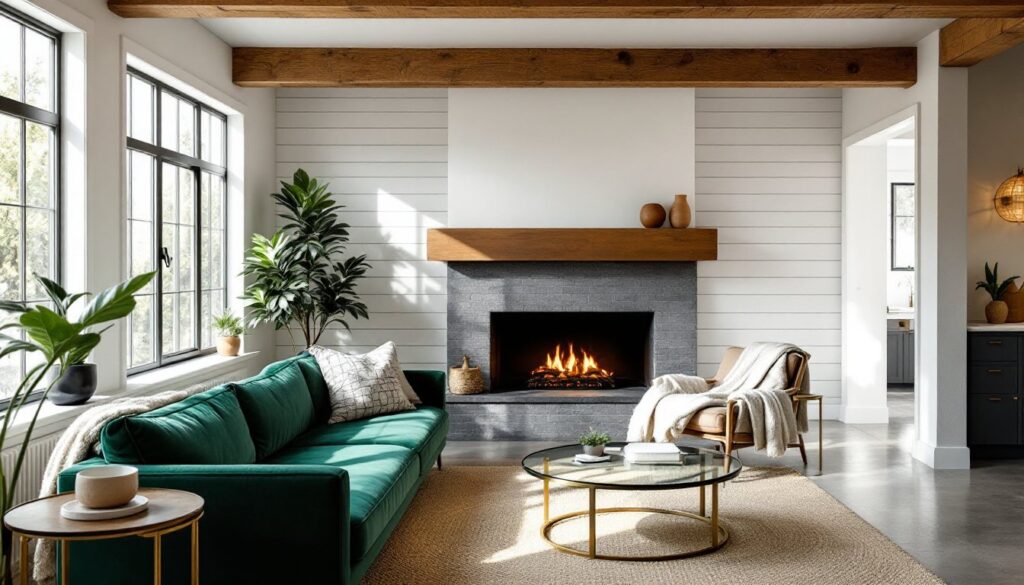
Texture in interior design is one of the most overlooked yet powerful tools a homeowner can use to transform a space. While most people focus on paint color and furniture selection, the tactile and visual qualities of materials, from rough-hewn wood to soft fabrics to smooth metal, are what actually make a room feel complete and inviting. A space without texture can feel flat and lifeless, regardless of how well the colors coordinate. This guide walks through how to layer textures deliberately, why they matter, and which combinations actually work together to create rooms with real depth and character.
Key Takeaways
- Texture in interior design transforms a space by adding visual interest and creating a tactile experience that makes rooms feel complete and intentionally designed rather than flat and lifeless.
- Layer contrasting textures strategically by combining rough with smooth, soft with hard, and matte with reflective surfaces to create visual balance and prevent monotonous spaces.
- Use a hierarchy of textures with one dominant element (usually walls or flooring), one complementary layer, and one accent piece to avoid visual overwhelm and maintain design cohesion.
- Start with base-layer textures like matte paint finishes, shiplap, or textured flooring, then add contrast through furnishings and accessories before incorporating permanent architectural elements.
- Proven texture combinations like wood + metal + concrete, linen + stone + natural wood, and velvet + glass + brass work together to create specific design aesthetics from modern industrial to luxury to coastal.
- Practical textured materials reduce maintenance by hiding imperfections, dust, and footprints better than smooth, polished surfaces, making them functional as well as beautiful.
Why Texture Matters in Interior Design
Texture does two critical jobs in a room: it adds visual interest and creates a tactile experience. When you walk into a space, your eye doesn’t just see color, it reads light, shadow, and dimension created by surface variation. A painted drywall wall feels sterile next to one clad in shiplap or wallpaper with relief. That depth keeps the eye engaged and makes a room feel thoughtfully designed rather than rushed.
Beyond sight, texture invites touch. Running your hand across a nubby linen sofa, a reclaimed wood beam, or a slate backsplash creates a sensory connection that flat, smooth surfaces can’t offer. This is why high-end interiors almost always layer multiple textures, it signals quality and intentionality. You don’t need expensive materials to achieve this: it’s about contrast and combination.
From a practical standpoint, texture also hides imperfections. A textured paint finish or fabric wallcovering masks wall damage far better than glossy paint. Textured flooring options like tile or stone camouflage footprints and dust better than polished concrete. Smart texture selection actually reduces ongoing maintenance complaints.
Types of Textures: Tactile and Visual
Tactile Textures
Tactile texture is what you feel when you physically touch a surface. These are the most immediate and memorable because they engage actual sensation. Rough textures include weathered wood, stone, concrete, and burlap, they add warmth and authenticity. Smooth textures include polished marble, glass, ceramics, and metal, they feel sleek and contemporary. Soft textures include wool, linen, cotton, and velvet, they add comfort and luxury.
When selecting tactile textures, consider both aesthetics and practicality. A rough shiplap accent wall looks great but demands regular dusting. Smooth tile is easy to clean but can feel cold. Soft fabrics invite touch but require more maintenance in high-traffic areas. The key is layering them strategically, pair a textured wall with smooth flooring, or soft furnishings with hard-surface accents.
Visual Textures
Visual texture refers to the appearance of texture without necessarily having a rough or raised surface. Wallpaper with embossed patterns, printed fabrics with geometric designs, and photographed surfaces create optical texture. Paint finishes like suede or matte base coats create visual interest without physical depth. Tile with dimensional glazing or subtle pattern variation reads as textured even when relatively smooth to the touch.
Visual texture in interior design is particularly useful when you want texture’s visual benefits without durability concerns. A wallcovering with a faux brick or stone pattern offers texture’s depth without the maintenance of actual brick. Printed upholstery on a sofa seat might feature a woven-look pattern that adds sophistication without the extra care real textiles require.
How to Incorporate Texture Into Your Space
Start with a base layer. This is typically your largest surface, walls and flooring. A textured paint finish (flat or matte over satin) immediately absorbs light and adds subtlety: glossy finishes bounce light and flatten appearance. If painting feels too subtle, consider shiplap, wainscoting, or simple board-and-batten, these add genuine depth and are DIY-friendly with basic carpentry skills and a miter saw for angled cuts.
Next, add contrast through furnishings. A leather sofa against a soft fabric accent wall, or a nubby upholstered chair next to a glass coffee table creates visual balance. Don’t match textures, clash them intentionally. Rough and smooth, soft and hard, matte and reflective. This contrast is what keeps a room from feeling monotonous.
Incorporate textured accessories strategically. A jute area rug, woven throw blankets, macramé wall hangings, and ceramic pottery all layer texture without major investment or commitment. These pieces are easy to swap out if you want to refresh the look. Textured artwork, whether a woven tapestry, sculptural piece, or canvas with physical paint texture, adds personality without taking up floor space.
Finally, use textured architectural elements. Exposed wood beams (real or faux), stone fireplace surrounds, brick accent walls, and tiled niches all create permanent texture that anchors the room. If structural changes aren’t feasible, shiplap accents around windows or above baseboards deliver similar visual payoff with simpler installation.
Common Texture Combinations That Work
Wood + Metal + Concrete is the modern industrial staple. Exposed wooden beams, steel fixtures, and polished concrete floors read as intentional and contemporary. This combo works in kitchens, lofts, and contemporary living spaces.
Linen + Stone + Natural Wood creates a coastal or farmhouse aesthetic. Soft linen upholstery, slate or travertine accents, and reclaimed wood elements feel organic and welcoming. Pair with neutral paint and natural light for best effect.
Velvet + Glass + Brass is the luxury approach. Jewel-toned velvet seating, mirrored or glass tabletops, and brass or gold hardware create visual richness without clutter. This combination works in bedrooms, entryways, and formal living rooms.
Brick + Plaster + Wool leans rustic or eclectic. Exposed or faux brick walls, smooth plaster or drywall ceilings, and wool rugs balance rough and refined. Great for creative studios, dens, or bohemian spaces.
Concrete + Ceramic Tile + Soft Textiles is practical and stylish. Polished concrete floors, handmade ceramic wall tile, and abundant soft furnishings create warmth in an otherwise industrial setting. Common in bathrooms and kitchens.
The unwritten rule: don’t use more than three dominant textures in one space, or it becomes chaotic. One should dominate (usually the largest surface), one should complement, and one should accent. This creates hierarchy and prevents visual overwhelm.
Conclusion
Texture in interior design isn’t an afterthought, it’s the framework that makes a room feel intentional and complete. By understanding tactile versus visual texture, deliberately layering contrasting materials, and following proven combinations, homeowners can create spaces with genuine depth and character. Start small with paint finishes and textured accessories, then gradually introduce larger elements like shiplap or stone accents. The best rooms don’t just look good: they invite touch and reward closer inspection.