
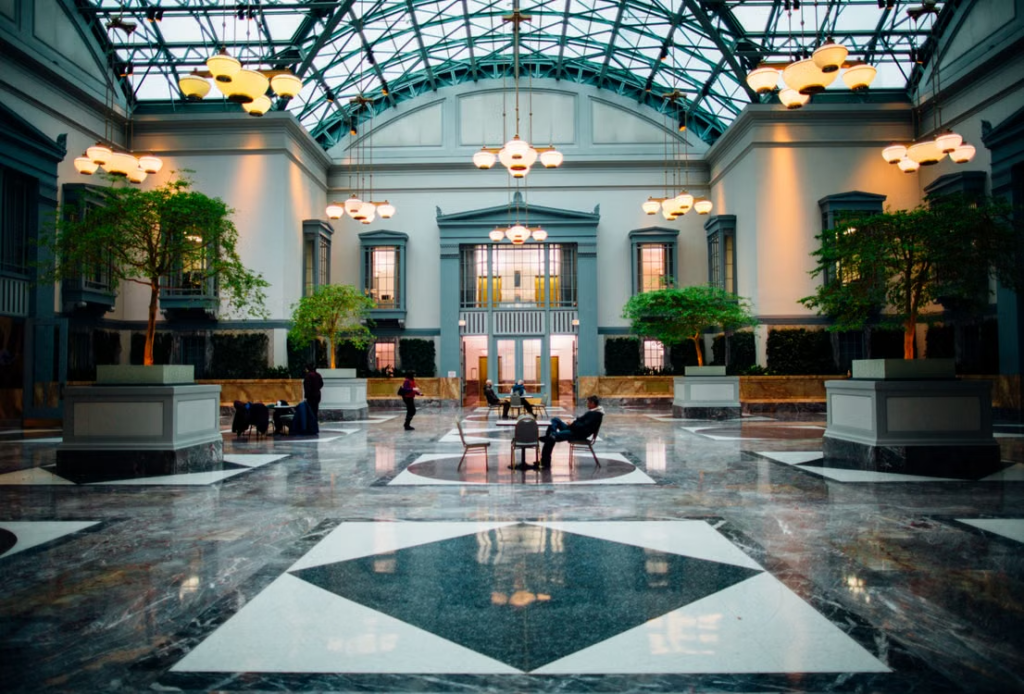
Guests often perceive a commercial property based on what they see inside it. Faded walls and visible scuff marks can make a hotel look old and suggest the building is poorly maintained. On the other hand, fresh surfaces can make the surroundings feel brighter.
This impression matters more in hotels, where guests can form opinions as soon as they enter the lobby. They especially notice the reception areas, and although they don’t have to consciously study the walls, the worn finishes can still leave a negative impression on them.
Repainting can provide them an opportunity to refresh their spaces without needing a complete renovation. New colours can modernize an outdated interior while reinforcing the hotel identity. They can create a welcoming atmosphere while various surfaces are protected from the demands of commercial use.
However, a successful project isn’t just about applying another coat over an existing finish. Instead, the property managers should hire a professional who will thoroughly prep the surfaces and apply a durable coat that can improve the aesthetics of the building. Click here to learn more about the experts who can work with minimal distractions while using high-quality products. See more info about how to reach out to them here:
Elite Trade Painting Calgary
7725 56 St SE #115 Calgary, AB T2C 5R5
(403) 265-2065
https://elitetradepainting.com/calgary/
Why Do Commercial Interiors Require Specialised Planning?
Public spaces generally receive more traffic compared to residential homes. Hotel corridors are often used by many guests each day, and commercial facilities like restaurants are often dealing with food stains, but they’re required to be spotless. Retail walls are scraped by merchandise, and these conditions require finishes that can withstand repeated contact without losing their lustre.
Hotels have an especially complex environment because they have a 24/7 operation. Any form of renovation shouldn’t disturb sleeping guests, and this is why it’s important to hire a painter who can work efficiently. These experts generally close off small sections temporarily so their work won’t disrupt guests and staff.
Why Repaint Hotel Walls in the First Place?
The colour of an establishment can help create a desired mood throughout a hotel, and one can find out more about this here: https://www.scientificamerican.com/article/building-around-the-mind/. Warm neutrals can make guests comfortable, while contemporary white colours can make it feel more sophisticated. Rich accent shades can add character, especially to lounge areas, and they can also create a focal point.
Every shade should complement the hotel’s existing architectural details. It should also be evaluated under warm lamps and natural daylight because colours can look different under various lighting conditions.
It’s important to maintain a recognisable palette that connects the different areas of the hotel. The brand colours don’t have to cover every surface, but they can appear as decorative features to create a more colour-coordinated look.
Choosing Between Paint and Wall Coverings
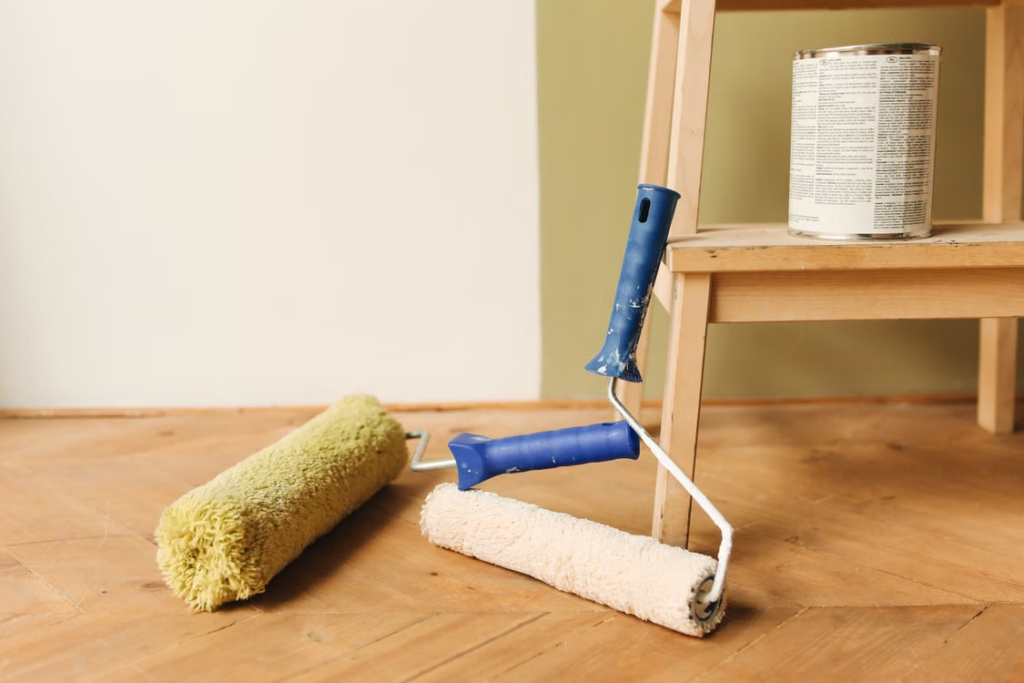
Painting is still one of the most practical options in commercial interiors because it offers flexibility. It’s also long-lasting, and the walls can be updated in almost any colour that the owners choose. Future touch-ups are straightforward, and there are a lot of finishes to choose from.
Flat finishes can be more forgiving of imperfections, while the owners can choose the eggshell sheen that’s great for busier areas of the hotel. Doors should also be able to handle a more washable coating, and this is the same thing with trims so the hotel can maintain its polished appearance.
Wall coverings can also be another option because they can introduce patterned textures in areas like the hallways. They’re also used behind reception desks, where a feature wall can become a distinctive design that makes the facility more memorable.
Some owners might choose wall vinyl, which is useful in areas that experience frequent contact. Fabric-backed vinyl can conceal minor imperfections, making it suitable for corridors. It’s also highly durable, although the final choice will still depend on the hotel owner’s preferences.
Proper Preparation Makes the Finish Last
Know that choosing the right colour is just the start, and excellent results generally start with a thorough assessment. Call the expert painters so they can check if the walls have cracks and if there’s failed caulking. It’s important to repair the loose materials first so the paint won’t deteriorate prematurely.
If there’s existing wallpaper, it should also be examined to determine if it’s still firmly attached to the wall. Loose sections of the wall cover should be stripped, and the residue of the wall adhesive should be removed before the appropriate primer is applied.
Hotels should also determine the source of the moisture marks before deciding to redecorate. See posts about dampness and mould in this link. Leaking pipes can ruin a newly finished surface. Merely painting over a stain won’t address the underlying problem, which can cause the damage to return.
How to Choose Coatings for Busy Areas?

Not all areas face the same conditions, and guest suites may need a pleasant finish that can support a restful atmosphere. Hallways may require paint that’s more resistant to scuffs and frequent cleaning.
Low-VOC options (https://www.epa.gov/iaq-schools/controlling-pollutants-and-sources-indoor-air-quality-design-tools-schools) can reduce strong smells while work is ongoing inside an occupied building. There are also quick-drying formulations that can shorten the time before an area returns to service, and these qualities are generally useful. However, they should be balanced with washability, so they’re easily maintained. Professional contractors can generally recommend products that are based on a facility’s expected use.
How to Minimise Disruption at Work?
The experts can arrange the project around the operational hours of the hotel and make sure that the phased schedule doesn’t disturb the guests inside. Clear communication can make these projects more manageable, and hotel staff should know which corridors are temporarily unavailable. This way, guests can be directed away from active work zones.
Completing these jobs in stages allows many operations to continue because one group of rooms can be prepared while another dries. This prevents a large portion of the property from being closed simultaneously, and the contractors should also control dust and clean each section before they reopen it.