
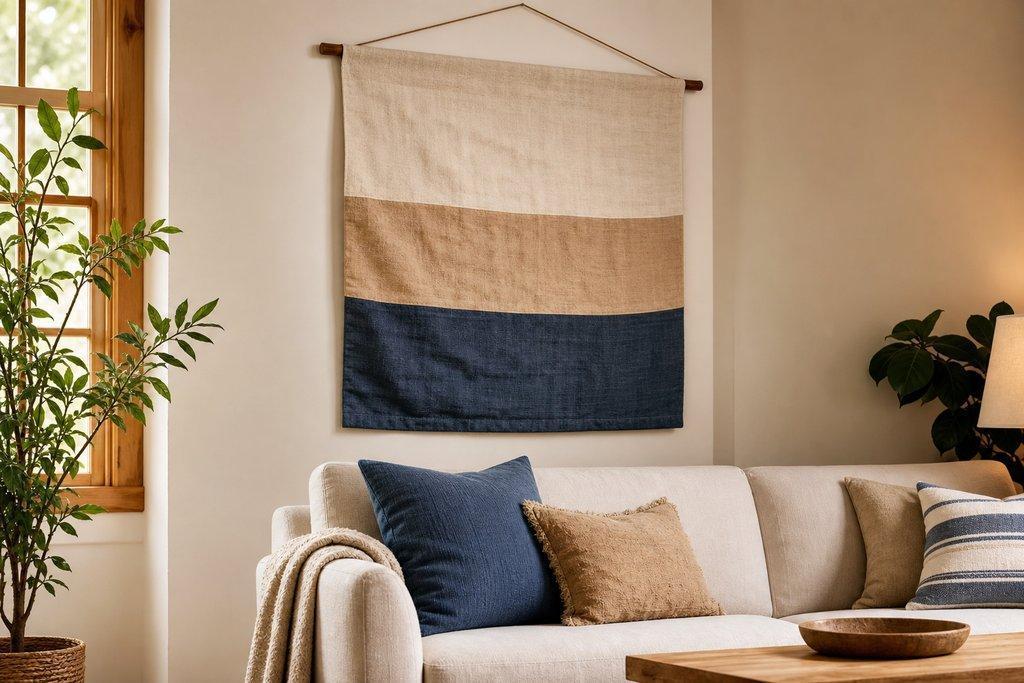
Flags bring some extra color, personality and focus to a room, often the only redecoration necessary to make an area stand out. However, like other types of wall decor, a flag looks its best when it appears to belong in its display space.
Keep these tips in mind when planning a flag display in the home, garage or office:
Match the Flag to the Room and Its Purpose
Consider the room
Your garage or workshop has a different style from your home office. If your working space has exposed wood, metal shelving and lots of tools, it may be more compatible with a weathered print or racing flag. A finished room in the house may work better with a print featuring a more limited color palette. Match the flag’s look to the room’s furniture, art and decor – if you want the source, it’s https://www.britannica.com/art.
Choose a purpose
Are you trying to make the wall a bright focal point? Displaying your hobbies? Cover a wide wall above the workbench? Emphasize a theme (athletic, patriotic, vintage, humorous)? Think about the purpose of your display, and choose the size and placement accordingly; the practical side of Cool Flag Designs by Ultimate Flags Inc starts there. Larger flags with intricate designs will look better as a centerpiece. You can use a smaller flag as an accent along with prints, signs, shelves or memorabilia.
Select Mounting Hardware and Check Clearance
Think beyond the pushpin display
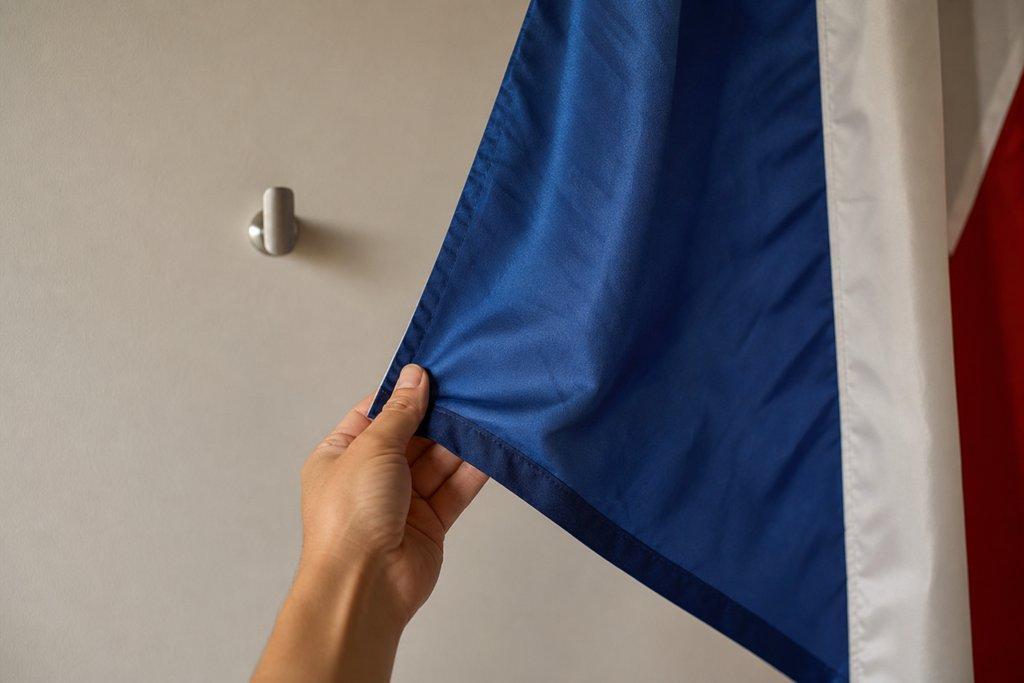
How the flag hangs changes the overall display. Wooden dowels and poles mounted on the wall provide form and structure, while frames provide a more polished look (especially on smaller flags). You also can DIY your own frame using trim boards, leftover dowels or conduit. If you need to take the flag down often, grommets (usually sewn or attached at each corner) allow you to simply hang it on hooks or knobs.
For utility areas where you may need to dust off the wall or rearrange items, this may be the best option. A more finished display works well on a flag stretched like canvas; you’ll get more rigid lines with no concern of it flapping in the breeze, but it won’t be as easy to remove for rearranging.
Account for space and accessibility
If your flag hangs near a swinging door, over a garage door track or near handles, pegboards or ceiling fan blades, ensure it has plenty of clearance so it doesn’t wear on them.
Balance the Flag with the Available Wall Space
Balance your flag size with the scale of the space
A smaller flag above a long workbench can be lost in the expanse of space. On the other hand, an over-large flag will swamp a compact area. Measure the area, including any brackets or rods attached to your flag, to ensure it fits.
Find the right space
On large walls, center your flag over the main fixture in the room, which is the tool chest, sofa or desk. In busy spaces, a full-wall display may not be the best solution. With exposed shelves, a pegboard, cords and other busy elements, smaller prints displayed on cabinet doors or on narrow shelves will be more effective.
Test drive the space. Sit at the desk, park your car in the garage, etc., to check your sightline. What looked well-balanced to you from floor-level might be partially hidden from certain vantage points. You don’t want an open shelf or cabinet to obstruct your design.
Consider lighting: soft, indirect light is best for showcasing colors and minimizing glare on a glass frame. Keep picture lights and task lamps angled down and away.
If you plan to decorate your workshop with a fabric flag, make sure it’s kept out of reach of heat sources, sparks, chemical fumes, solvents, dust, and grease. Also choose a mounting solution that is easy to remove or wash so you can give it a deep clean each season.
Flags that will be visible from both sides, such as those hung near an open doorway, or in common areas of your workspace, should be double sided (or mounted in a way that makes them visible from either side), depending on the design and to ensure the design and writing are viewable in the intended manner, not backwards!
Choose Fabric, Protect Color, and Test Placement
Decide on fabric
Polyester is the most common material because of its bright color and lightweight nature. While saturated colors and the smooth finish can make a bold statement in an indoor setting, a heavier fabric could add texture and substance, depending on your display. Take weight into consideration when planning how to mount the flag.
Avoid hanging in direct sunlight
Colors and detailed prints will fade faster when constantly in the path of direct sunlight. Choose a location with indirect light, or rotate displays periodically.
Check wall space first
Before making holes for your brackets, knobs or hardware, tape the flag in place with painter’s tape or use a paper template to see how it looks. Adjust the positioning, then drill.