
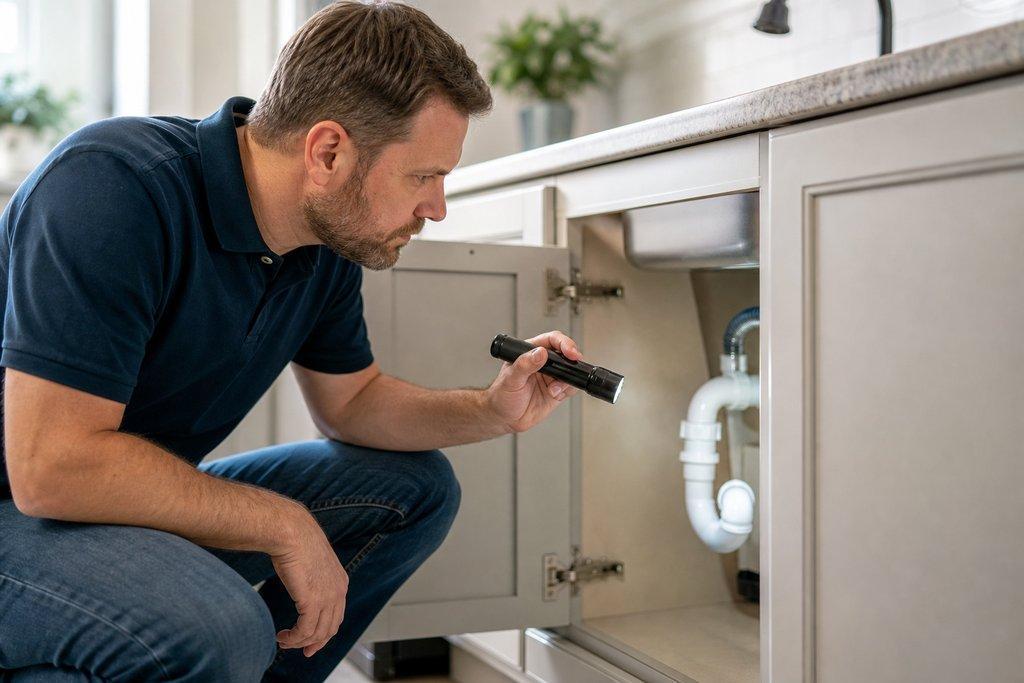
Residential plumbing fixtures
Pennsylvania homeowners often don’t realize they have a significant plumbing problem until water has damaged a cabinet, wall, fixture, or flooring. This is because many plumbing problems develop quietly at first. Understanding common signs of serious trouble can help you avoid some costly repairs.
When Small Signs Point to Bigger Trouble
Not all plumbing problems represent major, expensive repair issues. Minor problems may be limited to one fixture and result from a worn washer or a loose handle. More troublesome drain clogs can often be cleared in a matter of minutes.
However, it’s crucial to identify the more significant problems that can impact your whole plumbing system or the structural integrity of your pipes and fixtures.
- Sudden pressure drops in multiple fixtures
- Backups in drains from different rooms
- Odd noises like gurgling toilets when draining elsewhere
- Small, damp spots under sinks that could indicate slow leaks
- Rising water bills for no apparent reason
- Foul odors that don’t leave drains
When several drains slow down simultaneously, for example, this usually indicates a bigger blockage somewhere down the line. Multiple drains are also usually a clue that other issues are involved.
Why a Slow Leak Still Matters
Leaky valves and corroded fittings may seem like minor problems if they drip slowly and are hidden inside a vanity or behind an appliance. In reality, they can cause rotting wood, discolored drywall, and moldy conditions inside your home.
Check all shutoff valves and water supply lines that are easily accessible. Take a peek under sinks and behind large appliances to make sure no dampness or musty smells indicate a problem. If you notice dampness, wipe it away then run the fixture. If it re-wetens, there’s an active leak that requires a shutoff and repair.
If there’s no valve for that fixture or it doesn’t stop the leak, you’ll need the main shutoff to stop the water flow to your home.
What a Proper Repair Requires
Leak repairs require the same attention and skill as any other kind of repair. You can save yourself from a repeat call by ensuring that the repair is done correctly.
It’s important that your practitioner have access to test and diagnose, not just repair. They should check the valves to make sure they work, look for corroded parts, ensure the new parts match your pipes, and allow enough cure time. Also, they should be able to have enough room to work without damaging any of the surrounding structures when servicing the trap or connections; the 24/7 local service listing for 1-Tom-Plumber is at https://www.1tomplumber.com/johnstown-pa/.
Freezing pipes can pose a threat to your home before it gets cold indoors. Pipes located in exterior walls, crawl spaces, garages and unheated basements may all be affected.
Signs of frozen pipes include decreased water flow at an individual faucet, frost build up on exposed pipes, bulging supply lines or unexplained moisture after a sudden dip in temperature.
When hard freezes are in the forecast, open cabinet doors that cover pipes on exterior walls to allow them access to warmer air. Disconnect and drain hoses attached to faucets outside. Maintain low heat in unheated areas of your home.
It’s important to remember that pipes that freeze don’t always break immediately. Splits can be plugged with ice until the pipes thaw.
Do not use an open flame to thaw pipes, this can result in hazardous situations. If you suspect freezing pipes, call a professional and if possible turn off the water main to your home.
Why Water Heaters Need Extra Care
While many homeowners call a plumber for water heater maintenance, they may not understand why their plumber is insistent about needing full access and adequate work space around the water heater for service.
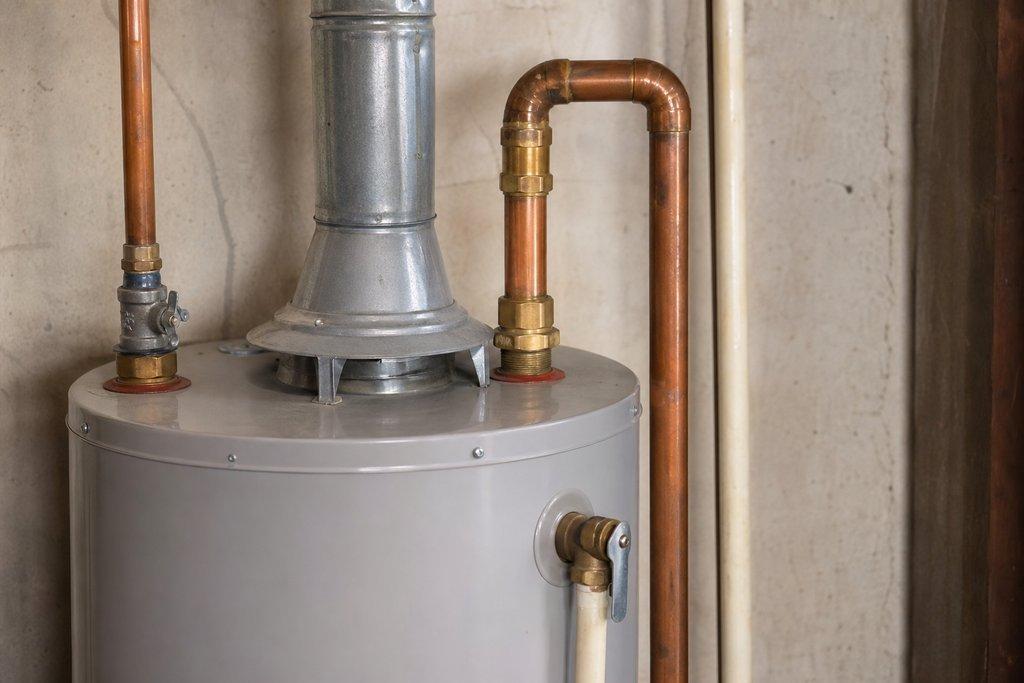
Home water heater
Water heaters are a little different from other plumbing concerns because they use water and high heat (look at https://cdc.gov/burn-prevention if you want numbers). The water in the tank can be under a lot of pressure too. Water heaters also involve electrical or fuel concerns. When you hire a plumber, you want a skilled practitioner who is careful to keep the water heater safe, as well as to protect the integrity of your water system.
If your water is turning any rusty color, if you see puddles around the base, if the temperature is off, or you hear odd sounds, call a plumber to inspect the situation.
Before the Plumber Arrives
If you call for service, make a list of which fixtures are affected and when you noticed problems. Also, note any details of where water appears or where sounds or smells are strongest.
Turn off the water to the home or the affected area if the leak or pressure problem is still ongoing. For backups or leaks, turn off the water at that fixture or to the house. Remove or move items so the plumber can access the problem fixture or area.