
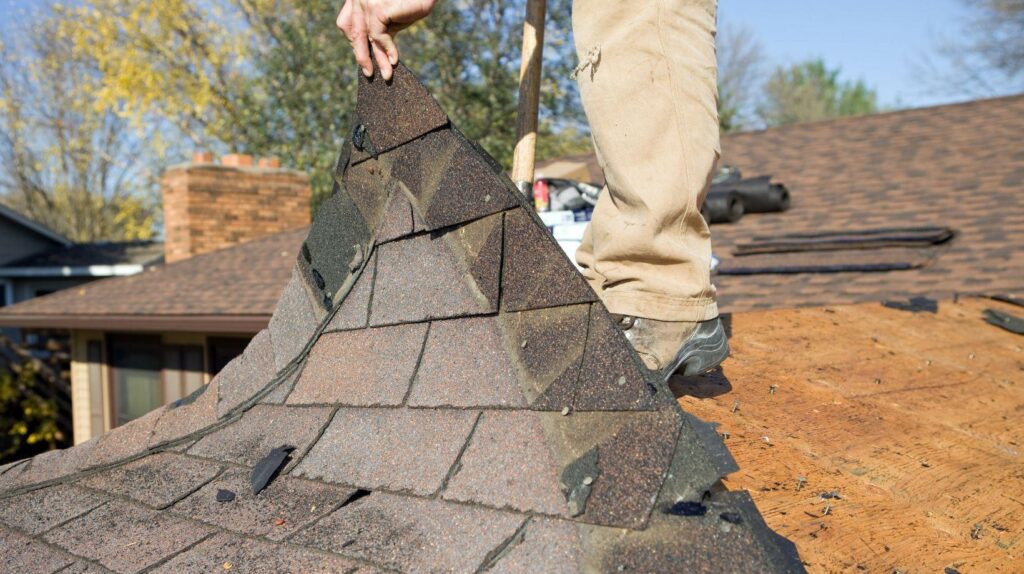
One of the most common questions homeowners ask before replacing their roof is whether they can stay home while the work is being completed. The answer is usually yes, but there are several important factors to consider before deciding.
A roof replacement is a major home improvement project involving noise, vibrations, crews working overhead, and heavy materials. Knowing what to expect can help you prepare your family, protect your belongings, and make the installation process as smooth as possible.
Is It Safe to Stay Home?
In most cases, homeowners can safely remain inside the home during a roof replacement. Professional roofing contractors follow safety procedures to protect both their crews and your property.
However, because workers will be removing old roofing materials and installing a new roofing system directly above your living space, you should expect a very noisy environment throughout the day.
Expect Plenty of Noise
Roof replacements involve:
These activities create constant noise that may make it difficult to work from home, attend virtual meetings, or relax.
If you work remotely, you may want to spend the day at a coffee shop, office, or another quiet location.
Vibrations Inside Your Home
As roofing crews remove and install materials, you’ll likely notice vibrations throughout the house.
You may hear:
These vibrations are normal and typically do not indicate structural problems.
Protect Fragile Items
The vibrations caused during installation can occasionally shake loose wall decorations or shelves.
Before your roofing project begins, consider removing or securing:
Taking a few minutes to protect valuables can prevent accidental damage.
Keep Children and Pets Comfortable
Young children and pets are often the most affected by roof replacement noise.
Dogs may become anxious because of constant activity overhead, while young children may have difficulty napping.
Many homeowners choose to:
These simple steps can reduce stress during installation.
Stay Clear of Work Areas
Roofing crews work around the entire home throughout the project.
For your safety, avoid:
Professional contractors establish safe work zones to protect everyone on the property.
Prepare Your Vehicles
Roofing debris occasionally falls around the perimeter of the home during tear-off.
Move vehicles into the driveway away from active work areas or park on the street if recommended by your contractor.
This helps protect vehicles from falling debris or roofing materials.
Communication Is Important
Before work begins, ask your roofing contractor:
Knowing the schedule helps homeowners prepare for the day.
When Staying Somewhere Else Makes Sense
Although most homeowners remain at home, you may consider leaving temporarily if:
Every home and roofing project is different, so discuss expectations with your contractor before installation begins.
Preparing for a Roof Replacement
The more prepared you are before installation day, the smoother the project will go. Understanding the timeline, protecting valuables, and communicating with your roofing contractor can help eliminate surprises.
If you’re planning for an upcoming roofing project, get the full picture about what happens during a roof replacement and how to prepare your home before the crew arrives.
Frequently Asked Questions
How long does a roof replacement usually take?
Most residential roof replacements are completed in one to three days, depending on the size of the roof, weather conditions, and any repairs that may be needed.
Will I lose electricity during a roof replacement?
Usually no. Most roofing projects do not require electrical service to be shut off, although special situations may vary.
Should I cover items in my attic?
Yes. Dust and small debris can occasionally fall into the attic during roof removal. Covering stored belongings with plastic sheets is a good precaution.
Can I leave my car in the driveway?
Ask your roofing contractor where materials and dumpsters will be located. Moving vehicles away from active work areas is often recommended.
Final Thoughts
Most homeowners can safely stay home during a roof replacement, but understanding what to expect is essential. Noise, vibrations, and increased activity around your property are all normal parts of the installation process. By preparing your home, protecting valuables, and maintaining good communication with your roofing contractor, you can help ensure a smooth and successful roofing project from start to finish.