
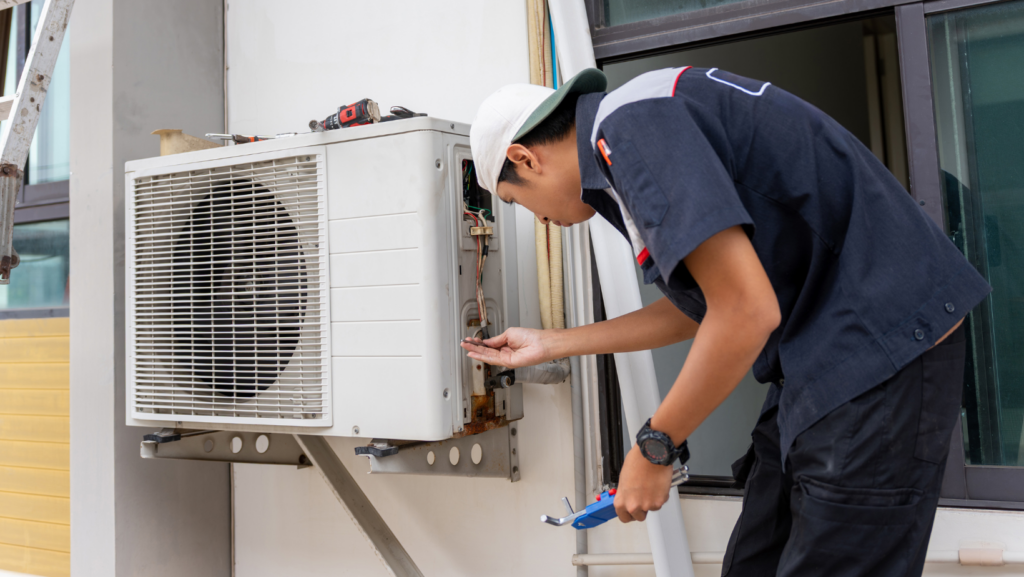
Reliable heating and cooling depend on more than replacing parts when something breaks. HVAC systems are interconnected networks of electrical controls, refrigerant flow, airflow pathways, and mechanical components that must operate in balance. When comfort drops, energy bills rise, or unusual noises appear, the real issue is often hidden beneath surface symptoms. Diagnostic testing provides contractors with a clear, measurable view of what is happening inside the system before any repair decisions are made. By using instruments to measure pressures, temperatures, voltages, airflow, and system timing, technicians can pinpoint the root cause of performance issues and prevent recurring failures that waste money and strain equipment.
What Diagnostics Reveal That Visual Checks Miss
A quick glance at an outdoor unit or a thermostat setting can’t uncover most performance problems. Many faults develop in subtle ways—slight voltage drops, drifting sensors, minor refrigerant restrictions, or gradual airflow decline from dust buildup inside coils. Diagnostic testing turns those “invisible” issues into measurable data. Contractors use temperature readings across coils to evaluate heat transfer, static pressure checks to assess duct stress, and electrical measurements to verify that motors and capacitors are operating within safe ranges. This matters because symptoms can be misleading. A house that won't cool might not need refrigerant; it could be a weak blower, a clogged filter, a failing capacitor, or a control board sending inconsistent signals. Diagnostics prevent guesswork, ensuring the repair is grounded in evidence rather than assumptions, and help avoid unnecessary part swapping that can introduce new problems into the system.
Reducing Repeat Breakdowns Through Data-Driven Fixes
Repeat failures often occur when the first repair addresses the symptom rather than the cause. Diagnostic testing helps contractors identify patterns and underlying triggers, especially when a system has a history of intermittent problems. For example, a compressor that short-cycles may be responding to high head pressure from a dirty condenser, a miscalibrated thermostat, restricted airflow, or a failing contactor—each requiring a different solution. When technicians rely on verified readings, they can correct the root cause of the failure rather than merely restore temporary operation. Homeowners seeking HVAC repair support in Peoria often benefit most when technicians focus on measured performance—such as superheat/subcooling, amp draw, and airflow—because these readings confirm whether the system is truly stable after the repair, not merely running again.
Protecting Equipment by Catching Stress Early
HVAC components rarely fail without warning; they fail after operating under stress for too long. Diagnostic testing exposes stress before it becomes catastrophic. High amp draw can signal a motor working too hard due to friction, blockage, or failing bearings. Abnormal temperature splits can indicate poor heat exchange, low airflow, or refrigerant issues that will eventually damage the compressor. Excessive static pressure can reveal duct restrictions that strain blowers and reduce comfort throughout the home. When these problems are caught early, repairs are usually smaller, cheaper, and less disruptive. Instead of replacing major components, contractors can clean coils, correct airflow, adjust refrigerant charge, replace a weak capacitor, or tighten electrical connections. Those targeted corrections extend equipment life by keeping the system within safe operating limits, especially during peak seasons when units run for extended cycles.
Improving Energy Efficiency Without Guesswork
High utility bills are often blamed on “an old unit,” but many energy losses come from correctable issues. Diagnostic testing helps contractors identify where efficiency is being lost and how to restore it. If a system is undercharged or overcharged, it may still cool, but it will do so inefficiently by running longer and drawing more power. If airflow is restricted, the system can freeze the coils, reduce heat transfer, and consume extra electricity while delivering reduced comfort. If sensors drift, the thermostat may trigger cycles too frequently or for too short a duration. Diagnostics link energy use to measurable conditions, enabling contractors to identify and address the root causes of waste. After testing and adjustments, contractors can confirm improvements by rechecking temperature splits, pressure readings, and runtime behavior, making efficiency gains verifiable rather than theoretical.
Supporting Safer Heating Performance and Indoor Comfort
Diagnostic testing is equally important for heating, where safety risks can be more severe. Contractors test ignition performance, gas pressure, flame stability, and heat exchanger integrity to ensure the system heats reliably without dangerous byproducts. Carbon monoxide concerns, for example, can’t be resolved through a quick look; testing and inspection protocols are essential. On the comfort side, diagnostics also help solve uneven heating and cooling that frustrates homeowners. Temperature readings across rooms, airflow measurements at registers, and duct pressure evaluations reveal whether comfort issues are tied to zoning, duct leakage, insulation gaps, or equipment limitations. When comfort improvements are based on real measurements, the results tend to last because the underlying imbalance is corrected rather than masked with constant thermostat changes.
Building Trust Through Clear Evidence and Explanation
One of the most practical benefits of diagnostic testing is communication. Data allows contractors to explain problems clearly, justify repair recommendations, and set realistic expectations. Instead of telling a homeowner that a part “seems bad,” technicians can show that the capacitor is out of range, the motor is drawing abnormal current, or the refrigerant pressures don’t match operating conditions. This transparency reduces confusion and helps homeowners feel confident that repairs are necessary and correctly targeted. It also supports better decision-making. If testing reveals multiple issues—such as failed electrical components and restricted airflow—homeowners can prioritize repairs that protect the system first and plan upgrades later. Clear evidence turns HVAC service into a collaborative process where the customer understands what’s happening and why the solution makes sense.
Diagnostics Turn Service Into Precision
Diagnostic testing is the difference between restoring temporary operation and delivering reliable, efficient performance. HVAC systems are too complex for trial-and-error repairs, especially when small imbalances can create major damage over time. By measuring pressures, temperatures, airflow, and electrical behavior, contractors identify the root cause of comfort problems and repair them accurately. This approach reduces repeat failures, protects expensive components, improves energy efficiency, and supports safer heating and cooling. It also strengthens customer confidence by making repair decisions transparent and evidence-based. In the long run, diagnostic testing saves money, reduces downtime, and keeps HVAC systems operating smoothly under real-world conditions where reliability matters every day.