
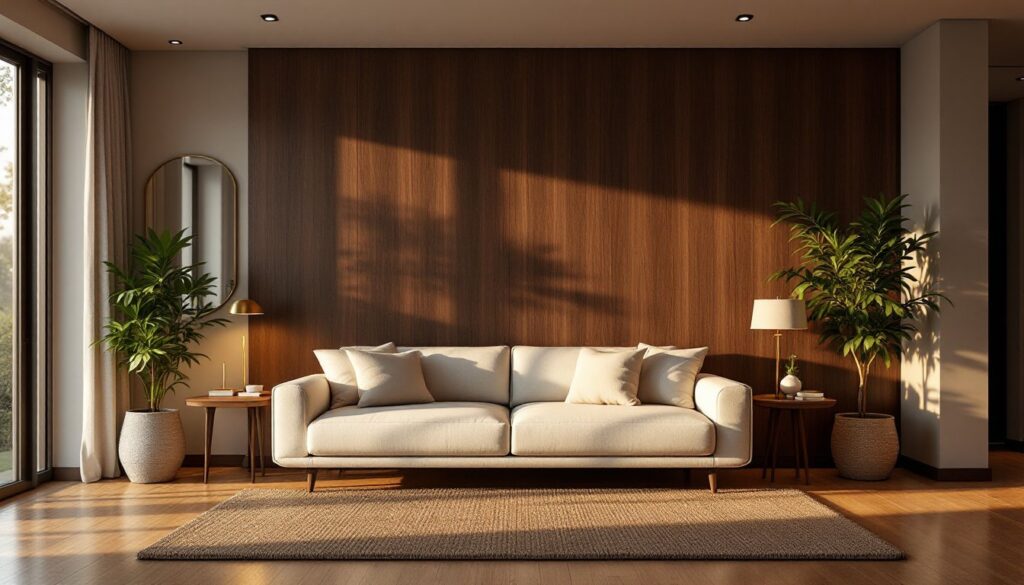
Dark wood interior design has become a go-to choice for homeowners and designers seeking depth, warmth, and timeless sophistication. Unlike trends that fade in a few seasons, rich wood tones ground a space and create an atmosphere that feels both elegant and lived-in. Whether planning a full room overhaul or refreshing key pieces, understanding how to work with dark wood, from selecting the right species and finishes to lighting and color pairing, makes the difference between a cohesive, inviting home and one that feels heavy or dated. This guide walks through practical strategies for incorporating dark wood into modern interiors in ways that work.
Key Takeaways
- Dark wood interior design creates visual depth and timeless sophistication in modern spaces when paired thoughtfully with light walls, reflective surfaces, and contemporary materials like concrete and metal.
- Strategic lighting is critical for dark wood projects—combine ambient, task, and accent lighting with warm white bulbs (2700K) and dimmer switches to prevent spaces from feeling cave-like or gloomy.
- Choose dark wood finishes and species based on undertones: walnut offers cool chocolate tones ideal for contemporary design, dark cherry brings warmth and ages beautifully, and ebonized wood delivers dramatic, nearly black effects.
- Balance dark wood with light or neutral walls, minimal competing dark colors, and mixed textures including soft upholstery and woven textiles to avoid a heavy or monotonous atmosphere.
- Apply dark wood strategically by room function—bedrooms and entryways thrive with dark wood accents, while kitchens and bathrooms require properly sealed finishes for moisture resistance and durability.
- Start small with a dark wood accent wall or furniture piece rather than committing to full refinishes, then assess how lighting and color shift before expanding the design.
Why Dark Wood Works in Modern Interiors
Dark wood is no longer confined to traditional or period homes. Contemporary design has embraced it for good reason: it delivers visual weight and anchor points that lighter palettes struggle to achieve. A dark wood accent wall or statement furniture piece immediately establishes character and sophistication without feeling dated when paired thoughtfully with modern materials like concrete, metal, or glass.
Dark wood also solves practical problems. It hides dust, scratches, and daily wear better than light finishes, making it ideal for high-traffic areas like kitchens and family rooms. From a design perspective, darker tones recede visually, which means a dark wood feature can make rooms feel more expansive by providing contrast against lighter walls and furnishings. The warmth in species like walnut and dark cherry also adds psychological comfort, something cooler, minimalist palettes can’t quite match.
Choosing the Right Dark Wood Finishes and Tones
Not all dark wood is created equal. The finish, matte, satin, or glossy, and the underlying wood species each affect how dark wood reads in a space. A matte finish feels more contemporary and hides imperfections, while a satin or glossy finish adds reflectivity and can make small rooms feel slightly larger. Glossy finishes also amplify the wood’s natural grain, which works beautifully for statement pieces like a dining table.
Consider the undertones of the wood itself. Walnut has cool, chocolate undertones: dark cherry leans warmer with red-brown hues: and ebonized or stained oak takes on nearly black tones depending on the stain formula. These undertones matter when coordinating with paint colors, flooring, and existing pieces. Start by identifying whether your space naturally pulls warm or cool light, then select a wood tone that complements, not fights, that direction.
Popular Dark Wood Species and Their Characteristics
Walnut is prized for its straight grain and deep chocolate-brown color with cool undertones. It’s medium in hardness (Janka hardness rating around 1010), making it workable for DIY finishing but susceptible to denting in high-impact zones. Dark cherry brings warmth and a subtle figuring to grain patterns: it’s slightly harder than walnut and ages beautifully, deepening over time with light exposure. Ebonized wood (typically oak or ash stained nearly black) offers the darkest, most dramatic effect and pairs well with industrial or minimalist design. Wenge is an imported African hardwood with very dark, almost black color and tight grain: it’s expensive but extremely durable. For budget-conscious projects, stained oak or engineered dark wood products deliver similar aesthetics at a fraction of the cost.
When choosing, balance aesthetics with budget and practical maintenance. Solid wood ages and patinas beautifully but requires care: engineered veneers and stains offer consistency and lower cost but less authenticity over decades.
Lighting Strategies for Dark Wood Spaces
Lighting is where dark wood projects succeed or stumble. Darker woods absorb light, so under-lit spaces feel cave-like and gloomy. The fix isn’t just adding more fixtures, it’s strategic layering. Combine ambient ceiling or recessed lights with task lighting (reading lamps, under-cabinet strips) and accent lighting (wall sconces, pendant lights) to create depth and avoid a flat, dim look.
Color temperature matters too. Warm white bulbs (2700K, measured in Kelvin) complement dark wood’s warmth and feel inviting, while cooler tones (4000K and above) can clash and feel clinical. Install dimmer switches wherever possible: they let homeowners adjust mood and energy use throughout the day. For rooms with dark wood flooring and cabinetry, consider adding reflective surfaces like mirrors, light-colored upholstery, or glossy backsplashes to bounce light around and prevent the space from feeling sunken.
Balancing Dark Wood With Color and Texture
Pairing dark wood with the right colors and textures prevents a space from feeling heavy or monotonous. Light or neutral walls (creams, soft grays, whites) provide breathing room and let dark wood stand out as intended. Avoid competing dark colors, two competing dark tones muddying the same space create visual confusion. Instead, use dark wood as the anchor and build around it.
Texture is equally important. Mix matte dark wood finishes with soft upholstery, woven textiles, and matte paint to avoid an overwhelming sheen. Introduce one or two accent colors through textiles, art, or plants, deep jewel tones like emerald and sapphire pair beautifully with walnut: warm neutrals like taupe and cream work with cherry-toned woods. The goal is contrast without clash: dark wood needs visual rest in the form of lighter, softer elements around it.
Dark Wood Design Across Different Rooms
Dark wood application varies by room function and light availability. A north-facing bedroom with limited natural light needs brighter walls and more strategic task lighting around the dark wood bed frame to avoid a claustrophobic feel. A south-facing dining room with abundant light can handle darker wood walls or cabinetry without compromising openness.
Living Areas and Bedrooms
In living rooms, dark wood works best as flooring, a statement wall, or accent furniture (bookcases, console tables) paired with lighter seating and walls. Bedrooms benefit from dark wood headboards or accent walls since lower light and intimacy are desirable, just ensure bedside lamps and ceiling lights compensate. In both spaces, avoid pairing dark wood with dark upholstery: let furniture and wood establish their own visual zones. Kitchens and bathrooms, where moisture and durability matter, should use properly sealed dark wood finishes (polyurethane or conversion varnish) or water-resistant engineered products. Dark wood lower cabinetry with light uppers and backsplashes prevents kitchens from feeling closed-in while maintaining the sophistication dark wood brings.
Hallways and entryways are ideal for dark wood accents, it signals welcome and sets tone without needing the daily brightness other rooms require. A dark wood front door, built-in shelving, or stained trim creates a strong first impression.
Bringing It All Together
Dark wood interior design works when lighting, color, texture, and room function align. It’s not about filling a space with dark tones: it’s about using them intentionally to create contrast, depth, and sophistication. Start small if unsure, a dark wood accent wall or side table is lower commitment than refinishing floors, and assess how light, color, and mood shift as the space develops. With thoughtful planning and honest assessment of your room’s natural light, dark wood becomes a timeless foundation rather than a risky trend.