
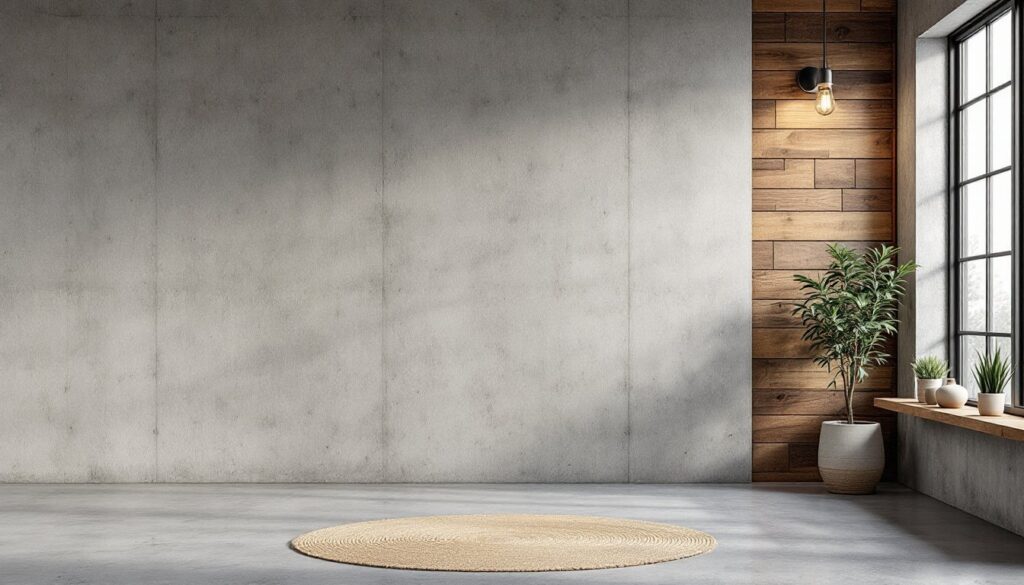
Eco brutalism interior design strips away pretense and celebrates raw, honest materials in their most authentic form. Unlike the sterile minimalism that dominated the last decade, or the maximalist clutter before it, eco brutalism fuses the bold geometric severity of brutalist architecture with genuine sustainability, reclaimed concrete, untreated wood, exposed brick, and recycled metal become the design language. It’s not faux-rustic nostalgia or greenwashing. A homeowner embracing this aesthetic commits to using materials that already exist or break down naturally, while creating dramatic, unapologetic interior spaces that feel powerful rather than precious. This approach appeals to DIYers and design-conscious homeowners who want their spaces to reflect both environmental values and architectural confidence.
Key Takeaways
- Eco brutalism interior design combines bold brutalist architecture with genuine sustainability by using reclaimed materials, exposed structural elements, and low-environmental-impact finishes.
- Core materials that define eco brutalism include reclaimed timber, exposed concrete, raw brick, salvaged stone, and visible metal accents—all chosen for durability and honesty rather than trend.
- Creating visual drama in eco brutalist spaces requires strategic contrast between rough and refined textures, geometric forms, and muted earth-tone color palettes to prevent the aesthetic from feeling cold or oppressive.
- Lighting is essential to transform brutalist interiors from austere to inviting; layer industrial pendant fixtures, brass sconces, and natural light while avoiding recessed ceiling lights.
- Successful eco brutalism requires sourcing materials locally or from salvage yards, using transparent or matte wood finishes, and leaving mechanical systems visible to reinforce the aesthetic’s commitment to honesty and authenticity.
What Is Eco Brutalism in Interior Design?
Core Principles and Sustainability Focus
Eco brutalism rejects the glossy, mass-produced finishes of conventional interior design. Instead, it prioritizes materiality: exposing structural elements, celebrating weathered surfaces, and choosing materials based on longevity and environmental impact rather than trend. The aesthetic borrows from brutalist architecture, think Le Corbusier and the Barbican Estate in London, with its emphasis on heavy forms, geometric clarity, and honest construction.
The “eco” dimension sets it apart from vintage brutalism. A true eco brutalist interior avoids virgin plastics, synthetic finishes, and materials with hidden environmental costs. Reclaimed timber, salvaged steel, natural stone, and earth pigments replace polished veneers. When new materials are chosen, they’re low-VOC (volatile organic compound) options, sustainably harvested wood, or recycled content products. The goal isn’t to make your home look “natural” in the cottagecore sense, it’s to make your space honest about what it’s made of and where those materials came from.
This style appeals to homeowners who are tired of Instagram-friendly design that masks poor construction or relies on disposable trends. Eco brutalism ages visibly but beautifully. A concrete wall develops patina, exposed wood grain deepens with sunlight, and imperfections tell the story of how the space was built. That narrative authenticity is central to the movement.
Key Materials That Define the Aesthetic
Reclaimed and untreated timber forms the backbone of most eco brutalist interiors. Beams, flooring, and wall cladding made from salvaged wood, barn boards, old-growth Douglas fir, or industrial-era joists, introduce warmth and history without adding new demand to forests. Hardware stores and salvage yards are increasingly stocking reclaimed wood in varied widths and finishes. If authentic salvage isn’t feasible, reclaimed-look engineered products using low-VOC adhesives offer a more budget-friendly alternative.
Concrete (exposed or polished) is the visual anchor of eco brutalist spaces. Rather than covering concrete foundation walls or creating a false ceiling, designers leave them bare. The material’s cool gray tone provides neutral backdrop for other textures. For DIY applications, self-leveling concrete overlays or polished concrete stains can transform existing slabs without demolition.
Raw brick and stone, both salvaged and new, are sculptural materials. Exposed brick walls, if uncovered during renovation, become architectural features. New brick or stone can be sourced from responsible quarries: specify locally quarried stone to reduce transportation emissions. Metal accents, steel beams, wrought iron railings, or copper piping left visible, add industrial gravity. These materials aren’t hidden: they’re celebrated as part of the interior’s skeleton.
Natural plasters, lime wash, and earth-based pigments replace synthetic paint. These breathable finishes reduce moisture trapping and off-gassing. Rammed earth accent walls or earthen plaster require specialized skills, but simpler clay-based paints work on standard drywall.
Creating Visual Drama With Texture and Form
Eco brutalism succeeds through contrast. A massive concrete feature wall gains power when paired with delicate wooden shelving or soft linen textiles. Exposed rough stone reads even stronger next to polished floor sealers or gentle lighting. The trick is avoiding monotony, brutalist spaces can feel oppressive if every surface is heavy and uniform.
Geometric forms matter immensely. Think floor-to-ceiling panels, symmetrical concrete columns, grid-like wooden slats, or large-scale rectangular wall divisions. These forms echo architectural brutalism and make spaces feel intentional rather than accidental. DIYers can introduce geometry through a timber accent wall using 1×6 or 1×8 boards arranged in a running-bond or herringbone pattern, or a concrete color block installation using painter’s tape to define zones before applying earth-tone stains.
Texture depth is critical. If the flooring is smooth polished concrete, introduce rough plaster walls or tactile woven wall hangings. If walls are raw brick, balance them with refined terrazzo or smooth cork underlayment in adjacent spaces. The interplay between rough and refined prevents the aesthetic from reading as unfinished or harsh.
Color palettes lean earthy and muted: warm grays, ochres, deep browns, charcoal, rust reds, and cream. Avoid pure white (too clinical) or vivid colors (they fight brutalism’s solemn geometry). A monochromatic scheme with tonal shifts, mixing matte and satin finishes of the same gray family, adds sophistication without brightness.
Lighting and Space Planning Strategies
Lighting transforms brutalist interiors from austere to inviting. Industrial pendant fixtures made from steel, brass, or concrete work naturally with the aesthetic. Avoid recessed ceiling lights and track systems: they feel too commercial. Instead, layer task and ambient lighting: a slatted wooden beam supporting Edison-bulb pendants over a dining table, wall-mounted brass sconces flanking a concrete fireplace surround, or uplighting behind a rammed-earth feature wall.
Natural light matters deeply. Large windows with minimal framing (steel-frame casements or aluminum-clad wood) allow daylight to emphasize material texture. Skylights in concrete-heavy spaces prevent them from feeling bunker-like. If your room lacks natural light, warm LED bulbs (2700K color temperature) in industrial fixtures come closest to replicating sun-warmed materials.
Space planning should honor the style’s architectural lineage. Open floor plans with visible structural elements, load-bearing columns, ceiling joists, or mechanical systems, strengthen the aesthetic rather than weaken it. If walls must divide space, consider partial-height dividers or timber screens that maintain sight lines and visual flow. Furniture placement should respect the geometry of built-in features: don’t clutter a dramatic concrete wall with a busy console table.
Zoning through material change works well: a living area defined by polished concrete flooring, a sleeping nook with cork or wool, a kitchen with salvaged wood countertops. These transitions feel intentional rather than arbitrary.
Practical Tips for Your Own Eco Brutalist Space
Start with materials you can source locally or reclaim. Sourcing salvaged timber or reclaimed brick requires patience and networking, reach out to demolition contractors, architectural salvage yards, and online platforms specializing in building materials. Expect to pay more upfront for authenticity, but the durability and uniqueness justify the investment.
If you’re installing exposed concrete, understand the difference between a freshly poured floor and a polished existing slab. Polishing a basement concrete floor using a grinder and diamond pads is a weekend DIY project, though it’s dusty work, wear a N95 mask and safety glasses throughout. For new concrete installations, rough-finishing the surface (rather than troweling it smooth) aligns with the eco brutalist look and is more forgiving of minor imperfections.
Wood finishes should remain transparent or matte. Avoid high-gloss polyurethane: instead, use low-VOC wood sealers or matte wax that preserve the material’s authentic grain. Untreated wood will gray naturally over time, if you prefer that patina, skip the sealer entirely and wax lightly.
Don’t hide mechanical systems. Visible ductwork, copper piping, or electrical conduit, if they’re clean and organized, reinforce brutalism’s honesty. Plan these routes before drywall installation, and label wiring for future reference. If you’re uncomfortable with electrical or HVAC work, hire a licensed contractor and ensure they understand your aesthetic goals.
Layering textures prevents coldness. A concrete floor feels severe alone but warm when layered with a natural fiber rug (jute, sisal, or wool) and a plywood or reclaimed wood bookshelf. Textiles should be neutral and tactile: avoid synthetic blends. A half-dozen potted plants or a living-edge wood shelf introduce organic softness without undermining the industrial language.
Conclusion
Eco brutalism interior design demands intentionality. It’s not a budget-friendly aesthetic if you’re chasing the look without the values, faux concrete wallpaper and reclaimed-look laminate miss the point entirely. But for homeowners and DIYers committed to sustainability and bold architectural honesty, it rewards that commitment with spaces that age beautifully and tell genuine stories about their origins and makers.