
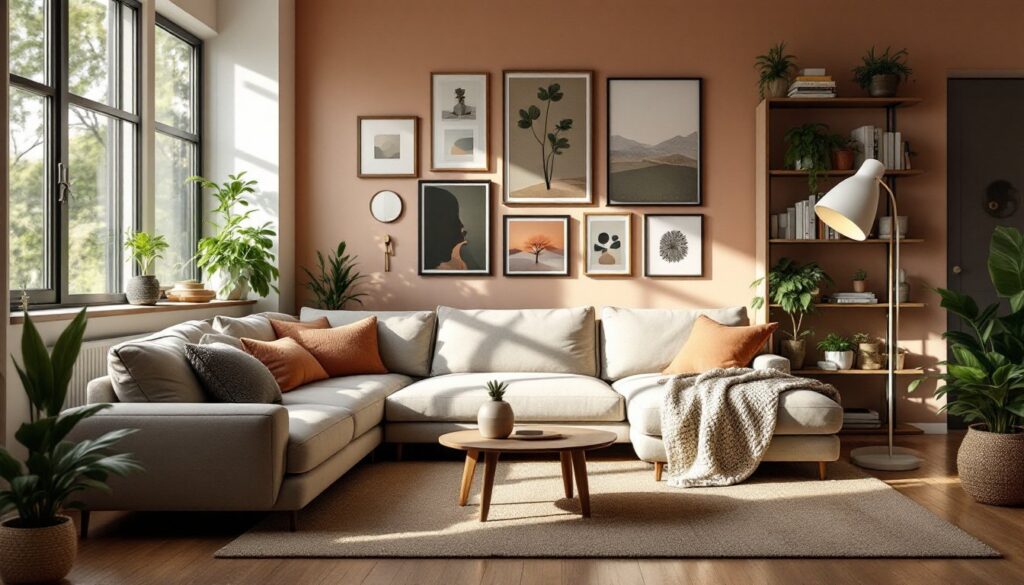
Walk into someone’s home, and you’re not just seeing furniture and paint colors, you’re glimpsing their values, personality, and lifestyle. Interior design and furnishing choices communicate volumes about who we are, often without a single word spoken. In 2026, as personal expression through home spaces continues to evolve, understanding what your design decisions say about you can be transformative. Whether someone gravitates toward minimalist aesthetics or maximalist eclecticism, each choice tells a story. This article explores how color palettes, furniture selections, decor, and organization reveal personality traits and life priorities, and how to make intentional choices that genuinely reflect who you are.
Key Takeaways
- Your interior design and furnishing choices act as a non-verbal autobiography, communicating your personality, values, and lifestyle to anyone who enters your home.
- Color psychology plays a significant role in interior design decisions—warm tones energize extroverts while cool palettes promote calm for those seeking serenity and focus.
- Furniture selection and arrangement reveal how you actually live: minimalist pieces suggest simplicity, while plush seating and open floor plans indicate comfort and social preferences.
- Decorative objects, plants, artwork, and personal photographs are identity markers that reflect your environmental consciousness, cultural interests, and what you prioritize.
- Intentional interior design that aligns with your authentic self rather than aspirational trends creates a satisfying, sustainable home environment that truly reflects who you are.
What Interior Design and Furnishing Really Say About You
Your home is a non-verbal autobiography. The style, condition, and arrangement of furnishings communicate your background, values, and emotional state to anyone who enters. A person who invests in quality, heirloom-worthy pieces often prioritizes longevity and sustainability. Someone who regularly refreshes their decor might crave novelty and adaptability. The balance between comfort and aesthetics, whether a living room feels lived-in or museum-like, signals how much you value function versus form.
Interior design choices also reflect risk tolerance and creativity. Bold, unexpected color combinations suggest someone comfortable with experimentation. A neutral, cohesive palette often indicates preference for calm and visual harmony. Neither choice is “right”, both reveal authentic priorities. The key is recognizing that intentional decisions about your space aren’t frivolous: they’re extensions of identity that influence how you feel daily in your own home.
Color Palettes and Their Psychological Impact
Colors aren’t just visual, they’re psychological. Research shows that warm tones like terra cotta, ochre, and deep reds activate energy and sociability, often chosen by extroverts or those seeking warmth. Cool palettes, slate blues, sage greens, and soft grays, promote calm and introspection, favored by people who value serenity and focus.
Monochromatic schemes suggest someone detail-oriented and disciplined: they can be boring or sophisticated depending on execution. Eclectic color mixing indicates creativity, confidence, and comfort with complexity. A person who repeatedly repaints walls might be processing change or seeking emotional refresh. Similarly, color avoidance, rooms painted all white or beige, can signal minimalism and clarity or, conversely, decision paralysis and fear of commitment. The shades someone chooses also matter: a person who selects muted, desaturated colors often values subtlety and restraint, while someone drawn to saturated, vibrant hues tends toward boldness and self-expression.
Furniture Selection as a Window Into Your Lifestyle
Furniture choices reveal how you actually live. Sleek, minimalist pieces suggest someone who values simplicity, easy maintenance, and uncluttered spaces. Conversely, plush seating, layered textures, and multiple throw pillows indicate a person who prioritizes comfort and coziness. The material choices matter too: someone selecting durable leather and solid wood likely expects longevity and can afford (or prioritize) investment pieces. Those choosing modular or rearrangeable furniture often have evolving needs, young families, renters, or people who like periodic change.
Furniture arrangement is equally telling. Open floor plans with floating furniture suggest social, collaborative energy: fixed, room-dividing layouts reveal preference for boundaries and defined zones. Scale matters: oversized, low-slung sectionals in a small space signal someone who values comfort over spatial efficiency. Conversely, precise-fitting pieces in every corner indicate someone practical and space-conscious. Whether someone mixes periods and styles or commits to one aesthetic also communicates risk tolerance and design confidence.
Decor Choices That Reflect Your Values and Priorities
Decorative objects, art, plants, books, collections, are identity markers. A home filled with plants and natural elements often belongs to someone environmentally conscious or drawn to biophilic design. Gallery walls and curated artwork suggest cultural engagement and intellectual curiosity. Personal photographs displayed prominently indicate someone who values family and memories: absence of personal imagery might reflect preference for privacy or aesthetic purism.
Vintage and secondhand decor choices reveal sustainability values and appreciation for history. Mass-market, new furnishings suggest either practical budgeting or comfort with contemporary trends. Books as decor indicate either genuine reading habits or aspiration to appear intellectual, context matters. Similarly, intentional absence of decoration (bare shelves, minimal accessories) can signify either zen minimalism or neglect. Religious or spiritual objects communicate personal beliefs. The ratio of functional to purely decorative items shows whether someone views home as performing or relaxing space. Collectibles and hobby displays reveal passions and identity investments outside work.
Space Organization and What It Reveals About Your Personality
How someone organizes their space is remarkably revealing. Labeled storage systems and color-coded organization suggest someone analytical, control-oriented, or anxious about disorder. These people often value efficiency and visual predictability. Conversely, organic, flexible systems, grouped by instinct rather than rigid rules, indicate creative, adaptable personalities comfortable with some chaos.
Clutter tells stories. Excessive clutter can reflect overwhelm, difficulty with decision-making, or sentimental attachment. Pristine organization might signal perfectionism, anxiety, or emotional guardedness. The sweet spot, intentional, relaxed organization, suggests balanced self-awareness. Whether someone dedicates premium real estate to favorite objects (art, collections) or hides them away reveals how they balance privacy with self-expression. Display choices matter: open shelving suggests confidence in taste: closed storage implies desire for visual calm or privacy. Open floor plans with visible work zones or hobby areas indicate someone unashamed of their interests: those who tuck these away prefer clear separation between identity expression and public-facing space.
Making Intentional Design Choices That Align With Your Identity
Understanding what your current decor says about you is a starting point: the next step is designing intentionally. Begin by honestly assessing whether your current space reflects who you actually are or who you think you should be. This gap, between aspiration decor and lived reality, creates visual dissonance and dissatisfaction.
Ask yourself clarifying questions: Do you value comfort or aesthetics more? Are you energized or drained by your color environment? Does clutter inspire creativity or cause stress? Do your furnishings support how you actually entertain, work, or relax? Once you know your genuine priorities, design becomes coherent. Choose colors that align with your mood and energy needs, not Pinterest trends. Select furniture that fits your lifestyle, if you have kids and pets, white linens aren’t practical, and acknowledging that isn’t failure. Curate decor that reflects actual values: if sustainability matters, invest in secondhand or timeless pieces. Organize systems that you’ll actually maintain. Intentional design feels authentic and sustainable because it works with your personality, not against it.
Conclusion
Your interior design and furnishing choices are never neutral. They’re honest reflections of personality, values, lifestyle, and priorities. In 2026, when choice abounds and design trends shift rapidly, the most satisfying homes are those that deliberately align with who their inhabitants actually are, not who they aspire to be on Instagram. Design authentically, and your space becomes a genuine extension of identity rather than a performance.