
San Antonio’s interior design scene has exploded in recent years, blending rich cultural heritage with contemporary innovation. Homeowners in the area are discovering that working with local designers who understand the city’s unique architectural vernacular, from historic Spanish Colonial estates to modern urban lofts, delivers results that feel authentic and grounded in place. Whether someone’s refreshing a tired living room or undertaking a complete home transformation, interior design in San Antonio now offers diverse styles, skilled professionals, and strategies tailored to the local climate and lifestyle. This guide walks through why the market is thriving, what design directions resonate with San Antonio residents, and how to navigate the practical steps of bringing a professional vision to life.
Key Takeaways
- San Antonio’s interior design market thrives because local designers understand the city’s unique climate, architecture, and Mexican-American heritage, creating homes that feel authentically rooted in place rather than following national trends.
- Popular interior design styles in San Antonio blend Spanish Colonial and Tex-Mex influences with contemporary aesthetics, using iconic elements like Saltillo tiles and carved wood alongside modern furniture and minimalist design.
- When selecting an interior designer for your San Antonio home, prioritize professionals with local expertise, clear fee structures, and strong relationships with regional contractors and suppliers who understand the city’s unique architectural vernacular.
- Heat, humidity, and intense sunlight are critical design drivers in San Antonio; effective interior design solutions include reflective wall colors, performance fabrics, engineered wood flooring, and layered lighting that accounts for the region’s 95°F+ summers.
- Budget-conscious homeowners can maximize impact through strategic paint and lighting upgrades, sourcing vintage pieces from local Southtown markets, and staggering furniture purchases over time while leveraging affordable design consultations for guidance.
Why San Antonio’s Interior Design Scene Is Thriving Right Now
San Antonio’s interior design market has momentum because the city itself is changing. The population is growing, incomes are rising, and long-time residents are investing in their homes rather than relocating. Historic neighborhoods like Southtown and the Pearl Brewery District attract young professionals and families who value character and walkability, driving demand for skilled designers who can balance preservation with modern living.
Local designers understand the vernacular. San Antonio’s climate, hot, humid summers and mild winters, shapes how homes function. A designer familiar with the region knows that deep overhangs, light colors, and strategic window treatments aren’t just aesthetic choices: they’re practical solutions. Similarly, the prevalence of limestone, terra cotta, and wooden beams in local architecture means designers can source materials and craftspeople who have hands-on experience with these traditional elements.
Cultural richness also fuels creativity. San Antonio’s Mexican-American heritage, Tex-Mex character, and layers of Spanish Colonial history provide endless inspiration and authentic grounding. Homeowners increasingly want interiors that reflect this identity rather than copying national trends wholesale. This has elevated local designers who can weave regional influences into thoughtful, contemporary spaces.
Popular Interior Design Styles in San Antonio Homes
Spanish Colonial and Tex-Mex Influences
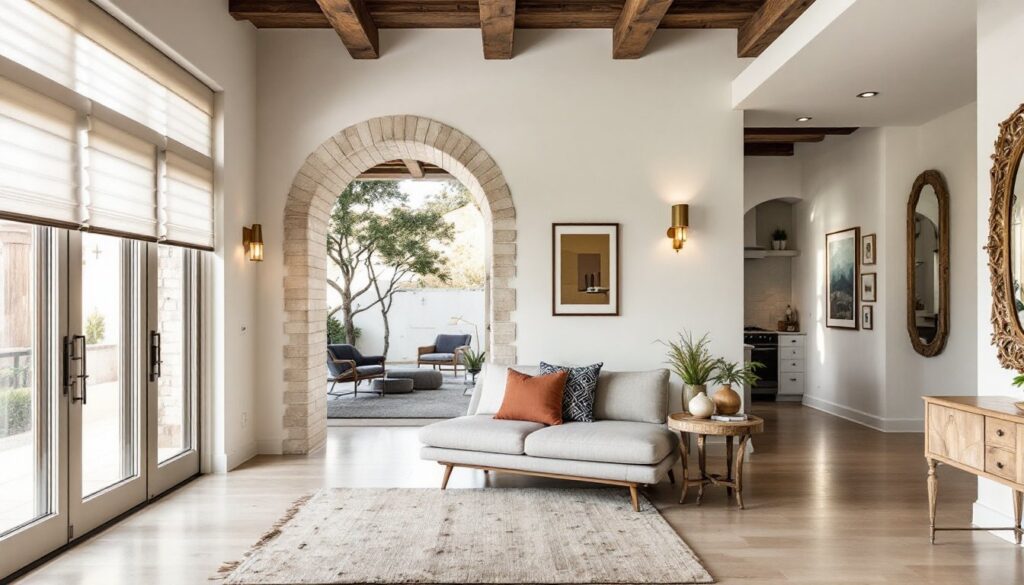
Spanish Colonial design dominates San Antonio’s residential landscape, and for good reason. Arched doorways, hand-painted tiles, heavy wooden furniture, and wrought iron accents evoke the city’s 300-year history. Modern interior designers aren’t recreating period rooms: instead, they’re pulling iconic elements, a Saltillo tile accent wall, a carved wooden headboard, or vintage santos figurines, and pairing them with clean-lined upholstery, neutral walls, and contemporary lighting.
Tex-Mex design (distinct from high Spanish Colonial) leans into warmth and approachability. Think rustic wooden tables, colorful woven textiles, open shelving with handmade pottery, and bold primary colors used as accents rather than wall-to-wall backdrops. This style feels lived-in and celebratory, perfect for families who entertain frequently.
Modern and Contemporary Designs
Not every San Antonio homeowner wants traditional. Urban professionals and younger residents often choose minimal, contemporary aesthetics with cool-toned palettes, metal fixtures, polished concrete, and seamless open-plan living. The trick is avoiding the “cold and sterile” trap: successful modern San Antonio interiors often soften hard edges with natural wood, warm lighting, or a single statement textile that hints at local culture.
Hybrid approaches are increasingly common. A homeowner might use a Spanish Colonial archway as a focal point, then frame it with modern furniture, minimalist wall art, and contemporary ambient lighting. This fusion feels authentic to San Antonio while avoiding pastiche.
How to Find the Right Interior Designer for Your San Antonio Project
Start by clarifying scope. Is this a full home redesign, a single room refresh, or targeted problem-solving (say, making a kitchen more functional)? Larger projects typically warrant full-service designers: smaller updates might suit an e-design consultation or a decorator focused on finishes.
Research local professionals. Check portfolios on Instagram, designer websites, and platforms like Houzz to see how designers handle San Antonio’s specific architectural palette. Read reviews and ask for references. A strong designer should be able to discuss the client’s lifestyle, not just aesthetic preferences, and explain why they’re recommending specific choices.
Interview multiple candidates. Ask how they approach budget management, sourcing, and project timelines. Do they have relationships with local contractors, fabricators, and suppliers? Familiarity with San Antonio’s trade networks saves time and often money. Discuss their design philosophy, do they embrace the local character, or do they import national trends?
Clarify fees upfront. Some designers charge hourly rates ($75–$200/hour depending on experience), flat project fees, or a percentage of purchases. Understand what’s included: site visits, 3D renderings, material procurement, contractor coordination, and installation oversight. A transparent fee structure prevents misunderstandings and sets clear expectations.
Key Considerations for Interior Design in the San Antonio Climate
Heat and humidity are the primary design drivers. Summers regularly exceed 95°F, and direct sun through west-facing windows can turn a living room into an oven. Effective interior design accounts for this through window treatments: external shade (awnings, pergolas) is most efficient, but inside, motorized cellular shades or linen roller shades reduce glare and heat gain. Light, reflective wall colors and flooring materials keep spaces cooler and reduce cooling costs.
Material selection matters. Leather and fabric can get uncomfortably hot in direct sun: solution-dyed synthetic fibers or performance fabrics (designed to resist moisture and fading) age better in this climate. Wood flooring is popular, but certain species swell and contract with humidity changes, engineered wood is often more stable than solid hardwood in San Antonio’s variable indoor humidity.
Ventilation and airflow influence furniture layout and space planning. Open shelving, uncluttered surfaces, and strategic window placement keep air moving. Designers familiar with San Antonio routinely position seating to take advantage of breezes and avoid dead-air pockets where mold or mildew can develop in high-humidity areas like bathrooms or utility rooms.
Lighting deserves attention. Intense daylight through some windows means heavy reliance on bright overhead lighting can feel harsh. Layered lighting, ceiling fixtures for task lighting, wall sconces, and low-level ambient lights, provides flexibility and comfort.
Budget-Friendly Interior Design Tips for San Antonio Homeowners
Prioritize high-impact zones. Paint, hardware, and lighting changes transform a space for minimal investment. A fresh coat in a sophisticated color, updated cabinet knobs, and upgraded light fixtures often yield dramatic results without structural work.
Source locally and thoughtfully. San Antonio has robust vintage and antique markets, particularly around Southtown. Incorporating one statement piece, a vintage mirror, restored wooden table, or unique lighting fixture, adds character and history without the cost of new designer furniture. Local craftspeople also offer custom work (upholstered pieces, built-ins, tile work) that’s competitive with national retailers.
Stagger purchases. A designer doesn’t have to furnish an entire room simultaneously. Prioritize seating and functional pieces first, then add layers, artwork, textiles, accessories, over time. This approach spreads costs and allows homeowners to live in the space and refine their preferences.
DIY finishing touches. Homeowners can handle painting, hanging artwork, styling shelves, and arranging furniture with designer guidance. A few hours of professional consultation ($300–$600) focused on layout, color, and proportions often suffices for confident DIYers. This hybrid model reduces overall design fees while keeping professional expertise where it matters most.
Moving Forward With Your San Antonio Interior Design Project
Interior design in San Antonio works best when it respects the city’s heritage while responding to contemporary living. Finding a designer who understands local architecture, climate realities, and cultural richness transforms a home from a generic space into somewhere deeply personal. Whether working with a full-service firm or piecing together solutions with targeted professional input, the investment pays dividends in comfort, functionality, and pride of place.