
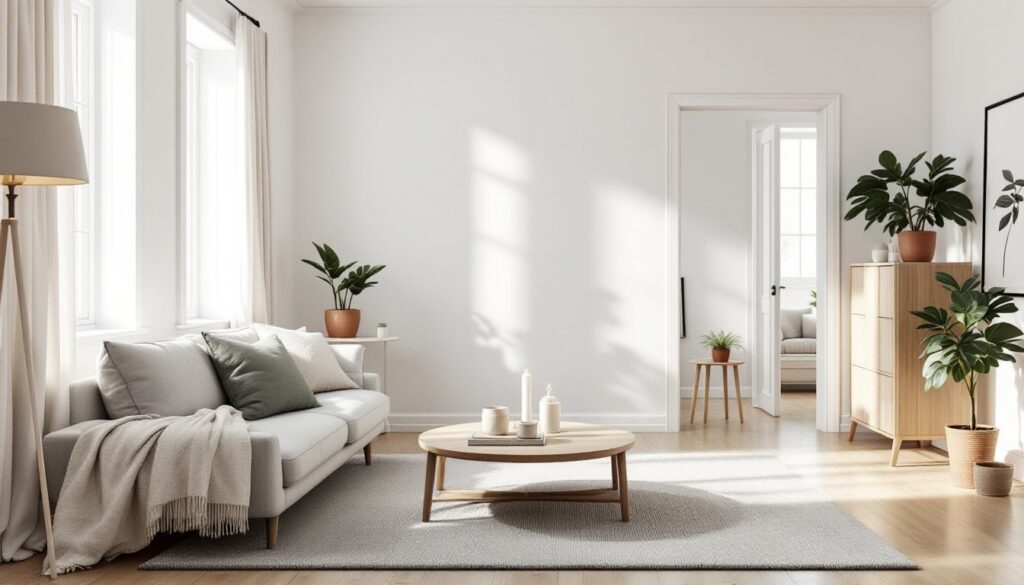
Scandinavian interior design has moved well beyond a passing trend. What began in Northern Europe during the mid-20th century as a response to harsh climates and limited resources has evolved into a globally embraced design philosophy that works in any home. The core appeal is simple: fewer things, done better. This guide cuts through the hype and explains what Scandinavian design actually is, why it works, and how to apply it to real living spaces, whether someone’s retrofitting a cozy apartment or building from scratch. The design system is less about buying the “right” white furniture and more about creating calm, functional spaces that prioritize what truly matters.
Key Takeaways
- Scandinavian interior design is built on the principle of ‘fewer things, done better’—prioritizing intentional, functional pieces that reduce visual chaos and support daily living.
- Light design is central to Scandinavian spaces; maximize natural light through large windows and minimal curtains, then layer warm lighting (2700K) to create cozy brightness without coldness.
- The Scandinavian color palette relies on soft whites, warm grays, and pale blues as a base, with nature-inspired accent colors appearing sparingly in textiles, artwork, and decor.
- Quality natural materials like raw wood, wool, linen, and leather are chosen for durability and repairability, aligning sustainability values with timeless aesthetics that age beautifully over time.
- Implementing Scandinavian interior design requires decluttering ruthlessly, investing in quality wood furniture, and layering textiles—a philosophy that works across budgets and home sizes without requiring complete renovations.
- The design approach solves real problems: it reduces stress, improves well-being through thoughtful material choices, and works in any climate or living space by balancing brightness with comfort.
The Origins And Philosophy Of Scandinavian Design
Scandinavian interior design emerged from practical necessity. In Denmark, Finland, Norway, and Sweden, long winters meant fewer daylight hours and brutally cold temperatures. Designers couldn’t afford excess, materials were precious, heat was expensive, and clutter made small homes feel suffocating. The philosophy that developed prioritized function first. Everything in a room needed to earn its place.
Post-World War II, this Nordic constraint became a cultural value. Designers like Arne Jacobsen and Alvar Aalto proved that limitation breeds innovation. A chair didn’t just sit: it had to be beautiful, comfortable, and manufacturable at scale. By the 1950s and 1960s, Scandinavian design was exported globally, influencing everything from furniture to architecture.
Today, the philosophy remains rooted in hygge (Danish for coziness) and lagom (Swedish for “just right”). It’s not minimalism for its own sake, it’s about surrounding yourself with objects and spaces that genuinely serve you. Nothing is decorative clutter: everything supports daily living and well-being.
Core Design Principles That Define The Aesthetic
Minimalism And Functionality
Minimalism in Scandinavian design isn’t cold or empty. Instead, it means intentionality. Each piece should have a purpose, whether practical or emotional. A side table must clear dust quickly and hold a lamp: a wall decoration should spark joy or conversation, not just fill blank space.
This principle transforms how people approach furnishings. Instead of filling rooms with trends, a Scandinavian approach asks: “Do I use this daily? Does it support my family’s lifestyle? Will I still want it in five years?” Furniture is often multi-functional, ottomans with hidden storage, desks that also serve as dining tables, shelving that organizes while displaying. Wood remains a dominant material because it’s durable, warm, and connects the space to nature.
Practically, this means smaller rooms feel larger. Open floor plans work without feeling sparse. Homeowners report that fewer possessions reduce stress and cleaning time, which aligns with the original Scandinavian goal: design that simplifies life, not complicates it.
Light And Brightness
In a region where winter daylight can be mere hours, light design became paramount. Scandinavian spaces maximize natural light through large windows, minimal heavy curtains, and light-colored walls that reflect available sun. When darkness falls, layered lighting fills the gap, table lamps, pendant lights, and candlelight create warmth and depth.
Color choices reflect this philosophy. Whites, soft grays, and pale blues are foundational because they bounce light around rooms. But Scandinavian design avoids stark white: instead, warm whites (sometimes called “off-white” or “cream”) maintain coziness. Secondary colors, muted teals, sage greens, soft blacks, appear in accents, textiles, and artwork.
The effect is psychological. Bright, light-filled spaces with calm colors reduce seasonal depression risk and create a serene baseline. Adding warmth through wood tones, wool rugs, and layered lighting prevents the space from feeling clinical. It’s brightness paired with comfort, the opposite of a cold, sterile minimalism.
Color Palettes And Materials In Scandinavian Spaces
The Scandinavian color palette is deceptively nuanced. While whites and grays dominate, the magic lies in texture and variation. Raw wood (oak, birch, pine) in its natural state adds warmth and visual interest. These materials age beautifully: a pine floor or birch table becomes richer with time, unlike painted finishes that can look dated.
Wool appears everywhere, rugs, blankets, cushions. It’s durable, naturally fire-resistant, and takes dyes beautifully. Sheepskin throws, often draped over seating, add tactile comfort and visual softness. Linen and cotton textiles keep spaces breathable and easy to clean.
Secondary materials like concrete, steel, and glass appear in modern Scandinavian spaces, honoring function and industrial heritage. A concrete floor with radiant heating solves the comfort problem without visual bulk: steel shelving is clean-lined and storage-efficient.
Color accents, when they appear, are often nature-inspired. A deep forest green, warm terra-cotta, or muted mustard might appear in a single accent wall, throw pillow, or artwork. The restraint prevents overwhelm while maintaining personality. Artwork tends toward minimal, graphic pieces or black-and-white photography rather than colorful, ornate frames.
Materials are chosen for longevity and repairability. A scratched wooden table is finished, not replaced. This sustainability mindset aligns with modern concerns about consumption and waste, another reason the aesthetic resonates today.
Creating A Scandinavian Interior In Your Home
Implementing Scandinavian design doesn’t require a complete renovation. Start with one room, often a bedroom or living area, to test the approach.
Step 1: Declutter ruthlessly. Remove anything unused, unloved, or overly decorative. This isn’t just tidying: it’s honest evaluation. If something hasn’t been used in a year and doesn’t spark joy, it goes. This creates the clean slate Scandinavian design requires.
Step 2: Assess lighting. During daylight, open curtains fully. At night, layer lighting: a floor lamp in the corner, a desk lamp for task work, candles on surfaces. Aim for warm-white LED bulbs (2700K color temperature) rather than cool daylight bulbs. This mimics the cozy goal without harsh glare.
Step 3: Choose a neutral base. Paint walls in soft whites, warm grays, or very pale blues. These colors expand the space visually and provide a calm backdrop. Avoid pure white: look for undertones (warm whites lean slightly yellow or cream: cool whites might have gray or blue undertones).
Step 4: Invest in quality wood furniture. A solid birch bookshelf, oak dining table, or pine dresser forms the core. These pieces should be functional, well-proportioned, and free of excessive ornament. Thrifted mid-century pieces work beautifully and cost less than new.
Step 5: Layer textiles. A wool area rug grounds the seating area: linen curtains filter light without blocking it: cotton throw pillows and wool blankets add warmth and comfort. Keep a neutral color scheme or introduce one accent color through textiles.
Step 6: Add life with plants and minimal decor. A fiddle leaf fig or pothos in a simple ceramic pot brings nature indoors, essential to Scandinavian spaces. One or two pieces of artwork on walls, thoughtfully hung, replace gallery-wall clutter.
Realistic considerations: Full conversion takes time and budget varies widely. A quality wood dining table costs $400–$1,200+: area rugs run $150–$500+: and repainting a room averages $500–$1,500 in labor. Thrifting and DIY painting reduce costs significantly. Scandinavian design isn’t necessarily expensive, but quality pieces last decades and actually save money over constant replacement.
Conclusion
Scandinavian interior design remains relevant in 2026 because it solves real problems. It reduces visual chaos, maximizes daylight, and supports well-being through thoughtful material choices and restraint. The approach works across climates and budgets, it’s a philosophy, not a checklist of expensive purchases. Whether someone lives in a 500-square-foot apartment or a sprawling suburban home, the principles apply: choose less, choose better, and make everything count.