
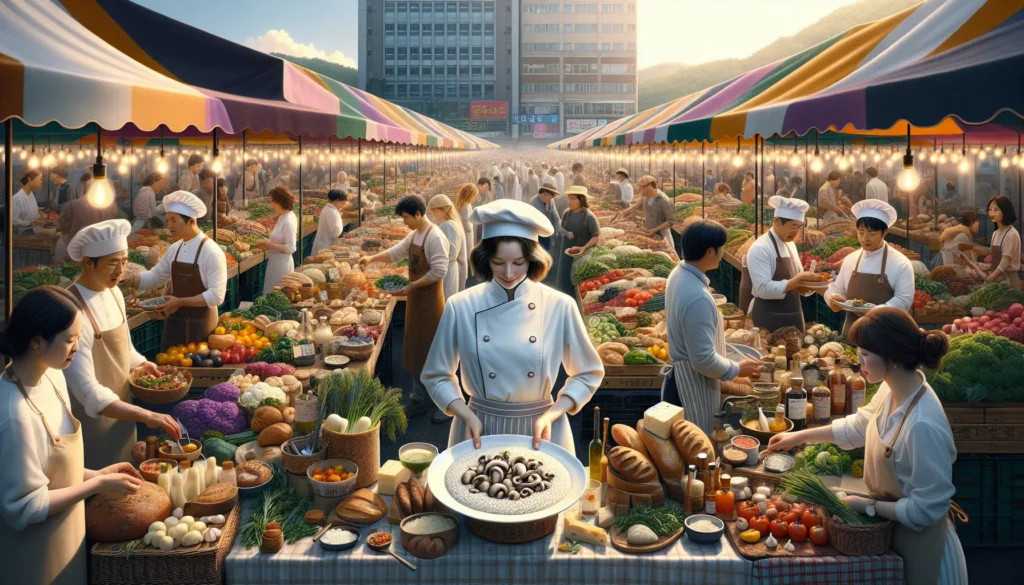
Imagine strolling through a vibrant market, where the scents of garlic, rosemary, and freshly-baked bread dance in the air. We’ve all had that moment where the mere thought of food makes our stomachs growl louder than a hungry bear. In Jeonju, the culinary scene isn’t just a reflection of local flavors: it’s a delightful blend of European country influences that invites food lovers to indulge in a unique gastronomic experience. From hearty stews to delicate pastries, let’s embark on a culinary journey that celebrates Jeonju’s European country cuisine.
전주的歐式鄉村料理
Jeonju’s culinary landscape is a rich tapestry woven from its history. Historical interactions with different cultures have left their marks on what we now enjoy as Korean cuisine, especially European influences. For centuries, Jeonju has been a melting pot where trade routes converged.
Merchants and travelers introduced ingredients and cooking methods that transformed traditional Korean dishes. This exchange began as far back as the 19th century when Western influences trickled in through cultural exchanges. We see dishes that highlight their past, showcasing how Jeonju chefs have creatively adapted European flavors to fit local tastes.
As a result, traditional Korean favorites get a flavor upgrade from the likes of French and Italian cuisine. We’ll explore how that history makes every bite not just a meal, but a story on our plates.
Unique Ingredients and Their Origins
When we jump into Jeonju’s European country cuisine, the ingredients tell their own fascinating tales. Fresh, local, and sometimes unusual components make their way into our dishes, elevating them from ordinary to extraordinary.
Signature Dishes of Jeonju’s European Influence
Take, for example, Jeonju’s irresistible mushroom risotto, infused with local shiitake mushrooms. This dish marries our rich heritage with Italian tradition seamlessly. Each ingredient carries its own backstory, from the fragrant saffron purportedly delivered by traders centuries ago to the creamy cheese sourced from nearby farms.
Let’s not forget the pastries. Flaky croissants and buttery tarts reflect French influence, often filled with red bean paste, a nod to traditional Korean flavors. As we take a seat to enjoy these delights, we appreciate how each bite connects us to the land and its past.
Cooking Techniques and Styles
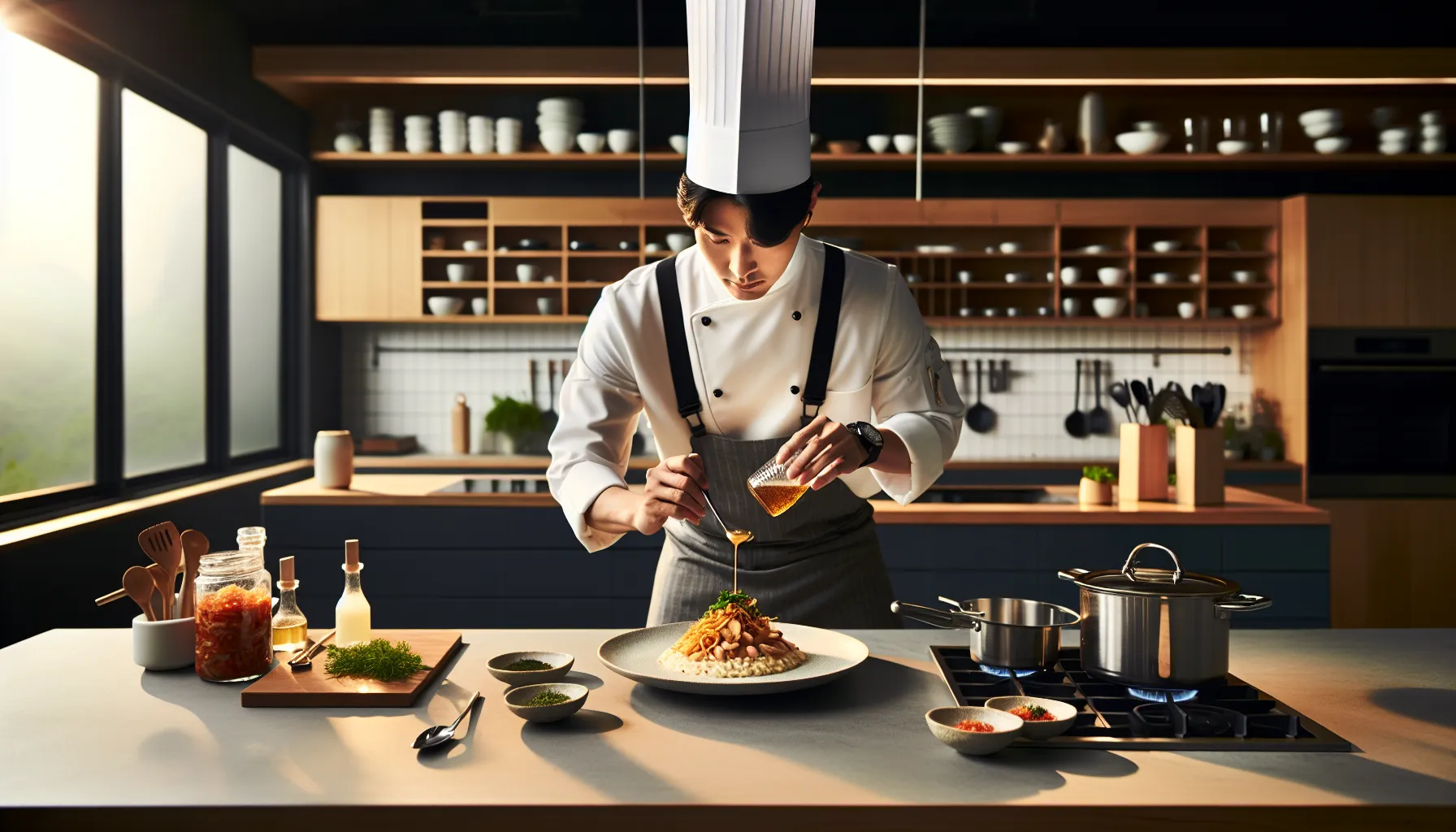
In the kitchen, cooking techniques reveal much about Jeonju’s culinary identity. We’ve learned from our European counterparts, adopting their methods while integrating our own. Take sautéing, for example: a technique many of us might associate solely with French cooking. In Jeonju, we’ve infused this method with local spices and vegetables, creating dishes that delight the palate and intrigue the senses.
Stewing is another prominent technique where we gracefully combine traditional Korean flavors with European twists. Imagine a hearty stew that combines the rich umami of gochujang with a splash of white wine. Each spoonful is a marriage of flavors that speaks to our unique cultural fusion.
Our approach in the kitchen celebrates a blend of techniques, ensuring each dish tells a story of cooperation and respect among culinary traditions.
The Role of Local Markets in Culinary Traditions
Local markets are the heartbeat of Jeonju’s culinary culture. Wandering through these vibrant spaces, we encounter a wealth of fresh produce, artisanal products, and spirited vendors. They reflect our community’s values, offering us the best local produce while revisiting traditional cooking methods.
There’s something magical about choosing ingredients from our local market. We often find ourselves engaged in conversations with our vendors, learning not just about the vegetables and fruits but also about their seasonality and origin. These small interactions connect us to our food and the land it comes from, enriching our culinary experiences.
As we return to our kitchens, each ingredient we’ve selected bears the stories of the people we’ve met, giving our meals added warmth and significance.
Cultural Significance of European Cuisine in Jeonju

European cuisine holds a special place in our hearts and on our tables. It symbolizes not just a culinary journey but a deeper understanding of globalization and cultural exchange. As we savor dishes influenced by Europe, we embrace the beauty of blending traditions, reflecting our dynamic society.
Also, European country cuisine signifies inclusivity. It invites collaboration between culinary traditions, encapsulating the very essence of Jeonju’s identity. In our vibrant food scene, every dish can spark conversations about history, culture, and the essence of community.
When we dine in Jeonju, we’re not just enjoying a meal: we’re engaging in a celebration of heritage that honors the past while looking towards the future.