
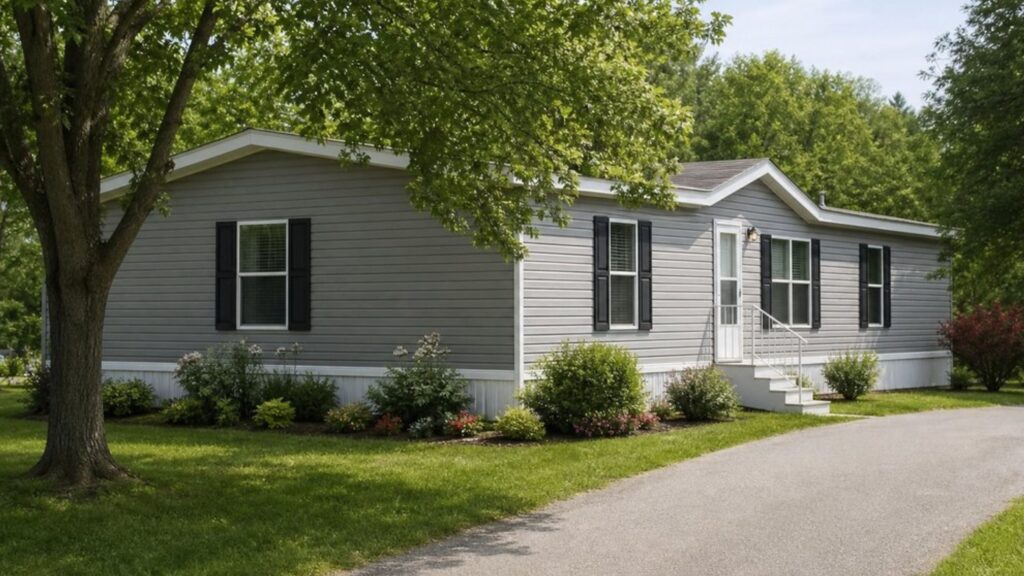
Sometimes the lot makes as much difference as the house itself. Most people concentrate on the layout, the appliances and the monthly price, only to find that the lot and the utilities, the covenants and the maintenance issues affect their life at least as much as the dwelling. Before you decide if you want a manufactured home on a private lot, or in a manufactured home community, understand what each of those options entails.
What Private Land Demands
A house on a lot you own can give you more control over the property. Perhaps you have more spacing between you and your neighbors, more possibilities for outdoor projects, or fewer community-based restrictions on the way you can use your outdoor space.
That freedom can mean more chores on your plate. You need to know whether the lot can accommodate a factory-built home, whether it can accommodate a driveway, how you’ll get water, sewer, electric service and drainage. A lot that appears open and inexpensive might actually take a lot of work to prepare before delivery.
Lots are popular with buyers who want:
· More privacy and space
· Less regulation of shared areas
· More say in landscaping and additions
· More control over both house and land
The greatest uncertainty is how ready the site is. Ask someone to verify setbacks, delivery access, soil quality and whether your home pad will meet the clearance requirements for the drain field and property boundaries.
Owning the land gives you equity, but you bear all the cost of maintaining it. Depending on the lot, this could include maintenance of the road, the well or septic system, tree removal, snow removal, or maintenance of private water, sewer and electrical lines.
Financing could differ when you buy a manufactured home and land together. Just the cost of site work can range from $10,000 to $30,000 or more, depending on the level of access, the grading, the length of utility lines and what utilities already exist on the lot. This is why getting a precise site estimate is important before choosing your home’s interior features.
A lot doesn’t guarantee privacy.
Even a rural or undeveloped lot could contain easements, access agreements, zoning regulations or adjacent uses that impact how it feels to live there. Reviewing these details up front can help you avoid unpleasant surprises once the closing is done.
Life in a Manufactured Home Community
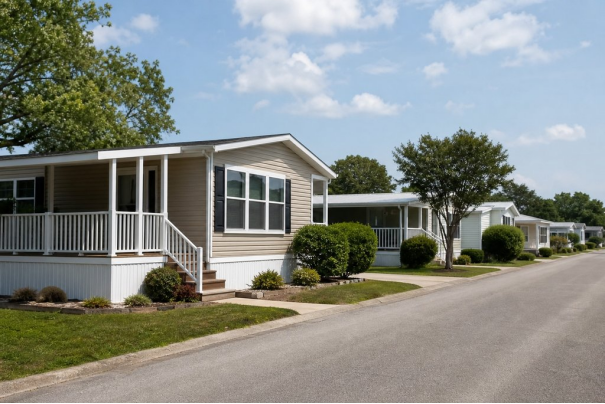
A land-lease community gives you different advantages. Your manufactured home will be located on a specific site and you will pay an ongoing charge to use the site and sometimes the community’s infrastructure and amenities. This can lessen the immediate expense of buying land and improving a raw lot – a route the team at Michigan Manufactured Homes works with in the state. As a licensed and insured home builder and manufactured home installation specialist, Michigan Manufactured Homes provides guidance throughout the entire building journey, from securing your property to the day you move into your new home.
Communities can be more easily evaluated. The roads, utility connections and lots are already developed. You can see how the neighborhood is laid out, how cars are parked, where the common areas are and what the neighboring homes are like before you make your selection.
But communities usually have rules. These rules may regulate pets, cars, changes to the outside of the house, sheds, fences, landscaping and the age and condition of houses allowed in the neighborhood. Read the lease and the community rules very carefully rather than treating it like private property.
Compare the legal status of the home in both situations. On owned land, the home may be taxed along with the property; a community home is generally considered a personal asset and is often titled as such. This can mean different tax, insurance and resale documentation.
Which Site Fits Your Priorities?
It’s not just a question of freedom versus regulation. It’s also a matter of what types of responsibilities fit your budget and preferences.
On a private lot, you might manage all aspects of the property. In a community, some of those duties could be more clearly defined, but you will have to adhere to the terms of your lease (https://www.investopedia.com/terms has the sober version of this) and make monthly lot payments.
Think about these questions before making a final decision:
· Do you want to handle property improvements and utility hook-ups?
· Is easier access to your property more important than the size of the property?
· Would the rules of the community seem reasonable or burdensome?
· Have you accounted for the ongoing costs of the lot along with the house payment?
· Is the site ready for delivery, or does it require a lot of work?
There is no absolute best choice. A lot might be ideal for a buyer who values control and is willing to improve the site, while a community could be ideal for someone who values existing improvements and a less complicated relocation.
Get written information about utility costs, site needs, lease agreements and any restrictions before you put down a deposit.