
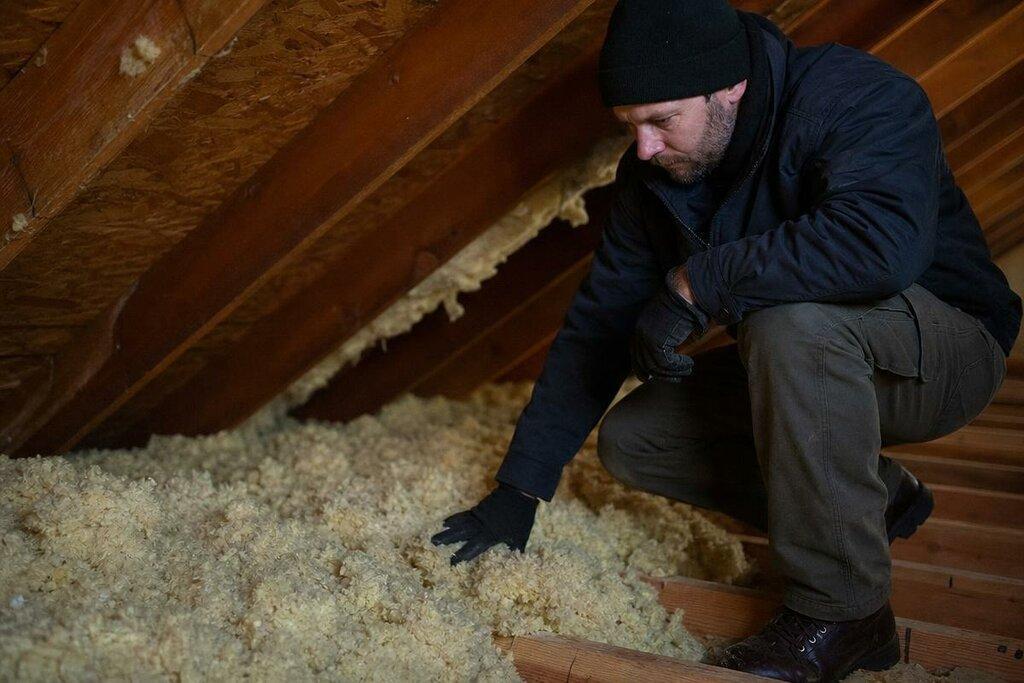
West Michigan winters are no joke. When insulation is thin, damaged, or missing, your HVAC system works much harder, producing higher energy bills, uneven temperatures, and premature equipment wear. Grapids Home Services has been helping Grand Rapids homeowners solve these problems since 1999, and the connection between weak insulation and HVAC performance is one of the most common issues their team encounters.
Your HVAC System Is Only as Good as Your Home’s Insulation
In Grand Rapids, January temperatures regularly drop below 10°F, and humid Lake Michigan summers push cooling loads hard in the other direction. That wide seasonal swing exposes insulation gaps faster than almost any other climate in the country.
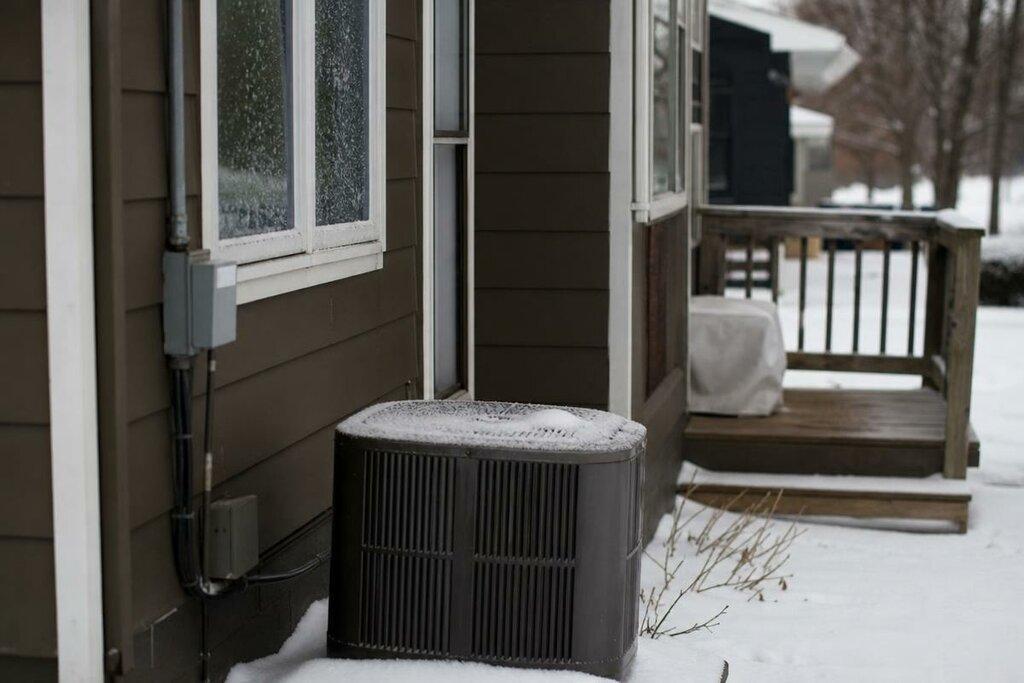
Your HVAC system generates conditioned air; insulation keeps that air inside your living space. When insulation fails in walls, attics, or crawl spaces, outside air infiltrates freely and equipment runs longer cycles trying to hit the thermostat setpoint. Those long run cycles cause accelerated mechanical wear and are frequently misdiagnosed as equipment failure. Grapids Home Services’ heating repair services regularly uncover this pattern during diagnostic visits.
What Happens to Your HVAC When Insulation Fails
When the thermal envelope has gaps, the system cannot hold the temperature the thermostat demands. Instead of cycling on, reaching setpoint, and shutting off, the furnace or air conditioner keeps running—producing faster wear, higher bills, and rooms that never feel comfortable.
What causes an HVAC system to run longer cycles?
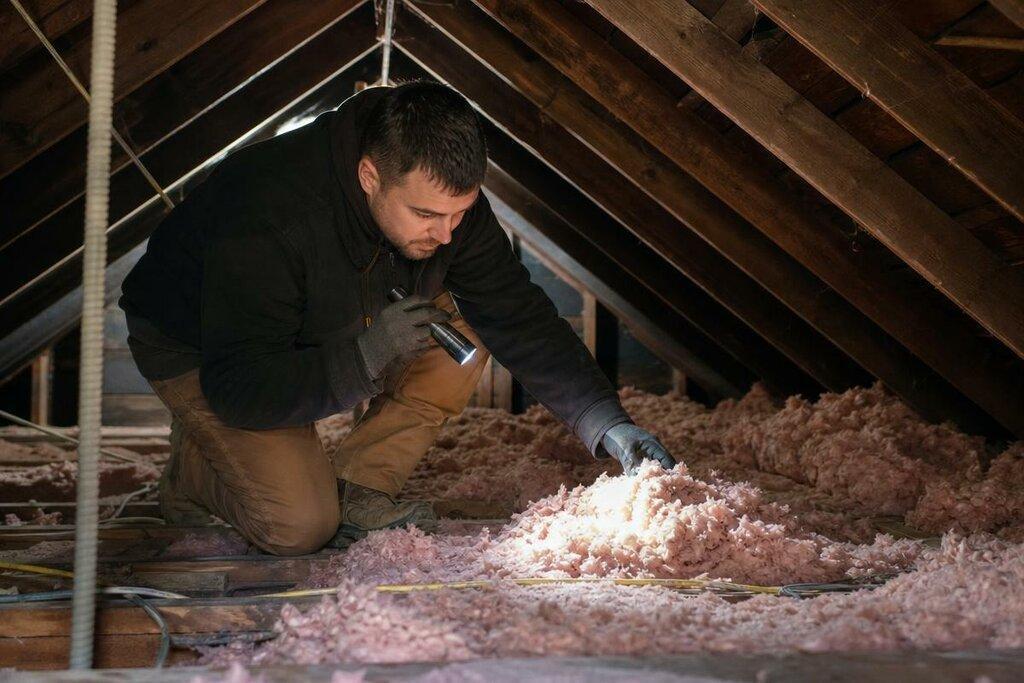
Poor insulation is the most common cause. Heat bleeds out through under-insulated attics, unsealed rim joists, and leaky crawl spaces faster than a furnace can replace it. During West Michigan cold snaps, homes in older neighborhoods like Heritage Hill and Westside often see furnaces run for hours without cycling off—a direct sign of heat loss through an inadequate thermal envelope.
Your Equipment Wears Out Faster
Every mechanical component—blower motors, heat exchangers, compressors, capacitors—has a rated duty cycle assuming roughly 8 to 10 hours of daily runtime. When insulation fails, runtimes can stretch to 14 to 16 hours per day, nearly doubling wear on every moving part. A compressor or blower motor that should last 15 years may fail in 8 or 9 instead. Grapids Home Services technicians trace these premature failures back to insulation problems homeowners didn’t know existed.
Your Energy Bills Climb Higher
The U.S. Department of Energy estimates that combining air sealing with adequate insulation can reduce heating and cooling costs by up to 15 percent. Targeted improvements make a real difference:
Most Grand Rapids homes built before 1980 have attic insulation at R-11 to R-19, well below Michigan’s current R-49 recommendation. Older balloon-framed homes in Rockford and Grandville frequently have completely unsealed rim joists. Addressing the envelope and the equipment together—rather than just swapping an aging furnace—is usually the smarter, more cost-effective path.
Why Grand Rapids Homeowners Trust Grapids Home Services
Grapids Home Services has been diagnosing insulation-driven HVAC problems in West Michigan since 1999. Founder D. Nathan Engelsma built the company on honest answers and skilled work. Technicians look at the whole system—from attic bypasses in Comstock Park to rim joist gaps in East Grand Rapids—not just the equipment in the mechanical room.
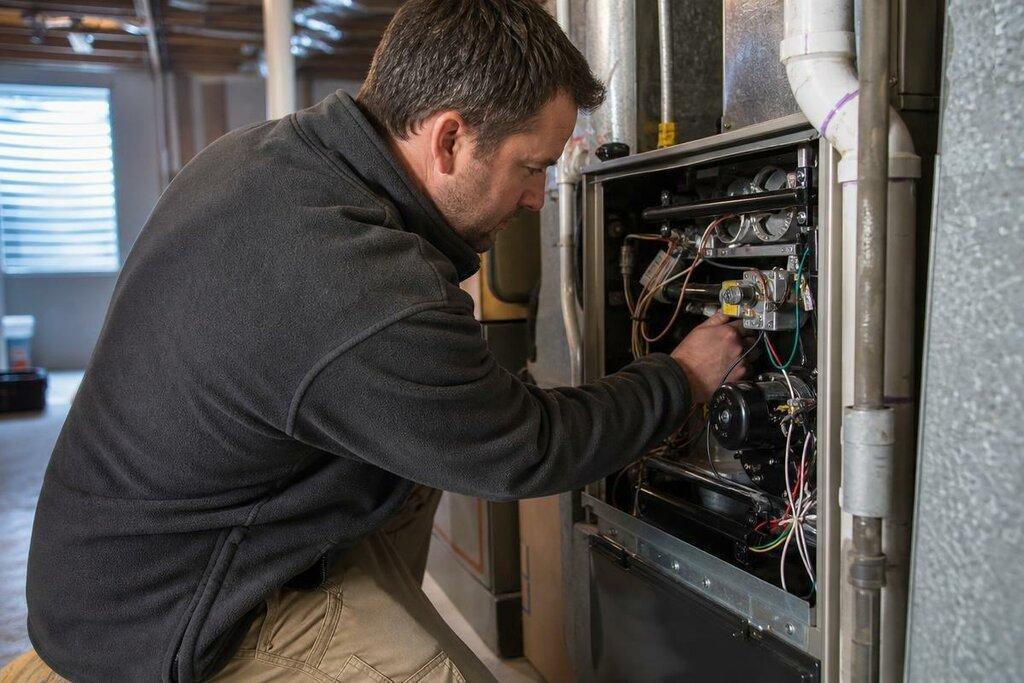
The company holds a BBB A+ Rating, is a BBB Accredited Business, and carries HomeAdvisor Screened and Approved and HomeAdvisor Elite Service recognition. Neighbors across Ada, Belmont, Cascade, and the broader Grand Rapids area have named them a Nextdoor Neighborhood Favorite. More than 5,500 customer reviews average 4.8 out of 5 stars, with homeowners frequently citing same-day response and named technicians—Andrew, Ivan, Connor, Sam, and Paul—who explain findings clearly.
The office is at 3325 3 Mile Road NW, Grand Rapids, MI 49534, serving Kent County communities from Byron Center to Rockford.
Frequently Asked Questions
How Do I Know If My Home Has Enough Insulation Before Calling for HVAC Service?
A quick attic check is a good starting point. If the floor joists are visible, insulation is likely below Michigan’s recommended R-49 level. Grapids Home Services technicians can spot insulation deficiency during a routine HVAC inspection and point toward the right next steps.
Can Poor Insulation Void My HVAC Manufacturer Warranty?
Some manufacturers require the system to operate within specified load conditions. If a unit repeatedly overheats or short cycles due to an unconditioned envelope, a warranty claim could be challenged. Review your documentation or ask a Grapids Home Services technician what operating conditions your equipment requires.
Is It Worth Upgrading Insulation If My HVAC System Is Already Old?
Adding insulation can lower energy bills and reduce strain, potentially extending remaining lifespan. However, if the system is past its expected service life, replacing the unit and improving insulation simultaneously is often the smarter investment. Grapids Home Services can provide an honest assessment of whether repair, replacement, or both makes financial sense.
How Much Can I Realistically Save on Energy Bills After Improving Insulation?
The U.S. Department of Energy estimates 10 to 20 percent savings on heating and cooling costs through air sealing and proper insulation. Results vary by home size, current insulation levels, and equipment efficiency. Grand Rapids winters are demanding, so homes in this region often see savings at the higher end of that range.
Does Humidity Play a Role in How Well My HVAC and Insulation Work Together?
Yes. Insulation that has absorbed moisture loses much of its thermal resistance, forcing the HVAC system to work harder. Grand Rapids experiences high humidity during spring and summer, making vapor barriers and proper ventilation just as important as insulation thickness.
Should I Schedule an HVAC Tune-Up Before or After Adding Insulation?
Scheduling a tune-up before adding insulation lets a technician confirm the system is functioning correctly and sized appropriately. Fixing existing equipment issues first ensures accurate performance data once insulation improvements are complete, so both investments work together from day one.
What Signs After an HVAC Service Visit Suggest Insulation Is Still the Root Problem?
If the system was recently serviced but uneven temperatures, drafts near windows or outlets, or difficult-to-control humidity persist, insulation gaps are a likely culprit. A freshly tuned system should maintain consistent comfort throughout the home. Persistent hot or cold spots after service are a clear signal to evaluate the building envelope.
About Grapids Home Services
Founded in 1999 and family-owned, Grapids Home Services provides HVAC, plumbing, and electrical services to Grand Rapids and surrounding West Michigan communities. The company holds a BBB A+ Rating and HomeAdvisor Screened and Approved credentials, and serves homeowners across Kent County from its office at 3325 3 Mile Road NW, Grand Rapids, MI 49534.
Business Name: Grapids Home Services
Address: 3325 3 Mile Road Northwest, Grand Rapids, MI 49534
Phone number: (616) 210-3456
HTML
<p><strong>Page Name: </strong>How Poor Home Insulation Affects Your HVAC System’s Performance in West Michigan<strong><br>Page Title: </strong>How Poor Home Insulation Affects Your HVAC System’s Performance in West Michigan | Grapids Home Services<strong><br>Meta Description:</strong> Poor home insulation forces your HVAC system to work harder and cost more. Learn how insulation impacts HVAC performance for West Michigan homeowners.<br><strong>Slug</strong>: /how-home-insulation-affects-hvac-system-west-michigan/</p>
<hr>
<h1>How Poor Home Insulation Affects Your HVAC System’s Performance in West Michigan</h1>
<p><span style=”color: #111827;” data-darkreader-inline-color=””>West Michigan winters are no joke. When insulation is thin, damaged, or missing, your HVAC system works much harder, producing higher energy bills, uneven temperatures, and premature equipment wear. </span><a href=”https://www.grheat.com/”>Grapids Home Services</a><span style=”color: #111827;” data-darkreader-inline-color=””> has been helping Grand Rapids homeowners solve these problems since 1999, and the connection between weak insulation and HVAC performance is one of the most common issues their team encounters.</span></p>
<p><img src=”../../../upload/images/2026/07/09/image_6a501ca5d6204.jpeg”></p>
<h2>Your HVAC System Is Only as Good as Your Home’s Insulation</h2>
<p><span style=”color: #111827;” data-darkreader-inline-color=””>In Grand Rapids, January temperatures regularly drop below 10°F, and humid Lake Michigan summers push cooling loads hard in the other direction. That wide seasonal swing exposes insulation gaps faster than almost any other climate in the country.</span></p>
<p><img src=”../../../upload/images/2026/07/09/image_6a501ca5e715c.jpeg”></p>
<p><span style=”color: #111827;” data-darkreader-inline-color=””>Your HVAC system generates conditioned air; insulation keeps that air inside your living space. When insulation fails in walls, attics, or crawl spaces, outside air infiltrates freely and equipment runs longer cycles trying to hit the thermostat setpoint. Those long run cycles cause accelerated mechanical wear and are frequently misdiagnosed as equipment failure. </span><a href=”https://www.grheat.com/hvac-services/heating-repair/”>Grapids Home Services’ heating repair services</a><span style=”color: #111827;” data-darkreader-inline-color=””> regularly uncover this pattern during diagnostic visits.</span></p>
<h2>What Happens to Your HVAC When Insulation Fails</h2>
<p><span style=”color: #111827;” data-darkreader-inline-color=””>When the thermal envelope has gaps, the system cannot hold the temperature the thermostat demands. Instead of cycling on, reaching setpoint, and shutting off, the furnace or air conditioner keeps running—producing faster wear, higher bills, and rooms that never feel comfortable.</span></p>
<p><img src=”../../../upload/images/2026/07/09/image_6a501ca600fe7.jpeg”></p>
<h3><span style=”color: #434343;” data-darkreader-inline-color=””>What causes an HVAC system to run longer cycles?</span></h3>
<p><span style=”color: #111827;” data-darkreader-inline-color=””>Poor insulation is the most common cause. Heat bleeds out through under-insulated attics, unsealed rim joists, and leaky crawl spaces faster than a furnace can replace it. During West Michigan cold snaps, homes in older neighborhoods like Heritage Hill and Westside often see furnaces run for hours without cycling off—a direct sign of heat loss through an inadequate thermal envelope.</span></p>
<h3><span style=”color: #434343;” data-darkreader-inline-color=””>Your Equipment Wears Out Faster</span></h3>
<p><span style=”color: #111827;” data-darkreader-inline-color=””>Every mechanical component—blower motors, heat exchangers, compressors, capacitors—has a rated duty cycle assuming roughly 8 to 10 hours of daily runtime. When insulation fails, runtimes can stretch to 14 to 16 hours per day, nearly doubling wear on every moving part. A compressor or blower motor that should last 15 years may fail in 8 or 9 instead. Grapids Home Services technicians trace these premature failures back to insulation problems homeowners didn’t know existed.</span></p>
<h3><span style=”color: #434343;” data-darkreader-inline-color=””>Your Energy Bills Climb Higher</span></h3>
<p><span style=”color: #111827;” data-darkreader-inline-color=””>The U.S. Department of Energy estimates that combining air sealing with adequate insulation can reduce heating and cooling costs by up to 15 percent. Targeted improvements make a real difference:</span></p>
<ul>
<li><span style=”color: #111827;” data-darkreader-inline-color=””>Blown-in attic insulation to meet current R-value recommendations</span></li>
<li><span style=”color: #111827;” data-darkreader-inline-color=””>Air sealing at the top plate to close bypasses between conditioned and unconditioned space</span></li>
<li><span style=”color: #111827;” data-darkreader-inline-color=””>Rim joist insulation and crawl space wall insulation to stop cold-air infiltration at the foundation</span></li>
</ul>
<p><span style=”color: #111827;” data-darkreader-inline-color=””>Most Grand Rapids homes built before 1980 have attic insulation at R-11 to R-19, well below Michigan’s current R-49 recommendation. Older balloon-framed homes in Rockford and Grandville frequently have completely unsealed rim joists. Addressing the envelope and the equipment together—rather than just swapping an aging furnace—is usually the smarter, more cost-effective path.</span></p>
<h2>Why Grand Rapids Homeowners Trust Grapids Home Services</h2>
<p><span style=”color: #111827;” data-darkreader-inline-color=””>Grapids Home Services has been diagnosing insulation-driven HVAC problems in West Michigan since 1999. Founder D. Nathan Engelsma built the company on honest answers and skilled work. Technicians look at the whole system—from attic bypasses in Comstock Park to rim joist gaps in East Grand Rapids—not just the equipment in the mechanical room.</span></p>
<p><img src=”../../../upload/images/2026/07/09/image_6a501ca60ea58.jpeg”></p>
<p><span style=”color: #111827;” data-darkreader-inline-color=””>The company holds a BBB A+ Rating, is a BBB Accredited Business, and carries HomeAdvisor Screened and Approved and HomeAdvisor Elite Service recognition. Neighbors across Ada, Belmont, Cascade, and the broader Grand Rapids area have named them a Nextdoor Neighborhood Favorite. More than 5,500 customer reviews average 4.8 out of 5 stars, with homeowners frequently citing same-day response and named technicians—Andrew, Ivan, Connor, Sam, and Paul—who explain findings clearly.</span></p>
<p><span style=”color: #111827;” data-darkreader-inline-color=””>The office is at 3325 3 Mile Road NW, Grand Rapids, MI 49534, serving Kent County communities from Byron Center to Rockford.</span></p>
<h2>Frequently Asked Questions</h2>
<h3><span style=”color: #434343;” data-darkreader-inline-color=””>How Do I Know If My Home Has Enough Insulation Before Calling for HVAC Service?</span></h3>
<p><span style=”color: #111827;” data-darkreader-inline-color=””>A quick attic check is a good starting point. If the floor joists are visible, insulation is likely below Michigan’s recommended R-49 level. Grapids Home Services technicians can spot insulation deficiency during a routine HVAC inspection and point toward the right next steps.</span></p>
<h3><span style=”color: #434343;” data-darkreader-inline-color=””>Can Poor Insulation Void My HVAC Manufacturer Warranty?</span></h3>
<p><span style=”color: #111827;” data-darkreader-inline-color=””>Some manufacturers require the system to operate within specified load conditions. If a unit repeatedly overheats or short cycles due to an unconditioned envelope, a warranty claim could be challenged. Review your documentation or ask a Grapids Home Services technician what operating conditions your equipment requires.</span></p>
<h3><span style=”color: #434343;” data-darkreader-inline-color=””>Is It Worth Upgrading Insulation If My HVAC System Is Already Old?</span></h3>
<p><span style=”color: #111827;” data-darkreader-inline-color=””>Adding insulation can lower energy bills and reduce strain, potentially extending remaining lifespan. However, if the system is past its expected service life, replacing the unit and improving insulation simultaneously is often the smarter investment. Grapids Home Services can provide an honest assessment of whether repair, replacement, or both makes financial sense.</span></p>
<h3><span style=”color: #434343;” data-darkreader-inline-color=””>How Much Can I Realistically Save on Energy Bills After Improving Insulation?</span></h3>
<p><span style=”color: #111827;” data-darkreader-inline-color=””>The U.S. Department of Energy estimates 10 to 20 percent savings on heating and cooling costs through air sealing and proper insulation. Results vary by home size, current insulation levels, and equipment efficiency. Grand Rapids winters are demanding, so homes in this region often see savings at the higher end of that range.</span></p>
<h3><span style=”color: #434343;” data-darkreader-inline-color=””>Does Humidity Play a Role in How Well My HVAC and Insulation Work Together?</span></h3>
<p><span style=”color: #111827;” data-darkreader-inline-color=””>Yes. Insulation that has absorbed moisture loses much of its thermal resistance, forcing the HVAC system to work harder. Grand Rapids experiences high humidity during spring and summer, making vapor barriers and proper ventilation just as important as insulation thickness.</span></p>
<h3><span style=”color: #434343;” data-darkreader-inline-color=””>Should I Schedule an HVAC Tune-Up Before or After Adding Insulation?</span></h3>
<p><span style=”color: #111827;” data-darkreader-inline-color=””>Scheduling a tune-up before adding insulation lets a technician confirm the system is functioning correctly and sized appropriately. Fixing existing equipment issues first ensures accurate performance data once insulation improvements are complete, so both investments work together from day one.</span></p>
<h3><span style=”color: #434343;” data-darkreader-inline-color=””>What Signs After an HVAC Service Visit Suggest Insulation Is Still the Root Problem?</span></h3>
<p><span style=”color: #111827;” data-darkreader-inline-color=””>If the system was recently serviced but uneven temperatures, drafts near windows or outlets, or difficult-to-control humidity persist, insulation gaps are a likely culprit. A freshly tuned system should maintain consistent comfort throughout the home. Persistent hot or cold spots after service are a clear signal to evaluate the building envelope.</span></p>
<h2>About Grapids Home Services</h2>
<p><span style=”color: #111827;” data-darkreader-inline-color=””>Founded in 1999 and family-owned, Grapids Home Services provides HVAC, plumbing, and electrical services to Grand Rapids and surrounding West Michigan communities. The company holds a BBB A+ Rating and HomeAdvisor Screened and Approved credentials, and serves homeowners across Kent County from its office at 3325 3 Mile Road NW, Grand Rapids, MI 49534. </span></p>
<p><strong>Business Name:</strong> Grapids Home Services<br><strong>Address: </strong>3325 3 Mile Road Northwest, Grand Rapids, MI 49534<br><strong>Phone number: </strong>(616) 210-3456</p>
<p><iframe src=”https://www.google.com/maps/embed/v1/place?key=AIzaSyAfklijzlihaFVFoPDXh8K39OnYGDyEs5Q&q=Grapids%20Home%20Services%2C%203325%203%20Mile%20Road%20Northwest%2C%20Grand%20Rapids%2C%20MI%2049534″ width=”600″ height=”300″ style=”border:0″ allowfullscreen loading=”lazy” referrerpolicy=”no-referrer-when-downgrade”></iframe</p>