

Residential development has entered a period where capital priorities are influencing far more than site selection or pricing. Investor preferences are now shaping design decisions, tenure models, sustainability features, and even how communities integrate retail and services. Developers aren’t simply building homes anymore — they’re responding to capital behavior, demographic change, and risk tolerance.
The result? Housing that reflects funding structures as much as buyer demand.
This shift is visible across global markets. Capital is flowing toward rental housing, mixed-use environments, and energy-conscious projects, while rising construction costs and supply shortages are forcing new forms of efficiency. Investors want resilience. Developers want feasibility. Buyers want livability. Those forces are intersecting in fascinating ways.
For professionals tracking opportunities through platforms such as Stellar Residence, understanding these investment signals is no longer optional. It’s strategy.
Let’s explore how funding priorities are shaping the homes being delivered today — and what lies ahead.
Capital Flows Are Reshaping Residential Supply
Investment behavior often acts as a leading indicator for housing supply. Where capital moves, development follows.
According to the World Investment Report 2023 by UNCTAD, global real estate investment reached roughly $379 billion in 2022, with residential and mixed-use properties accounting for more than 30% of cross-border activity. That concentration highlights how housing has become a preferred destination for institutional capital seeking stable income streams.
Yet there’s nuance.
Greenfield real estate construction projects declined 5% year-over-year, signaling that investors are becoming selective. Instead of large-scale speculative developments, capital is flowing toward projects with predictable demand, strong absorption potential, and diversified revenue sources.
Why the hesitation?
- Higher borrowing costs
- Construction cost volatility
- Demand uncertainty in certain ownership segments
This doesn’t mean investment is slowing. It means investment is becoming targeted.
Developers who align with these priorities — especially those collaborating with local property investment experts — often gain faster access to funding, improved deal structuring, and deeper insight into buyer behavior.
Housing Shortages Are Driving Multifamily Expansion
Supply shortages remain a powerful catalyst shaping development decisions. Scarcity attracts capital, particularly when rental demand remains strong.
The Freddie Mac Housing Supply Report 2024 estimates the U.S. housing shortfall at approximately 3.7 million units. That deficit alone is influencing allocation decisions among both domestic and international investors.
Multifamily construction is absorbing much of that demand pressure.
Completions rose 22% year-over-year, reflecting developers’ response to affordability challenges and demographic shifts. Renters are staying renters longer. Younger households face higher entry barriers. Investors are noticing.
But rising construction costs — up roughly 30% since 2020 — complicate feasibility. Developers must balance unit density, design efficiency, and amenity value without pricing projects beyond market acceptance.
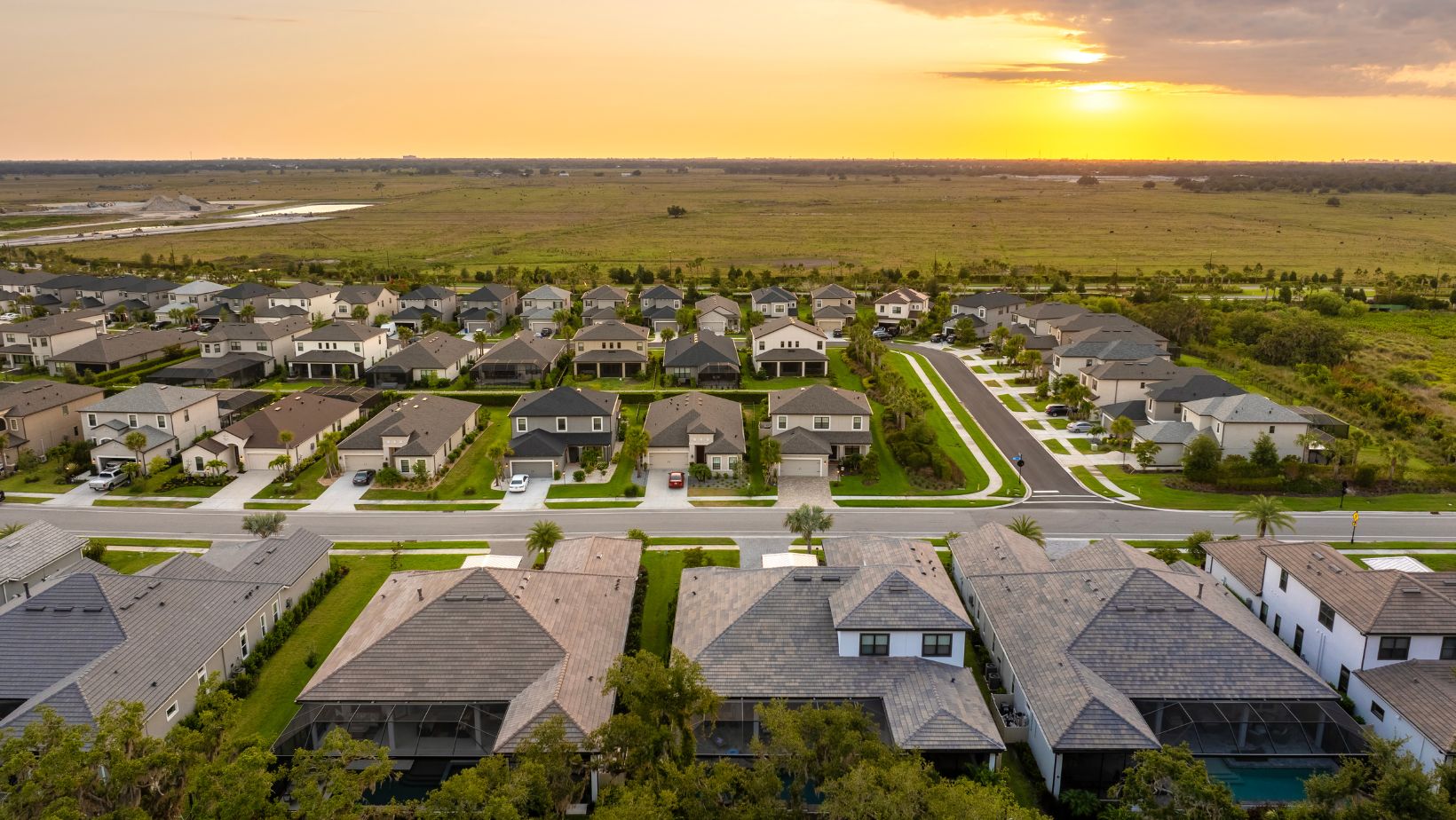
That tension is producing:
- Smaller unit footprints paired with stronger shared amenities
- Modular construction experimentation
- Hybrid ownership and rental communities
Efficiency. Creativity. Adaptation.
Rental Housing Is Now a Core Investment Strategy
Rental demand has moved from cyclical to structural.
The PwC and Urban Land Institute Global Real Estate Outlook 2024 found that 68% of investors view residential property as offering attractive risk-adjusted returns. More notably, 56% reported increasing allocations specifically to rental housing and build-to-rent projects.
That shift is influencing development patterns in several ways.
Long-Term Hold Strategies Are Changing Design
Investors holding assets for income prioritize durability, operational efficiency, and tenant retention. This translates into:
- Flexible layouts supporting remote work
- Enhanced acoustic privacy
- Technology-enabled property management
- Community-focused amenities that encourage longer tenancy
The goal isn’t rapid resale. It’s stable occupancy.
Build-to-Rent Communities Are Expanding
Build-to-rent developments bridge the gap between apartment living and single-family homeownership. Investors favor them because they combine predictable income with strong tenant appeal.
These communities often include:
- Private outdoor space
- Pet-friendly infrastructure
- Shared recreational areas
- Professional property management
Buyers who delay ownership still want space, comfort, and identity. Build-to-rent provides that.
Mixed-Use Development Is Becoming an Investment Hedge
Single-use residential projects expose investors to concentrated risk. Mixed-use developments offer diversification.
Retail, office, co-working, healthcare, and hospitality components provide multiple income streams while enhancing residential desirability. Residents benefit from convenience. Investors benefit from risk distribution.
It’s a practical alignment.
Housing data from the U.S. Census Bureau Housing Starts Survey shows multifamily construction representing more than 30% of total housing activity, reinforcing the appeal of density and integrated services.
Mixed-use environments also support:
- Walkability and lifestyle convenience
- Higher tenant retention
- Stronger land utilization efficiency
And perhaps most importantly, they respond to how people actually live.
Sustainability Is Influencing Capital Allocation
Environmental considerations have moved beyond regulatory compliance. They now affect financing availability, investor perception, and tenant appeal.
Nearly 70% of investors surveyed in the PwC and ULI report indicated increased capital allocation toward energy-efficient and environmentally conscious housing.
This trend is influencing development across multiple dimensions.
Energy Efficiency as a Value Driver
Developments featuring energy-efficient systems often experience:
- Lower operating costs
- Higher tenant satisfaction
- Improved asset valuation
- Greater financing appeal
Sustainability is no longer a niche preference. It’s a financial variable.
Material Selection and Lifecycle Planning
Developers are also considering lifecycle costs, not just upfront expenses. Durable materials, efficient insulation, and smart water management systems contribute to long-term asset performance.
Investors appreciate predictability. Sustainability contributes to it.
Pricing Pressures Are Reshaping Buyer Expectations
Affordability constraints are influencing both investor strategy and consumer behavior.
The Census Bureau reported median new home prices reaching roughly $428,600 in 2023. That pricing environment pushes many buyers toward rental options, shared ownership models, or smaller units in well-located developments.
Investors recognize this shift.
Instead of maximizing unit size, developers are focusing on perceived value — location, amenities, community design, and accessibility.
Buyers aren’t always seeking larger homes. They’re seeking better living experiences.
Amenity Expectations Are Rising
Even in mid-market developments, buyers and renters expect:
- Co-working areas
- Fitness and wellness spaces
- Smart home features
- Outdoor gathering zones
Lifestyle value can offset smaller living space. Developers who understand that dynamic often achieve stronger absorption rates.
Urban Growth Is Driving Global Residential Opportunity
Residential investment trends aren’t limited to mature markets. Emerging economies are becoming major growth drivers.
According to the Global Construction Market Forecast by Oxford Economics, residential construction output is expected to grow 42% by 2030, reaching approximately $8.3 trillion. More than 55% of that growth is projected to occur in emerging markets.
Urban population expansion is forecast to require over 96,000 new homes daily through 2030.
Pause for a second.
That level of demand reshapes investment priorities globally.
Investors are pursuing opportunities where population growth, infrastructure investment, and affordability intersect. Developers operating in these markets must balance scale, cost efficiency, and livability — a challenging but rewarding equation.
Technology and Data Are Influencing Development Strategy
Investor decisions are becoming more data-driven. Market analytics, tenant behavior insights, and predictive demand modeling now play roles in project planning.
Developers are using data to evaluate:
- Rental growth patterns
- Micro-market demand shifts
- Amenity utilization trends
- Construction cost forecasting
Technology also supports smarter building operations, which improves net operating income and investor appeal.
Efficiency matters. But so does adaptability.
Forward-Looking Trends Developers Should Watch
Where is residential investment heading next?
Several patterns are emerging.
Flexible Housing Models
Developments supporting hybrid living arrangements — short-term rentals, co-living, and fractional ownership — are gaining attention. These models diversify income while appealing to mobile professionals.
Wellness-Oriented Communities
Design that prioritizes mental and physical wellbeing is attracting both residents and capital. Green space, walkability, and access to services influence tenant retention and pricing power.
Infrastructure-Linked Development
Transit-oriented projects continue to draw investment due to their strong occupancy prospects and long-term appreciation potential.
Adaptive Reuse Opportunities
Converting underutilized commercial properties into housing is becoming a compelling response to supply shortages and urban change.
Investors favor flexibility. Developers who deliver it often gain competitive advantage.
Conclusion
Residential development is no longer shaped solely by buyer demand or land availability. Investment priorities now influence everything from project feasibility and unit design to sustainability features and community structure.
Capital is flowing toward rental housing, mixed-use communities, and environmentally conscious projects. Housing shortages and affordability pressures are driving multifamily growth, while rising construction costs require creative design and operational efficiency.
At the same time, buyer expectations are evolving. Amenities, flexibility, and lifestyle value carry growing weight. Emerging markets, population growth, and infrastructure expansion are creating new investment frontiers, while technology is enabling smarter development decisions.
For developers, investors, and real estate professionals, the message is clear.
Alignment between capital behavior and residential design is shaping the future of housing supply. Those who understand investor priorities — and adapt quickly — are positioned to capture opportunity, manage risk, and deliver communities that meet both financial and human needs.
The homes being built today are reflections of funding logic, demographic change, and shifting expectations.
And this evolution is only just beginning.