
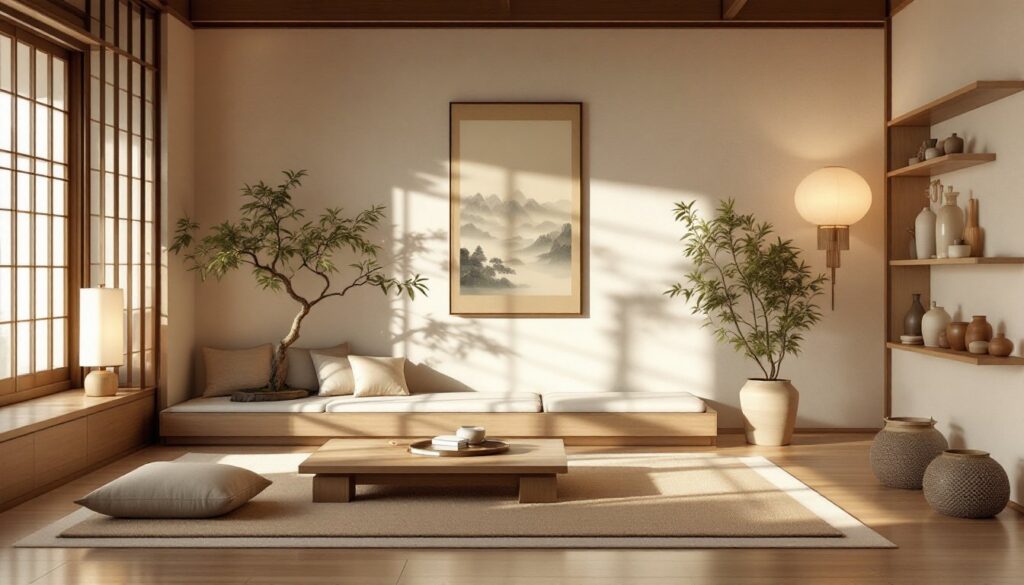
Oriental interior design has earned its place as a timeless aesthetic that blends function, philosophy, and visual harmony. Unlike trendy decor styles that fade quickly, oriental design philosophy rests on centuries of proven principles, balance, respect for natural materials, and intentional spacing. Whether someone wants to refresh a living room with subtle Eastern touches or fully commit to an oriental-inspired sanctuary, understanding the foundational concepts makes the difference between authentic elegance and mismatched exoticism. This guide walks through the core philosophy, essential design elements, and practical steps to bring oriental design into any home without requiring a complete renovation or expert-level skills.
Key Takeaways
- Oriental interior design philosophy prioritizes balance, negative space, and natural materials over trendy decorative objects, creating spaces that deepen with time rather than fade.
- The wabi-sabi principle embraces imperfection and natural aging—choosing one quality handcrafted piece over mass-produced items ensures authentic elegance in oriental design.
- Restrained color palettes of blacks, grays, warm whites, and muted earth tones form the foundation of oriental interiors, with red, gold, and jewel tones reserved for intentional accents.
- Soft, diffused lighting from paper lanterns and shoji-style screens is essential to oriental design, while harsh overhead lighting contradicts the calm, contemplative atmosphere the philosophy demands.
- Avoid cluttering and cultural caricature by understanding the context of each design element—authenticate pieces through local import shops and artisan platforms rather than mass-produced ‘Asian-inspired’ decor.
- Layer oriental design progressively with neutral walls, natural flooring, quality furniture pieces, and integrated plants to create intentional spaces that respect proportions and maintain clear sightlines.
Understanding Oriental Interior Design Philosophy
Oriental interior design doesn’t revolve around decorative objects or visual trends alone, it’s rooted in philosophical principles that shape every decision. The concept of balance, or harmony between opposing forces, underpins nearly every choice. A room shouldn’t feel cramped or sparse: instead, empty space becomes as important as the elements that occupy it. This respect for negative space distinguishes oriental design from Western maximalism.
The principle of wabi-sabi, finding beauty in imperfection and impermanence, also guides material choices and aesthetics. Rather than chasing flawless finishes, oriental design embraces the natural aging of wood, the subtle variations in handwoven textiles, and the character marks that come with time. This philosophy also means quality matters more than quantity. A single piece of carved furniture or a hand-painted screen carries more weight than a room full of mass-produced items.
Nature serves as both inspiration and material foundation. Water, wood, stone, and plants aren’t accents, they’re central to the design language. The goal is creating an environment that feels calm and grounded, reflecting natural principles rather than imposing human control.
Key Elements of Oriental Design
Color Palettes and Textures
Oriental design traditionally favors a restrained color palette rooted in natural tones. Blacks, deep grays, warm whites, and muted earth tones form the foundation, allowing other elements to stand out without visual chaos. Red and gold appear as accent colors, symbolizing prosperity and warmth, but never dominate the entire space. Jewel tones like jade green or deep blue also work well as secondary accents in textiles or artwork.
Texture creates depth without relying on bright colors. Natural silk, linen, raw wood, stone, and ceramics provide tactile richness. Rough-hewn wooden beams contrast against smooth rice paper or lacquered surfaces. Handwoven rugs and tapestries introduce pattern subtly. The goal isn’t uniformity but a cohesive feel where different textures coexist without clashing.
Furniture and Spatial Arrangement
Oriental furniture emphasizes clean lines, minimal ornamentation, and purposeful proportion. Low-profile seating, like floor cushions or low wooden benches, encourages a different relationship with space than high Western furniture. Pieces serve multiple functions: a wooden chest becomes both storage and seating. Rather than pushing all furniture against walls, oriental design often floats pieces to create conversational zones and preserve flow.
Wood remains the primary material, with lacquered finishes and carved details adding visual interest without excess. Metal accents in bronze, brass, or wrought iron appear sparingly. Screens and room dividers, either decorative or functional, define spaces without permanent walls, respecting the flexibility that characterizes oriental interiors. Plants, especially bamboo and bonsai, become architectural elements rather than afterthoughts.
Incorporating Oriental Design Into Your Home
Start small if you’re new to oriental design. A single accent wall painted in deep charcoal or soft taupe, paired with a large scroll painting or textile hanging, establishes the aesthetic without overwhelming the space. Many DIYers begin with a bedroom or home office, intimate spaces where the calm philosophy of oriental design delivers immediate practical benefits.
Source authentic materials thoughtfully. Handcrafted ceramics, natural wood furniture, and real stone or slate cost more upfront but outlast trendy pieces. Check local import shops, antique markets, and online artisan platforms for genuine pieces rather than mass-produced “Asian-inspired” decor. Understand the origin, Japanese minimalism differs from Chinese imperial richness, and Thai design carries different influences than Indonesian style. Authenticity doesn’t mean copying entire cultures, but it does mean understanding context.
Lighting plays a crucial role in oriental interiors. Soft, diffused light from paper lanterns, wall sconces, or shoji-style screens creates the contemplative atmosphere the design philosophy demands. Harsh overhead lighting contradicts the entire approach. If recessed lighting exists, add layers of softer ambient light through floor lamps with linen shades or bamboo fixtures.
Layering is the practical secret to success. Begin with a neutral wall color and natural flooring (wood or stone works best). Add a simple area rug in muted tones. Introduce furniture progressively, one quality piece at a time. Hang artwork or use wall-mounted shelving to display ceramics and carved objects. Plants should feel integrated, not just potted in corners. Each addition should feel intentional rather than accidental.
Common Mistakes to Avoid
The biggest pitfall is treating oriental design like a decoration style rather than a philosophy. Covering walls with mass-produced “Asian” posters, cheap paper lanterns, and random Buddha statues creates cultural caricature, not authentic space. Authenticity requires understanding why elements matter, not just assembling items that look vaguely Eastern.
Cluttering defeats the entire purpose. Oriental design demands restraint: empty wall space and unoccupied floor area are design features, not failures. If a room feels busy, remove items rather than rearranging them. Similarly, mixing orientalism with maximalist Western decor creates visual conflict. If someone loves collected items and full shelves, a fully oriental space may not suit their lifestyle, and that’s fine. Hybrid approaches work when they’re intentional, not accidental.
Ignoring proportions causes problems. A massive ornate wardrobe in a small bedroom overwhelms the space. Conversely, tiny delicate furniture in a large open room looks lost. Scale furniture to the room, maintain clear sightlines, and ensure enough open floor area for comfortable movement. Also avoid color chaos, adding too many colors, even in muted tones, breaks the calm foundation the philosophy establishes. Stick to three to four primary colors throughout the space.
Neglecting maintenance is another common error. Natural materials like wood, leather, and stone require care. Dust regularly, protect surfaces from direct sunlight that fades colors, and treat wood appropriately for your climate. Handcrafted pieces deserve respect: they’re investments in long-term home design.
Conclusion
Oriental interior design offers homeowners a thoughtful alternative to trend-driven decor. By grounding choices in philosophy rather than trends, spaces become calm, balanced, and enduring. Success comes from understanding foundational principles, sourcing quality materials, and exercising restraint. Whether integrating small touches or committing to a fully oriented room, the approach remains the same: prioritize quality, respect negative space, and let natural materials speak for themselves. A well-executed oriental interior doesn’t demand constant updating, it deepens with time.