
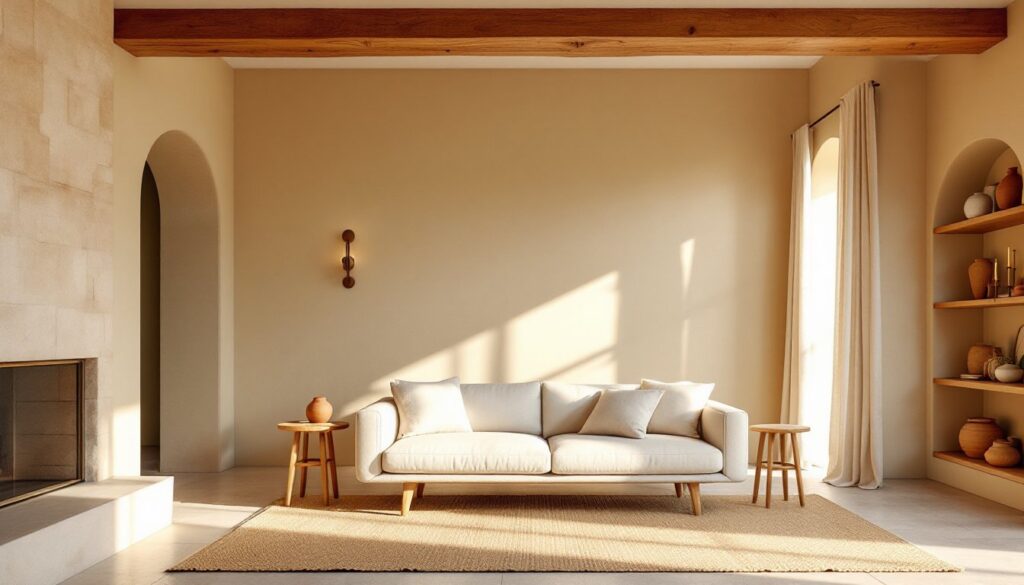
Modern Tuscan interior design has emerged as a compelling answer for homeowners seeking warmth without sacrificing clean lines and functionality. Unlike the heavy, ornate Tuscan aesthetic of the 1990s, today’s version strips away excess while keeping the soul of the style, terracotta, aged wood, and an earthy palette that feels both timeless and current. This approach works because it honors the rustic elegance of Tuscany’s countryside villas while respecting the minimalist sensibilities of contemporary design. Whether someone’s renovating a kitchen, updating a living room, or planning a full interior refresh, modern Tuscan offers a practical framework for creating spaces that feel both welcoming and intentional.
Key Takeaways
- Modern Tuscan interior design balances rustic warmth with contemporary minimalism by eliminating heavy ornamentation while preserving authentic materials like terracotta, aged wood, and earthy palettes.
- The color foundation relies on warm, matte earth tones such as ochre, burnt sienna, and soft olive, applied strategically to walls and complemented by natural fiber textures like rough plaster, unsealed stone, and reclaimed wood.
- Modern Tuscan furniture prioritizes simple, functional pieces in natural materials—solid wood tables with clean lines, linen upholstery, and visible joinery—that create collected yet uncluttered spaces with intentional flow.
- Lighting and architectural details, including wrought-iron fixtures, exposed beams, and stone accents, should be understated and purposeful rather than ornate, allowing natural light and material textures to take center stage.
- You can refresh any room with modern Tuscan style through incremental updates like wall paint, new lighting fixtures, open shelving, and quality natural materials, starting at under $5,000 for dramatic visual impact.
What Defines Modern Tuscan Style
Modern Tuscan design blends old-world charm with contemporary restraint. Rather than cramming every room with heavy ornaments and dark wood, the style favors open spaces, natural light, and a carefully curated mix of materials. Think of it as Tuscan bones with modern discipline: terra cotta and ochre walls, but paired with simple furnishings and uncluttered sightlines.
The key distinction is intentionality. Every piece serves a purpose. A wrought-iron light fixture isn’t purely decorative, it actually works hard to illuminate. A wooden beam might be structural or reclaimed, not faux-installed for aesthetics alone. This honesty appeals to contemporary sensibilities while maintaining the authentic Tuscan warmth that makes spaces feel inviting rather than cold.
Historically, Tuscan interiors reflected rural Italian farmhouse traditions: plaster walls, natural stone, hand-forged ironwork, and furnishings built to last. Modern Tuscan respects these roots but applies 21st-century principles: open floor plans, efficient layouts, integrated storage, and a neutral backdrop that lets personal pieces breathe. The result is a style that feels both grounded and lived-in, not like a museum or a themed restaurant.
The Tuscan Color Palette and Materials
Creating Warmth With Earth Tones
The foundation of modern Tuscan is its color story. Warm, earthy tones, ochre, terracotta, burnt sienna, warm beige, and soft olive, replace the heavy burgundy and forest green of earlier Tuscan interpretations. These colors aren’t just applied to walls: they’re woven into materials, finishes, and accents throughout the space.
Walls often start with a warm, matte finish in a soft ochre or pale terracotta. The key is restraint: one accent wall or subtle color variation across the main living area, not every surface painted a bold shade. Many modern Tuscan interiors use white or warm cream on trim and upper walls to open up the space, grounding the warmth in the lower half of the room and in furnishings.
Secondary hues pull from nature: warm grays (inspired by stone), burnt orange, sage green, and warm gold accents. These appear in textiles, artwork, and decorative objects, not as a competing wall color but as supporting notes in the overall composition.
Essential Textures and Finishes
Texture is where modern Tuscan really comes alive. Rough plaster finishes (either genuine or high-quality faux finishes) on walls create visual interest and authenticity. Unsealed or lightly waxed natural stone, limestone, travertine, or slate, for flooring or accent walls adds that aged, organic feel. Reclaimed or distressed wood, used sparingly in beams, shelving, or furniture, brings history without looking theatrical.
Plaster walls should be matte or eggshell, not glossy: glossy finishes read as cheap and break the illusion. Terracotta tile, if used on floors or as a backsplash, should be genuine (not laminate) and laid in a simple, traditional pattern, no trendy herringbone or complex layouts that fight the style’s grounded nature.
Metals matter. Forged wrought iron, bronze, and aged brass appear in hardware, light fixtures, and railings. These materials develop patina over time, reinforcing the lived-in aesthetic. Stainless steel works for appliances in a modern Tuscan kitchen because it’s utilitarian and doesn’t compete with the story of the finishes.
Furniture and Layout Principles
Furniture in a modern Tuscan space is functional and unfussy. Heavy, carved pieces don’t belong here: instead, focus on solid wood tables with simple lines, upholstered seating in natural linen or cotton, and pieces with visible joinery that shows how they’re made. A solid wood dining table with tapered legs is far more modern Tuscan than one with ornate turnings or flourishes.
Layout should prioritize flow and breathing room. Open shelving works well, wood shelves displaying pottery, glassware, or books, but only if items are thoughtfully arranged, not crammed. Closed cabinetry in natural wood finishes keeps clutter hidden while maintaining sight lines. A modern Tuscan living room feels collected but never crowded: someone should be able to walk from the sofa to the kitchen without navigating obstacles.
Upholstery favors natural fibers: linen in warm neutrals, cotton canvas, or wool. Avoid synthetic fabrics and overstuffed, oversized pieces. A simple linen sofa in cream or warm taupe, paired with accent pillows in ochre or sage, maintains the earthy palette without fussiness. Area rugs should be natural fiber, jute, wool, or sisal, in warm tones or traditional patterns that suggest age without being ornate.
Lighting and Architectural Details
Lighting in modern Tuscan design feels both ambient and purposeful. Pendant lights with wrought-iron frames or carved wood bases work beautifully over kitchen islands or dining tables. Wall sconces with aged brass or iron bases provide task and accent lighting in living areas and entryways. The key is avoiding overly ornate fixtures: clean-lined lanterns or simple drum shades fit the aesthetic far better than crystal chandeliers.
Natural light is paramount. Large windows or glass doors to outdoor spaces maximize daylight, which showcases the warmth of the color palette and material textures. Linen curtains in cream or warm white filter light without heavy draping: if window treatments are needed, simple Roman shades in natural fabric work well.
Architectural details anchor a modern Tuscan interior. Exposed wooden beams (whether reclaimed or structurally functional) draw the eye upward and create visual warmth. Arched doorways, stone accent walls, or a simple fireplace surround in stone or plaster add character without excess ornamentation. Corbels supporting shelves or a mantel should be carved simply, not ornately. Even subtle details, a honed limestone threshold, a hand-troweled plaster finish, or iron window grilles, tell the story of intentional, authentic design.
Bringing Modern Tuscan Into Your Home
Starting a modern Tuscan refresh doesn’t require a full renovation. A few strategic moves can shift a space dramatically. In a kitchen, replace light fixtures with wrought-iron or bronze pendants, install open shelving with wooden brackets for displaying dishware, and choose a warm, ochre-toned paint or plaster finish for an accent wall. Keep cabinets simple, flat-panel doors in natural wood or cream, and avoid shiny finishes.
In a living room, begin with wall color: a soft terracotta or warm beige sets the tone. Layer in a natural fiber area rug, simple upholstered seating in linen, and a solid wood coffee table or side tables. Add architectural character where possible, a stone accent wall, an arched doorway, or even a faux-beam installation if structural beams aren’t feasible. Lighting should include a mix of floor lamps with simple bases and wall sconces, all in wrought iron or aged brass.
For bedrooms, the palette becomes even softer: warm whites, pale ochre, and sage accents on upholstered pieces. A reclaimed wood headboard, linen bedding in cream or soft taupe, and simple nightstands in natural wood create an inviting retreat. Avoid heavily patterned wallpapers: instead, use paint, subtle plaster finishes, or a single accent wall.
When sourcing materials and pieces, focus on authenticity and longevity. Real terracotta tile, genuine stone, solid wood furniture, and quality metalwork cost more upfront but age beautifully and last decades. Faux finishes can work (a plaster-look paint, for instance), but they should be high-quality enough to read as intentional, not cheap. Reclaimed materials add genuine character: salvage yards, antique dealers, and architectural salvage specialists are goldmines for authentic beams, doors, and hardware.
Budget and timeline matter. A full modern Tuscan kitchen remodel (new cabinets, counters, flooring, lighting) can run $25,000–$60,000+ depending on region and material choices, but incremental updates, new hardware, paint, and lighting, can shift the aesthetic for under $5,000. Prioritize elements that have the biggest visual and functional impact: wall color, lighting, and key pieces of furniture. The rest can follow as budget and time allow.