
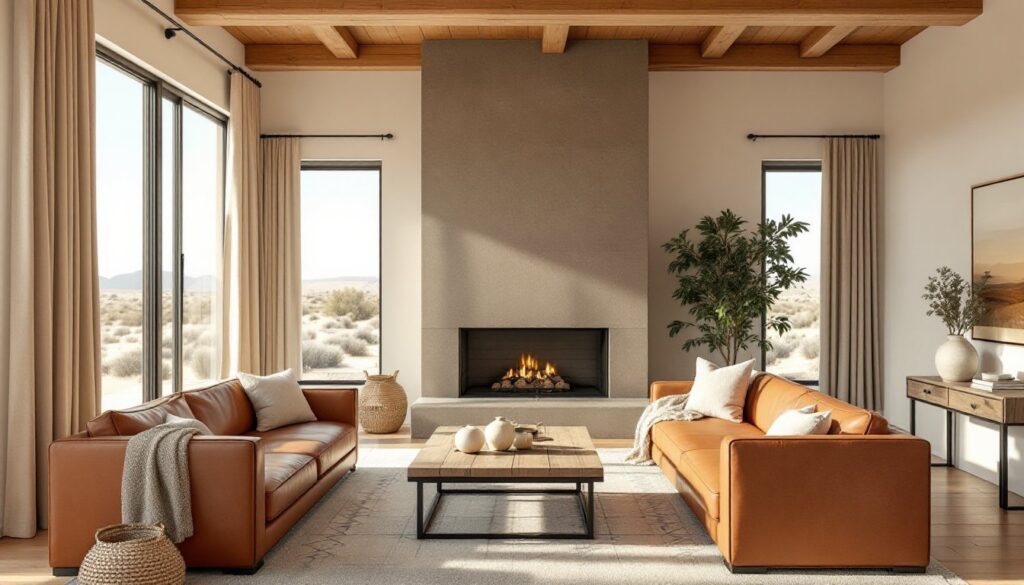
Western interior design has evolved beyond dusty ranch houses and kitsch longhorn decor. Today’s approach blends rustic authenticity with clean, contemporary lines, a style that appeals to homeowners seeking warmth without overwhelming maximalism. Modern western interior design works whether someone lives in the desert Southwest or a coastal city apartment. The key is understanding the foundational elements: natural materials, earthy color palettes, and functional furnishings that honor the region’s heritage while embracing 2026’s minimalist sensibility. This guide walks through the essentials for bringing authentic western style into any home, room by room.
Key Takeaways
- Modern western interior design blends rustic authenticity with clean, contemporary lines by emphasizing natural materials, earthy color palettes, and functional furniture that work anywhere, not just the Southwest.
- A successful western design color palette starts with neutral bases like cream or warm gray, then adds one primary accent color (burnt orange, terracotta, or sage) and one supporting neutral to create visual calm without clutter.
- Reclaimed wood, stone, leather, and handmade ceramics form the core of authentic western spaces, with each piece earning its place through durability, function, and genuine craftsmanship rather than decorative excess.
- Restraint and simplicity define modern western design—select a few well-chosen accessories and artwork that serve a purpose or tell a story, avoiding crowded shelves of memorabilia.
- Lighting fixtures like wrought iron sconces and Edison bulb chandeliers should feature sleek lines over ornate details, while fixtures and hardware should use oil-rubbed bronze or matte finishes instead of polished chrome.
- Western design works best when built slowly over time with good bones, key colors, and intentional pieces that feel collected rather than assembled overnight.
Define Western Design: Blending Tradition With Contemporary Style
Western interior design draws from the American frontier and Southwestern heritage, but modern interpretations strip away the clichés. Traditional western design relied heavily on dark wood, leather, and ornate metal work. The contemporary version keeps those DNA strands but simplifies. Think exposed wooden beams, but in lighter finishes or left raw. Wrought iron accents remain, but used sparingly and with geometric restraint. The central philosophy: every piece should earn its place, not compete for attention.
Authentic western style respects materials and their origins. A reclaimed wood dining table isn’t just decorative, it carries history and texture. Handmade ceramic tiles or woven textiles connect to the craftsmanship of Southwestern artisans. Modern western design also embraces functionality: pieces should work hard, just like homesteaders’ furniture once did. This isn’t nostalgia for its own sake, it’s about creating spaces that feel grounded, durable, and intentional. Combine that ethos with clean sight lines, neutral backgrounds, and strategic pops of color, and suddenly western design feels current, not dated.
Color Palettes That Capture The Spirit Of The West
Start with a neutral base: warm creams, soft taupes, warm grays, and light sandstone tones. These colors reference the natural landscape, desert sand, bleached bone, adobe walls, without feeling sterile. They also provide the breathing room needed for modern western design to avoid looking cluttered.
Accent colors come from the region’s geology and vegetation. Burnt orange, terracotta, and rust tones echo canyon rock and clay. Deep sage, muted olive, and dusty green pull from juniper and desert scrub. You’ll often see these accents in a single feature wall, cabinetry, or upholstery rather than scattered throughout. A secondary palette might include soft navy or charcoal for grounding darker pieces like exposed wood beams or wrought iron.
The restraint matters. A room with five competing warm tones reads as chaotic. Instead, pick a base (cream or warm gray), one primary accent (terracotta or sage), and one supporting neutral (charcoal or soft white). This creates visual calm while still honoring western warmth. Paint a single accent wall, choose upholstery in one key color, and let natural materials, wood, stone, plaster, do the rest.
Essential Furniture And Materials For Authentic Western Spaces
Reclaimed wood is the workhorse material in modern western design. Exposed wooden beams (whether actual structural elements or decorative faux beams) add character and warmth. Dining tables, shelving, and accent walls made from old barn wood or salvaged flooring carry authenticity. If budget or sourcing makes genuine reclaimed pieces challenging, weathered or hand-finished new wood offers a similar aesthetic without the premium price tag.
Stone and tile anchor spaces. Limestone or slate flooring, exposed stone fireplaces, or even stone accent walls reference the region’s geology. In kitchens and bathrooms, Saltillo tile (traditional Mexican clay tile) or Talavera tile (hand-painted ceramic) bring color and cultural connection. These materials age beautifully, developing patina that synthetic alternatives can’t match.
Furniture should prioritize function and durability. Leather furniture, worn-in sofas, armchairs, ottomans, fits naturally into western spaces. Metal frames, iron legs, and copper accents work without excess. Avoid overstuffed pieces: instead, choose solid wood frames with simple lines. Storage should be purposeful: wooden shelving, wrought iron wall-mounted racks, or antique cabinetry. Textiles like rugs, throws, and pillows should feature natural fibers, wool, linen, cotton, in solid tones or traditional patterns (geometric designs, Native American-inspired motifs). Skip synthetic fabrics that cheapen the aesthetic.
Lighting And Accessories: The Finishing Touches
Lighting in modern western design balances authenticity with functionality. Wrought iron sconces, rustic chandeliers with Edison bulbs, or pendant lights with metal shades fit the aesthetic. Avoid overly ornate fixtures: sleeker lines with iron or copper details work better than heavily embossed versions. Table lamps can use ceramic bases or repositioned antique vessels, paired with simple linen shades in cream or natural tones.
Accessories should feel collected, not curated. A few well-chosen pieces matter more than a shelf crowded with western memorabilia. Include functional items: enamelware, vintage scales, old pottery. Artwork can feature regional themes, landscape photography, Native American textiles, or local artisan prints, but again, edit ruthlessly. One large statement piece or a thoughtful gallery arrangement beats dozens of small items. Mirrors with metal frames, wooden bowls, woven baskets, and authentic vintage finds (saddles, bridles, old tools) work when they serve a purpose or tell a genuine story. Plants in ceramic or terracotta pots add life without clashing with the palette.
Western Design In Different Rooms
Living Rooms And Bedrooms
In living rooms, anchor the space with a fireplace if possible, a focal point that naturally suits western style. Pair it with stone or exposed brick surround. Furniture arrangement should feel open and purposeful: avoid floating islands of seating. A large wooden coffee table, leather seating, and simple window treatments (wood shutters, linen curtains) keep lines clean. Textiles add warmth: throw blankets in cream, rust, or olive, plus a wool rug in neutral tones with subtle geometric patterns.
Bedrooms benefit from the same restraint. A solid wood bed frame (either reclaimed or new timber) becomes the statement piece. Wrought iron headboards work if they’re elegant, not overwrought. Keep bedding neutral, linen sheets, a wool blanket, minimal pillows. Wall-mounted iron sconces eliminate bedside table clutter. A single piece of regional artwork above the bed ties the space together without overwhelming it.
Kitchens And Bathrooms
Kitchens work best with open shelving displaying handmade pottery, mason jars, and cookware. Cabinetry can be natural wood (stained a warm medium tone) or painted cream with wrought iron hardware. Countertops in butcher block, stone, or concrete tie into natural material choices. A tile backsplash in Saltillo or simple geometric patterns adds visual interest without chaos.
Bathrooms feel spa-like with stone flooring, a natural wood vanity, and Talavera tile accents. A clawfoot tub (if space permits) anchors the room. Mirrors with iron or wood frames, simple metal hardware, and natural lighting complete the aesthetic. Both spaces should avoid chrome and polished finishes: instead, choose oil-rubbed bronze, matte black, or natural copper for fixtures.
<h2 id="” data-id=””>The Bottom Line
Modern western interior design works because it respects both heritage and contemporary taste. Homeowners don’t need to live in the Southwest or own a ranch to embrace the style. The fundamentals, natural materials, earthy palettes, functional furniture, and thoughtful restraint, translate anywhere. Start with good bones, stick to a few key colors, and add pieces slowly. Western design done well feels collected over time, not assembled overnight. That’s where its genuine warmth comes from.