
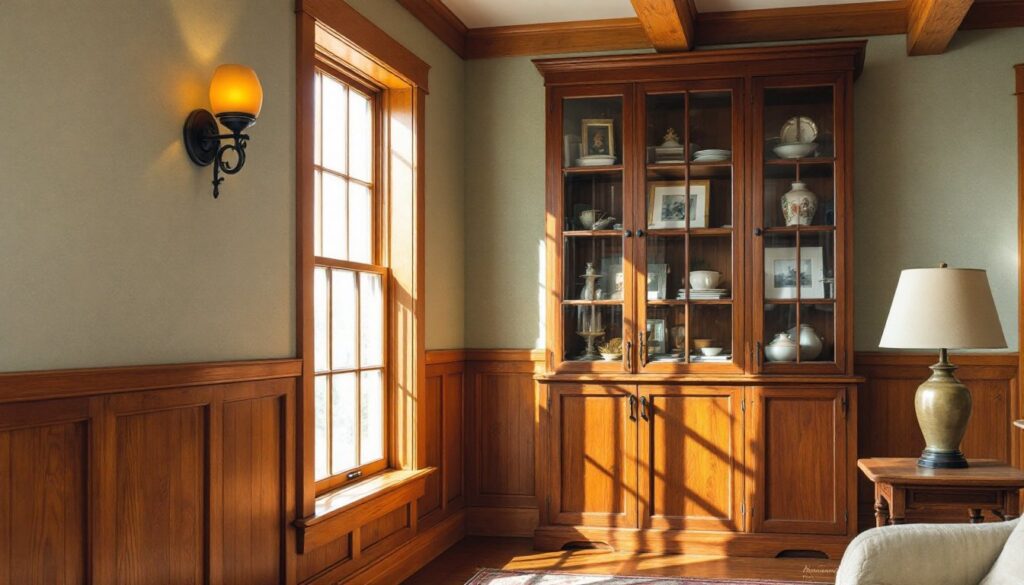
Craftsman style interior design has endured for over a century because it prioritizes quality, honest construction, and visible details over mass production and hidden shortcuts. Unlike trendy aesthetics that fade in a few years, craftsman design celebrates hand-finished wood, authentic materials, and functional beauty. Whether someone’s restoring a historic bungalow or simply craving warmth in a modern space, craftsman principles deliver timeless appeal. This guide covers the core design elements, specific materials and fixtures, and practical ways to infuse craftsman character into any home, even when starting from scratch or mixing styles.
Key Takeaways
- Craftsman style interior design prioritizes quality, honest construction, and visible details, creating timeless interiors that age gracefully rather than fade with trends.
- The three core craftsman principles—form follows function, materials are honest, and handwork matters—can be applied to modern homes without requiring a historic bungalow.
- Natural materials like quarter-sawn oak, walnut, and reclaimed wood, combined with visible joinery and substantial trim work, are essential hallmarks of the craftsman aesthetic.
- Warm, earthy color palettes (sage green, warm ochre, deep reds) and matte wood finishes that reveal grain and patina create the authentic craftsman interior design look.
- Affordable craftsman updates include swapping fixtures to bronze or aged brass, painting walls warm muted colors, installing solid wood shelves on visible brackets, and choosing natural fabric textiles.
- Mixing craftsman elements with existing styles—such as pairing a natural linen sofa with wooden tables and bronze lighting—creates livable spaces that blend quality materials with personal preference.
Understanding Craftsman Interior Design Principles
Craftsman style emerged in the late 1800s as a reaction against factory-made, overly ornate Victorian design. The movement emphasized handwork, artistic integrity, and the idea that everyday objects should be beautifully made, not just functional. True craftsman interiors showcase visible joinery, hand-planed wood surfaces, and details that reveal how something was built.
At its heart, craftsman design follows three core principles. First, form follows function, every element serves a purpose, and that purpose should be clear. A window mullion isn’t there for show: it’s structurally necessary and visually prominent. Second, materials are honest, wood looks like wood, metal looks like metal, and finishes don’t hide what’s underneath. Third, handwork and quality matter more than quantity or cost. A single hand-stitched detail beats a dozen mass-produced ones.
These principles don’t require living in a 1920s bungalow. Modern homes can embrace craftsman values by choosing solid materials, displaying construction details rather than hiding them, and favoring fewer, well-made pieces over trend-driven collections.
Key Design Elements That Define the Craftsman Aesthetic
Recognizing craftsman hallmarks helps anyone identify and recreate the style. These elements work together, mix a few, and a space feels disconnected: nail them all, and the room breathes authenticity.
Natural Materials and Woodwork
Wood is the soul of craftsman interiors. Look for exposed ceiling beams (often 4×6 or 6×8 rough-sawn timber), visible shiplap or board-and-batten walls, and trim work that’s substantial and detailed. Quarter-sawn oak was a favorite during the original Arts and Crafts period because its grain pattern is striking and the wood accepts stain beautifully. Today, craftsmen also use walnut, cherry, and reclaimed barn wood.
Built-in cabinetry defines craftsman spaces. Proper craftsman built-ins feature mortise-and-tenon joinery (where a projecting tenon from one board locks into a hole in another, visible and structurally superior to nails). Glass-front cabinets with mullioned doors (divided into small panes by thin wooden frames called muntins) are hallmark details. Shelving sits on visible wooden brackets, not hidden hardware.
Wood trim molding deserves attention. Craftsman trim is often simpler than Victorian, but thicker and more carefully finished. Crown molding, chair rail, and baseboards are substantial (typically 3.5 to 5 inches tall for baseboards) and stained to complement the woodwork. Avoid thin, applied trim that looks flimsy.
Color Palettes and Finishes
Craftsman colors are warm and earthy. Think sage green, warm ochre, deep reds, warm grays, and cream. These aren’t pastel shades, craftsman interiors embrace saturation and depth. Walls are often a muted solid color or a subtle patterned wallpaper featuring geometric or nature-inspired designs (think acorns, leaves, or interlocking patterns).
Wood finishes are typically matte or satin, never high-gloss. Stains lean toward warm browns and amber tones rather than gray or whitewash finishes. A proper craftsman finish reveals wood grain and patina: it’s meant to age gracefully and show wear as evidence of use and durability. Paint finishes on trim and built-ins are usually eggshell or satin, which absorb light softly and resist gloss bounce.
Furniture and Fixtures for Craftsman Spaces
Furniture in craftsman homes emphasizes visible construction and solid wood. Look for pieces where joinery is evident, mortise-and-tenon joints, visible dowels, and flat-panel doors. Mission-style furniture (a craftsman subset) features straight lines, minimal curves, and slat backs on chairs and sofas.
Lighting is crucial and often overlooked. Craftsman fixtures are typically bronze, oil-rubbed bronze, or aged brass, never polished chrome. Glass shades feature matte finishes or amber tones. Pendant lights with simple geometric geometry and visible bulbs fit the aesthetic. Table lamps often have natural fabric shades (linen or cotton) in cream or warm tones.
Hardware, door handles, hinges, and cabinet pulls, should be bronze or wrought iron. Look for hand-forged details or simple, geometric shapes. Cheap pot-metal hardware ruins a well-executed space.
Textiles are a subtle but essential layer. Use natural fabrics: wool, linen, and cotton. Colors align with the palette, warm solids, subtle stripes, or small-scale geometric patterns. Avoid synthetic sheen or slippery finishes. A properly weighted linen curtain hangs with presence: a polyester panel looks cheap regardless of color.
Implementing Craftsman Design in Modern Homes
The good news: someone doesn’t need a historic house or unlimited budget to embrace craftsman principles. Modern construction often lacks the character of a 1920s bungalow, but intentional choices can bridge the gap.
Start with what’s permanent or difficult to change. If replacing kitchen or bathroom cabinetry, choose solid wood with visible joinery and glass-front doors. If doing new drywall, commission a carpenter to install board-and-batten or shiplap accent walls in key areas (a bedroom wall, hallway, or living room focal point). Add substantial trim and molding during remodels, it’s one of the highest ROI changes.
For renters or those with modest budgets, smaller moves work. Paint walls a warm, muted color. Swap out light fixtures for bronze or aged brass models with simple lines. Swap pressed-wood shelving for solid wooden shelves on visible brackets. Choose furniture pieces with visible wood joinery and natural upholstery. Hang textiles in natural fibers.
Mix craftsman elements with existing style, it’s more livable than a museum recreation. A modern sofa in a natural linen fabric fits a craftsman room if paired with a wooden side table, bronze lamp, and warm wall color. The key is choosing quality over quantity and favoring honesty in materials and construction over visual tricks.
Conclusion
Craftsman interior design isn’t precious or exclusive, it’s simply the result of respecting materials, celebrating handwork, and building for longevity. Whether restoring original details in an old home or layering craftsman principles into a new space, the approach is the same: choose solid wood, visible joinery, warm colors, and fixtures that show their construction. The payoff is a home that feels grounded, warm, and increasingly beautiful as it ages.