
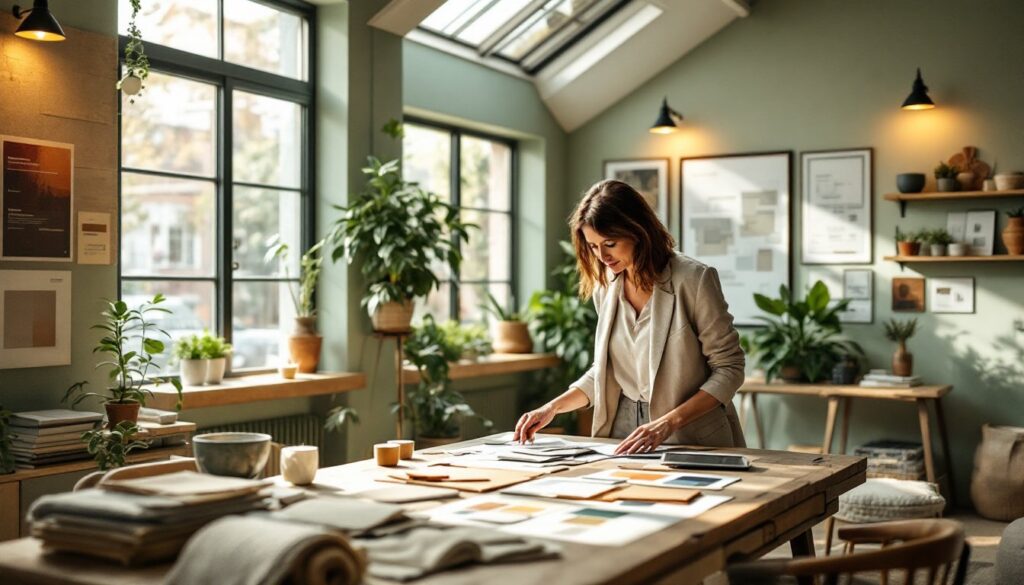
More homeowners and design professionals are asking the same question: how do you create beautiful, functional interior spaces without harming the environment? A sustainable interior design course answers that question head-on. Whether someone is renovating a kitchen, redecorating a bedroom, or starting a design career, understanding eco-friendly principles transforms how they approach materials, color, lighting, and overall space planning. This guide walks through what sustainable interior design actually means, what courses teach, and whether enrolling makes sense for your goals.
Key Takeaways
- A sustainable interior design course teaches holistic approaches to reducing waste, lowering energy consumption, and minimizing environmental harm through informed material choices and design strategies.
- Learn to distinguish genuine eco-friendly materials from greenwashing by understanding certifications like FSC-certified wood, GOTS textiles, and Cradle to Cradle standards, plus evaluating embodied carbon and transportation impact.
- Energy efficiency in sustainable design covers daylighting strategies, LED technology, passive heating and cooling methods, and smart lighting systems that reduce artificial lighting loads and HVAC strain.
- Professional designers, homeowners, contractors, and career-switchers benefit from sustainable interior design education to expand credentials, make informed renovation choices, and access the fast-growing green building market.
- Non-toxic finishes and low-VOC paints used in sustainable design directly improve indoor air quality and user health, creating safer living and working environments for families and employees.
What Is Sustainable Interior Design and Why It Matters
Sustainable interior design isn’t just about using recycled materials or slapping on a coat of eco-friendly paint. It’s a holistic approach that balances aesthetics, functionality, and environmental responsibility across the entire lifecycle of a space.
At its core, sustainable design reduces waste, lowers energy consumption, and minimizes harm to ecosystems. When someone applies these principles indoors, they’re making choices about durability, material sourcing, chemical exposure, and long-term impact. A sofa that lasts 15 years from sustainably harvested wood and natural fabrics beats buying three cheap sofas that end up in a landfill within five years.
Why does this matter now? Buildings account for roughly 40% of global carbon emissions, and interiors make up a significant portion of that footprint. Beyond climate, there’s the human factor. Off-gassing from synthetic fabrics, adhesives, and low-quality finishes degrades indoor air quality. Sustainable design practices eliminate or reduce these toxins, creating healthier living and working environments. For homeowners, this means fewer respiratory issues and better long-term wellness. For designers and contractors, sustainable credentials open doors to higher-end clients and new market opportunities. Courses teach both the why and the how, equipping professionals with tools to build careers around genuine environmental stewardship rather than marketing trends.
Core Topics Covered in Sustainable Interior Design Courses
A solid sustainable interior design course covers multiple interconnected disciplines. Here’s what you’ll typically encounter:
Eco-Friendly Materials and Sourcing Practices
This is the backbone of sustainable interiors. Students learn to distinguish between genuinely sustainable materials and greenwashing, materials marketed as green but lacking real environmental credentials.
Courses dig into certified wood options: FSC-certified lumber (Forest Stewardship Council), reclaimed hardwood, and bamboo, which grows back faster than traditional timber. They cover flooring alternatives like natural linoleum (linseed oil-based, not vinyl), cork, and recycled porcelain tile. Instructors explain the difference between virgin and recycled content in textiles and plastics, and how certifications like GOTS (Global Organic Textile Standard) and Cradle to Cradle guarantee minimal chemical use and worker safety.
A critical lesson: understanding embodied carbon and transportation impact. A locally sourced reclaimed brick has lower embodied carbon than virgin Italian marble shipped overseas. Courses teach students to evaluate lifecycle assessments, read material datasheets, and build supplier relationships that prioritize transparency.
You’ll also learn about non-toxic finishes, low-VOC or zero-VOC paints, natural sealers, and adhesives that don’t off-gas. This directly impacts indoor air quality and user health, especially in high-traffic commercial spaces or homes with children and pets.
Energy Efficiency and Lighting Design
Interiors consume energy primarily through heating, cooling, and lighting. Sustainable design courses address all three.
Students learn how daylighting, strategic window placement, light shelves, and skylights, reduces artificial lighting loads. They explore passive design principles: thermal mass, insulation strategies, window treatments that regulate heat gain and loss, and ventilation patterns that reduce HVAC strain.
For artificial lighting, the course covers LED technology, color temperature (warm vs. cool light and how it affects mood and circadian rhythm), and luminous efficacy (lumens per watt). Students calculate lighting requirements using foot-candle standards and learn to specify fixtures that balance ambiance with efficiency. A smart lighting system that dims or adjusts based on occupancy and daylight sensors cuts energy use dramatically, and courses explain both the technology and the cost-benefit analysis.
The intersection of daylighting, artificial lighting, and sustainable materials is crucial. A room with northern exposure needs warm-toned light and reflective surfaces to compensate, while south-facing glass benefits from thermal mass and thermal breaks to prevent overheating. Courses train students to think systemically: every design choice ripples.
Who Should Enroll in a Sustainable Interior Design Course
A sustainable interior design course appeals to several audiences, each with different objectives.
Professional designers and architects enroll to formalize and expand sustainable credentials. Many firms now market themselves as green-certified specialists, and clients actively seek out designers with verified training. LEED accreditation and WELL Building Standard credentials boost job prospects and allow designers to charge premium fees for expert services.
DIY homeowners take courses to make smarter renovation choices. Understanding material sourcing, energy-efficient lighting, and non-toxic finishes means tackling remodels with confidence. Instead of relying on contractor recommendations (which may prioritize cost over sustainability), homeowners become well-informed choice-makers.
Contractors and builders benefit from sustainable knowledge to differentiate services and meet growing demand for green builds. A general contractor who understands embodied carbon, building certifications, and low-VOC specifications becomes a trusted partner for high-end residential and commercial projects.
Career-switchers and early-career professionals use these courses as entry points into interior design or to specialize within it. The green building sector is one of the fastest-growing segments in construction and design, with strong job growth projected through 2030.
Facilities managers and workplace designers increasingly need sustainable expertise. Modern commercial clients demand energy-efficient, healthy workspaces that attract talent and reduce operational costs. A facilities manager with sustainable design training can overhaul office interiors to boost productivity, wellness, and the company’s ESG (environmental, social, governance) profile.
Most reputable courses accommodate varying experience levels, from complete beginners to advanced practitioners seeking specialization.
Conclusion
A sustainable interior design course equips individuals with knowledge that spans materials science, building physics, environmental ethics, and design aesthetics. Whether enrolling to launch a career, strengthen a design business, or make better personal choices, the skills translate directly to practice. The demand for sustainable interiors continues growing as both consumers and regulatory bodies prioritize environmental responsibility and human health. Starting with education positions anyone, homeowner, designer, or contractor, to lead that shift.