
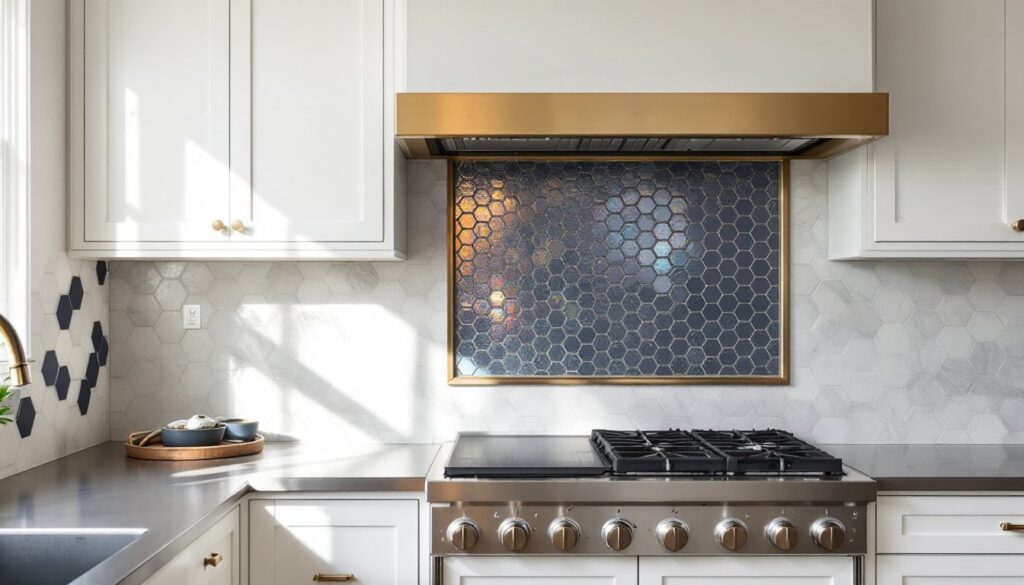
Kitchen wall tiles are no longer just a practical backsplash choice, they’re a design statement that sets the tone for your entire culinary space. Whether you’re planning a complete kitchen renovation or simply refreshing your existing backsplash, the latest kitchen wall tiles design trends in 2026 reflect a shift toward both aesthetics and functionality. From minimalist elegance to bold geometric experiments, today’s homeowners have unprecedented freedom to express their style while maintaining durability and ease of maintenance. This guide walks through seven modern trends that are reshaping kitchens across the country, helping you understand what’s possible and how to choose designs that work for your home’s layout, lighting, and everyday use.
Key Takeaways
- Kitchen wall tiles design in 2026 combines aesthetics with functionality, from minimalist subway tiles to bold geometric patterns that create visual impact without overwhelming small spaces.
- Large format tiles (12×24 inches or larger) dominate modern kitchen design by minimizing grout lines, expanding visual space, and requiring professional installation for optimal adhesion and durability.
- Sustainable and eco-friendly tile options like recycled glass and reclaimed wood are gaining popularity, typically costing 10–20% more but offering superior durability and low VOC emissions.
- Natural stone tiles bring organic warmth but demand more maintenance, including food-safe sealing before installation and reapplication every 1–2 years to prevent staining and water damage.
- Mixed materials and accent wall combinations add sophistication by layering different tile finishes and textures strategically behind the stove or above countertops.
- Always verify tile products meet ANSI standards for wet areas before installation, as mismatched materials with different absorption rates can fail within months.
Minimalist Subway Tiles With a Contemporary Twist
The classic subway tile, that 3-by-6-inch ceramic or glass rectangle, remains a kitchen staple, but 2026 updates push it beyond the traditional white-on-white grid. Instead of running tiles in the standard running-bond pattern (where each tile sits centered over the one below), designers now experiment with herringbone, vertical stacking, and mixed orientations to add visual depth without abandoning simplicity.
Contemporary variations include matte finishes instead of glossy glazes, soft grays, warm creams, and even pale blues. Some homeowners pair oversized subway tiles (6-by-12 inches) with minimal grout lines to create a streamlined look. The seams feel less prominent when using matching grout, a technique called “color matching”, which reduces visual clutter while maintaining structural integrity.
Subway tiles remain popular because they’re forgiving to install, readily available, and adaptable to almost any kitchen style. If you’re comfortable with a trowel and grout float, a standard 3-by-6 subway backsplash is an achievable DIY weekend project. Use white or gray unsanded grout in a thin consistency to avoid staining light tiles, and apply it with a rubber grout float held at a 45-degree angle. Always wear dust mask and goggles when grouting, as silica-rich grout dust poses respiratory risks.
Bold Geometric Patterns and Color Blocking
If minimalism feels too safe, geometric patterns and color blocking bring personality to kitchen walls. Trending designs include hexagonal tiles, moroccan-inspired patterns, and large-scale checkerboards in contrasting colors, typically pairing dark navy or forest green with crisp white or soft gray.
These patterns work best in accent walls behind the stove or above the countertop in a focal area, rather than wrapping your entire kitchen. The reason: bold patterns fatigue the eye if overused and can make a small kitchen feel cramped. A 4-by-8-foot section of geometric tile creates high impact without overwhelming the space.
When planning color-blocked designs, consider how natural and artificial lighting affects the tiles throughout the day. Matte finishes absorb light and deepen colors, while glossy surfaces reflect brightness and can make colors appear lighter. Pre-visualize with physical samples in your actual kitchen before committing.
For installation, geometric tiles often require more precision. If the pattern involves offsets or varied shapes, you’ll benefit from spacers (usually plastic cross-shaped markers in 1/8 or 1/4-inch sizes) to maintain consistent grout lines. This is a good candidate for professional installation if tile cutting and pattern matching feel beyond your comfort level.
Natural Stone and Textured Finishes
Natural stone tile, marble, slate, limestone, and granite, brings organic warmth and uniqueness to kitchen backsplashes. Each stone slab carries natural color variation and veining, so no two installations look identical. Textured finishes (honed or tumbled) create a tactile, lived-in feel that contrasts with sleek, polished countertops.
Stone tiles do require more maintenance than ceramic or glass. Marble is porous and stains from acidic liquids like lemon juice or vinegar: slate can flake if struck hard: granite is durable but needs periodic sealing. Always apply a food-safe penetrating sealer to natural stone before grouting, following the manufacturer’s instructions. Reapply every 1–2 years depending on kitchen use.
Use epoxy or urethane grout instead of standard cement grout on stone tile. These are less porous, resist staining, and handle stone’s slight thermal expansion better. Expect to pay roughly $8–15 per square foot for stone tile material, plus installation labor.
One practical note: honed or tumbled stone tiles have uneven surfaces, so spreading mortar (called thinset) requires a slightly larger trowel notch (typically 1/2-inch rather than 3/8-inch) to achieve full-coverage contact. Gaps under tiles are a common failure point that leads to water infiltration and mold.
Large Format Tiles for Seamless, Spacious Aesthetics
Large format tiles, typically 12-by-24 inches, 24-by-36 inches, or even 36-by-48 inches, dominate 2026 kitchen design because they visually expand a space and minimize grout lines. Fewer seams means a cleaner aesthetic and easier maintenance (less grout to collect debris and stain).
These oversized tiles work well in kitchens with high ceilings or open-concept layouts where continuity matters. They pair beautifully with stainless steel appliances, modern cabinetry, and minimalist hardware. Matte, honed finishes keep them grounded and less institutional than high-gloss surfaces.
Here’s the practical challenge: large tiles are heavier and require more precision during installation. The thinset mortar must cover at least 95% of the tile back: voids lead to cracks when weight shifts or impact occurs. Many pros use a back-buttering method, applying mortar to both the wall and the tile for optimal adhesion. This isn’t impossible for a motivated DIYer, but it demands patience and a solid substrate (plywood underlayment, not drywall).
Kitchen walls with outlets or pipes complicate large tile installation because cutting increases waste and exposes edges that look less finished than factory edges. Budget roughly 15% extra material for cuts and breakage when working with large format tiles.
Sustainable and Eco-Friendly Tile Options
Environmental consciousness continues shaping kitchen design. Homeowners increasingly choose tiles made from recycled glass, reclaimed wood, or sustainably harvested stone. Recycled glass tiles sparkle with color and catch light beautifully, while reclaimed materials carry historical character.
Look for tiles certified by GreenGuard or FloorScore, which verify low volatile organic compound (VOC) emissions, important when tiles are installed indoors and grouted with chemical-intensive compounds. Water usage in tile manufacturing also matters: porcelain production consumes significant water, whereas some eco-brands prioritize water recycling.
These materials typically cost 10–20% more than standard ceramic, but durability often makes up the difference. Recycled glass tiles are harder than ceramic and resist scratching. Reclaimed wood (usually sealed or naturally rot-resistant species like teak or walnut) lasts decades if protected with polyurethane or food-safe wax.
When installing eco-friendly tiles, use low-VOC thinset and grout products. Standard cement grout off-gasses mildly: opt for epoxy or acrylic alternatives if you’re health-conscious. Proper ventilation during and after installation helps offgassing dissipate faster, so open windows and run your kitchen exhaust fan for 48 hours post-installation.
Mixed Materials and Accent Wall Combinations
Layering different tile materials and finishes is a 2026 favorite for adding depth and sophistication. A classic pairing combines subway tile in an eggshell finish with textured stone accents or a thin metallic border. Another approach mixes matte ceramic with glossy glass tiles in a pattern, for instance, a grid where every third row or column features a contrasting material.
Accent walls work because they anchor the eye and create a focal point without feeling disjointed. Position your feature wall behind the stove (where heat and cooking activity concentrate) or above a countertop island if your kitchen layout supports it.
Materials expand your range too. Trim tiles (bullnose, edge, and specialty shapes) frame a field of larger tiles elegantly. Metal accents, brushed brass, copper, or stainless steel, echo hardware and appliances. Glass tiles reflect backlighting and add a luxury feel, though they show fingerprints and water spots more readily than ceramic.
When mixing materials, ensure all products are suitable for wet environments. Some decorative or novelty tiles aren’t rated for kitchen use (they lack proper water resistance or durability ratings). Check product datasheets for ANSI standards (American National Standards Institute) that confirm suitability for “wet areas” or “backsplash use.” Mismatched tiles can fail within months if one material flexes differently or absorbs water at a different rate than another.
Conclusion
Kitchen wall tiles design in 2026 balances aesthetics with practicality, whether you lean toward calm minimalism, bold geometry, organic textures, or sustainable materials. The right choice depends on your kitchen’s layout, lighting, and how much time you want to spend maintaining your backsplash. Start with physical samples in your space, consider installation complexity (and whether to hire a pro), and don’t skip prep work or sealing. A well-installed backsplash adds durability and personality for years to come.