
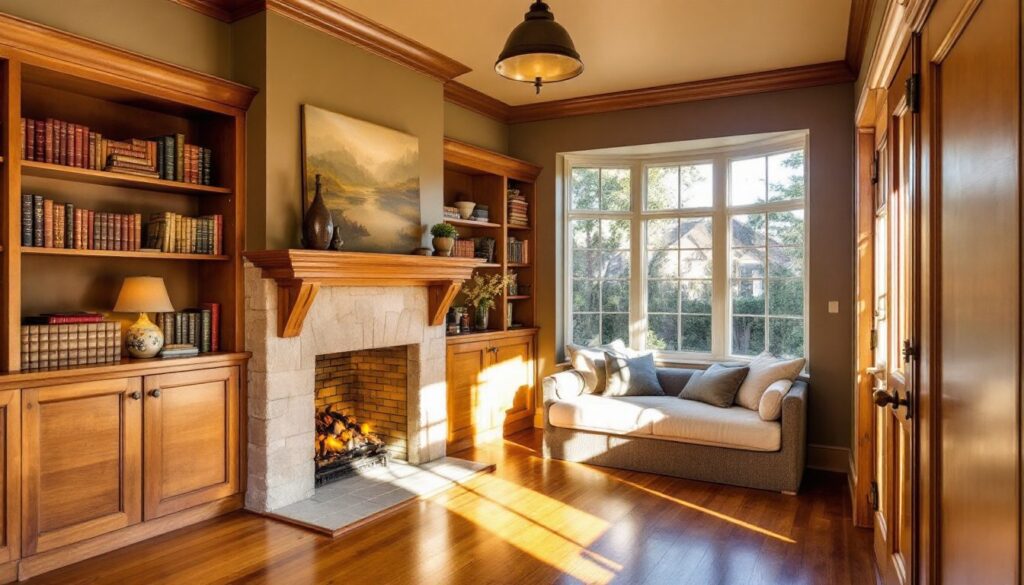
Craftsman interior design represents more than a decorating style, it’s a philosophy rooted in honest craftsmanship, quality materials, and meaningful details. Born in the early 1900s as a reaction against mass production, the Arts and Crafts movement championed handmade pieces, visible construction, and functional beauty. Today, homeowners are rediscovering craftsman design because it delivers exactly what modern spaces often lack: authenticity and soul. Whether renovating a historic bungalow or bringing craftsman elements into a contemporary home, understanding the core principles allows anyone to create spaces that feel both timeless and genuinely lived-in. This guide walks through the philosophy, materials, and practical steps to infuse craftsman character into your interiors.
Key Takeaways
- Craftsman interior design philosophy prioritizes honest craftsmanship and visible construction, celebrating structural elements like joinery and wood grain rather than hiding them behind modern finishes.
- Quality natural materials—quarter-sawn oak, stone, hand-thrown tile, and lime-based plaster—form the foundation of authentic craftsman interiors and should be chosen for their honest grain patterns and patina.
- Craftsman furniture and built-ins focus on visible joinery, tapered legs, and natural fabrics in muted tones, with hardware details in bronze or wrought iron that showcase manufacturing techniques rather than polished finishes.
- Start with simple, impactful updates like replacing flat modern trim with period-appropriate profiles, adding wainscoting, or installing visible hardware to transform spaces without requiring full renovations.
- Warm lighting at 2700K color temperature and exposed-bulb fixtures align with craftsman design philosophy, while recessed lighting fundamentally clashes with the aesthetic of visible, honest construction.
Understanding The Craftsman Design Philosophy
Craftsman design rejects the notion that beauty and function are separate. Every element, from built-in cabinetry to door hardware, exists because it serves a purpose, and that purpose is expressed honestly. You won’t find ornament for ornament’s sake: instead, decoration grows naturally from structural elements like exposed joinery, hand-planed wood, or the warm patina of aged materials.
The philosophy embraces visible construction. Rather than hiding joints and fasteners behind drywall, craftsman interiors celebrate them. A mortise-and-tenon joint isn’t covered up, it’s shaped so cleanly that it becomes a design feature. This transparency builds trust: homeowners can see the work that went into a piece.
Craftsmanship also values human scale and proportions. Rooms feel intimate because their details, shelf heights, window sizes, ceiling lines, relate to how bodies actually move through space. Unlike grand Victorian rooms or minimalist open floors, craftsman interiors invite you to lean against a built-in bench, reach a shelf comfortably, or read by a window seat designed for that exact purpose. This intentionality is what makes craftsman spaces feel like home rather than just a place to pass through.
Core Elements That Define Craftsman Interiors
Wood And Natural Materials
Wood is the foundation of craftsman design. Quarter-sawn oak, with its distinctive ray fleck pattern, became a signature material in original craftsman homes. But, authentic craftsman interiors also feature cherry, walnut, and clear-grain fir, whatever wood was local and affordable when the home was built. The key is selecting species with honest grain patterns rather than uniform, processed appearances.
Floor planning matters. Original craftsman homes often featured one-inch nominal hardwood strips or parquet patterns. If you’re installing new flooring, 3/4-inch solid hardwood in a staggered random-width pattern, rather than uniform widths, reads as more authentic. Reclaimed wood, when budgets allow, carries the patina craftsman design celebrates. For refinishing, a flat or satin finish (rather than glossy polyurethane) lets the wood grain show without false shine.
Stone, tile, and plaster complement wood. Craftsman bathrooms and kitchens traditionally used quarry tile or hand-thrown ceramic tiles with subtle color variation and unglazed finishes. Plaster walls, left slightly textured, provide warmth that drywall struggles to achieve. If you’re patching or replastering, a lime-based plaster applied by hand creates the slightly imperfect finish characteristic of the era, something spray-applied modern plaster rarely matches.
Color Palettes And Finishes
Craftsman interiors lean toward earthy, muted tones: ochre, sage green, warm grays, and rich browns derived from natural pigments. Original finishes often appear darker to modern eyes because they accumulated decades of patina and oxidation. If you’re choosing paint, test samples in your actual light conditions: what looks dull in the showroom may glow perfectly in morning sunlight.
Wood stains in craftsman homes weren’t always dark. Many pieces featured natural finishes or light brown tones that let the wood grain dominate. Dark mahogany or fumed oak (artificially darkened with ammonia fumes) appeared in higher-end pieces and formal rooms. For furniture and trim, aim for finishes that feel organic rather than plastic-looking, hand-rubbed oils, waxes, or flat lacquers beat high-gloss polyurethane.
Wall finishes deserve attention. Flat or eggshell latex paints work better than semi-gloss because they don’t reflect light artificially. Some craftsman enthusiasts use milk paint, which has a matte, chalky quality that reads as authentically aged. If using conventional paint, consider a finish coat over a slightly textured primer to avoid the sterile look of perfectly flat, modern paint.
Furniture And Fixtures For Craftsman Spaces
Craftsman furniture prioritizes construction over upholstery bulk. Look for pieces with visible joinery, tapered or turned legs, and details that make structural sense. A mission oak chair, with its exposed tenons and honest proportions, communicates durability and thought in a way that a bloated sectional cannot.
Upholstery should feature natural fabrics, leather, wool, linen, or cotton, in muted, sometimes uneven tones. Leather should show wear gracefully: fabric should feel substantial, not slick. Avoid heavily patterned prints: if pattern appears, it should relate to hand-weaving or block-printing traditions (Arts and Crafts tiles, William Morris designs, or geometric patterns with mathematical precision).
Hardware is a surprisingly powerful detail. Craftsmanship shows in door handles, hinges, and cabinet pulls. Bronze, wrought iron, or copper hardware with patina reads far more authentic than polished brass or chrome. If installing new fixtures, choose pieces where the manufacturing technique, hand-forging, casting, or extrusion, is visibly evident.
Built-ins cement the craftsman aesthetic. Bookshelves flanking a fireplace, window seats with storage beneath, or kitchen cabinets with glass doors in original home designs aren’t decorative, they’re integral to how the space functions. If your home lacks these features, adding simple built-in shelving or a bench seat in a hallway provides the grounded, custom-made feeling that craftsman design demands. The edges should be trim details, simple moldings, not applied decorative embellishments.
Creating Craftsman Rooms In Your Home
Start with evaluation. Walk through your home and identify existing craftsman elements, original trim, hardware, window styles, or wall finishes. These anchors dictate how broadly you can push the aesthetic. A home with no original details can still embrace craftsman principles through thoughtful material choices and proportions: one with existing period features should build on them rather than fight them.
Prioritize visible details over trend-driven cosmetics. Crown molding, baseboards, and door casings establish scale and visual weight. Craftsman trim is typically simple and direct: a beveled edge, a small reveal, or a subtle shadow line rather than elaborate profiles. If your home has flat modern trim, replacing it with period-appropriate profiles (available from reproduction mills) transforms a room’s character more than new paint or wallpaper.
For rooms without original features, build incrementally. A bedroom might gain a simple wainscot (typically 36 to 48 inches high), painted a slightly darker tone than walls above, with a cap rail and baseboard detail. A kitchen benefits from open shelving with supports, allowing the wood grain to become part of the display. A bathroom transforms with subway tile (hand-thrown if budget allows) and simple vanity cabinetry with visible joinery and real wood doors, not veneered plywood.
Layer details consistently. A single craftsman element, say, new hardware on existing cabinets, creates a jarring mismatch if everything else remains slick and modern. Coherence comes from choosing materials and proportions that echo each other throughout the space.
Lighting And Architectural Details
Lighting in craftsman interiors balances ambient warmth with task functionality. Original homes relied on table lamps, sconces flanking mirrors, and pendant fixtures. Recessed lighting and track systems, invisible, efficient, but visually sterile, fundamentally clash with the philosophy of visible construction. Instead, choose fixtures where the design logic is clear: an exposed-bulb pendant with a metal shade, a wall sconce with a ceramic or amber glass bowl, or a table lamp with a hand-painted shade and visible wiring.
Color temperature matters. Craftsman spaces feel warm under 2700K incandescent or LED-equivalent bulbs. The yellowish tone complements wood tones and aged materials far better than the cool, blue-tinted 4000K or 5000K light found in many modern fixtures.
Architectural details anchor craftsman rooms psychologically. A fireplace surround with carefully laid tile, a beam running across the ceiling (real or structural-grade faux), or window trim that thickens at corners establishes permanence. These elements shouldn’t feel applied or decorative: they should look like they’re part of the building’s skeleton.
Arches, alcoves, and reveals create visual interest without clutter. A doorway framed by an arch, a niche shelved for display, or a wide window trim that defines a reading zone all reflect the craftsman principle that built-in features serve purpose. If adding architectural detail, choose simple geometry, a coved ceiling, a squared arch, or a straightforward shelf alcove, rather than ornamental flourishes that muddy the design.