
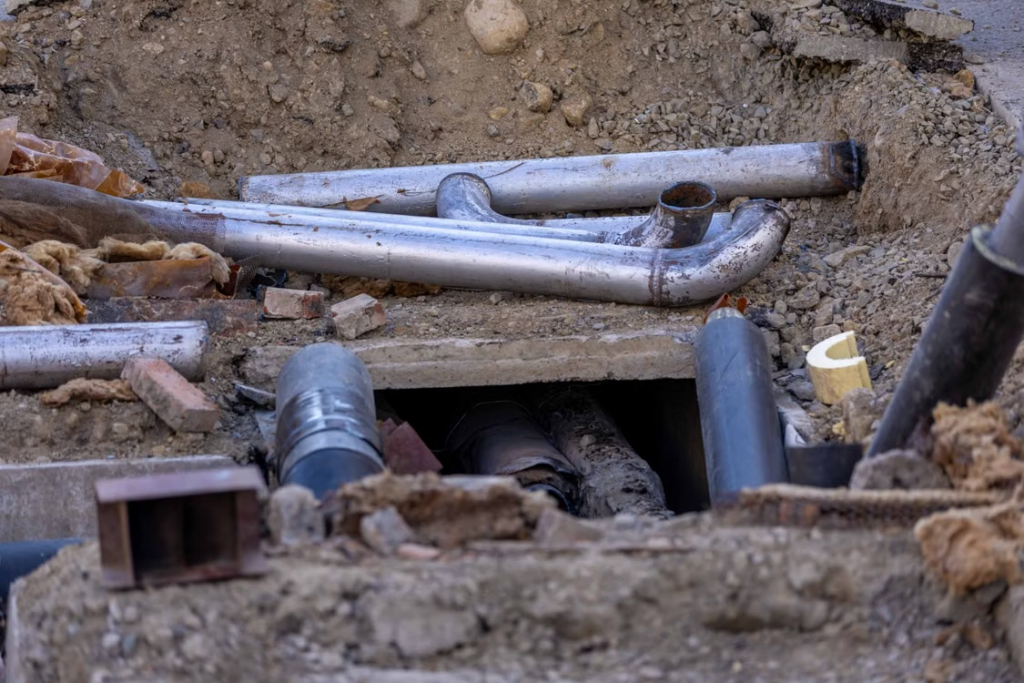
Well-functioning sewer systems keep homes clean as they continue to carry wastewater away from houses in Albuquerque. However, many might not notice that they’re slowly deteriorating because the pipes are buried underground. Some of the red flags may include slow drainages but over time, the blockage can become worse if unaddressed.
Issues with the main sewer line can affect many parts of the house including the bathroom. Wastewater might back up through the fixtures when the main line is obstructed by debris and can no longer handle normal wastewater flow. This situation can expose occupants to harmful contaminants, and the black water can damage nearby walls if the blockage isn’t fixed.
Issues with the plumbing can happen because of aging materials or invasive tree roots that may puncture the pipes when they’re searching for water. Older lines can deteriorate gradually after decades, while a new system installation can be affected by unexpected ground conditions. See more info about troubleshooting plumbing problems when you go here.
Homeowners need to know the warning signs, so they know when to arrange a professional inspection. This can avoid unnecessary disruption, and the experienced technicians can pinpoint where the problem is located. They can also recommend the best available solutions that are tailored to the pipes’ conditions.
Warning Signs of a Damaged Sewer Line
A slow-draining sink does not always indicate a main sewer line problem, but when several of them are clogged, it often suggests an obstruction that’s deeper in the system. Repeated clogs even after using a plunger deserve professional attention.
When one notices gurgling sounds coming from a toilet, it can also be an indication of trapped air because the flow of the wastewater is restricted. Meanwhile, persistent, bad odors can point to damaged sections of the pipe that allow gases to escape. Sewage that appears in a bathtub sends a more urgent warning that the residents should request immediate expert assistance to fix the problem. A sewage backup (https://www.cdc.gov/global-water-sanitation-hygiene/about/workers_handlingwaste.html) can worsen when left unaddressed, and it can cause the homeowners to get sick.
Why Does a Camera Inspection Matter?
Many professional sewer companies send technicians who use sewer cameras so they can inspect the inside of the pipeline without the need for excavation. These tools are generally waterproof, and they help locate collapsed sections of the plumbing system.
These experts are going to utilize the recorded footage to determine whether there’s a need for cleaning or recommend a complete replacement, especially if the pipes are old. The cameras can help them identify the exact location of the defects so they can reduce unnecessary digging.
Property owners can also benefit from the findings because this helps them understand why a particular solution has been recommended. Anyone who is searching for the right Albuquerque sewer line repair services like Sunshine Plumbing should look for companies that are going to address the root cause of the issue instead of merely providing a temporary solution.
What is Traditional Sewer Line Excavation?
Many experts dig out an opening so they can access a blocked pipeline directly and replace the damaged material. After the replacement is installed, the excavated area is restored, and this is often the approach that applies to collapsed lines and severely deteriorated plumbing systems. It’s suitable for aging materials like cast iron, and this process gives the experts complete access to the sewer line.
Other benefits include correcting alignment problems and completely replacing compromised sections. However, the entire process can be disruptive compared to trenchless work, but this is going to be reliable when there’s extensive deterioration present.
How Does Trenchless Repair Reduce Disruption?
Trenchless technology means that the technicians work through limited access points to preserve more of the surrounding landscape. They can essentially get the repairs done through this, but they protect gardens that are above the sewer route.
Pipe bursting is one example of a trenchless replacement method where the specialized head travels through the old line, and it breaks it apart. A new pipe is pulled into position behind the bursting head, and this is great for hardscaped areas.
Meanwhile, cured-in-place pipe lining takes a resin-coated liner that’s inserted into the existing pipelines. It’s hardened with the help of technology. Once cured, the liner creates a durable new surface inside the existing pipe. They can reduce the likelihood of leaks and seal cracks as well.
How to Choose the Appropriate Solution?
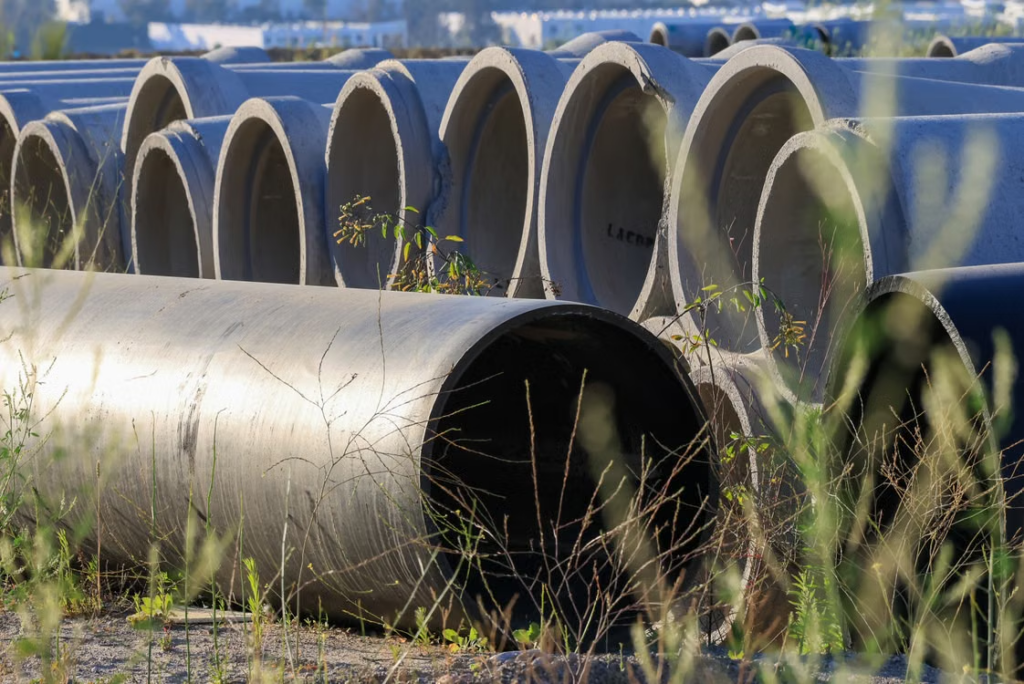
The best sewer repair method depends on the extent of the damage and the current material being used. Nearby structures can also influence the recommended approach on what method they’re going to use, especially if the pipes are near utility lines.
Trenchless work may be attractive for those who want the work to be completed quickly, but it’s not ideal if a pipe has fully collapsed. It’s best to contact the experts to determine the most appropriate solution when there’s widespread deterioration so they can make a full assessment of the plumbing system.