
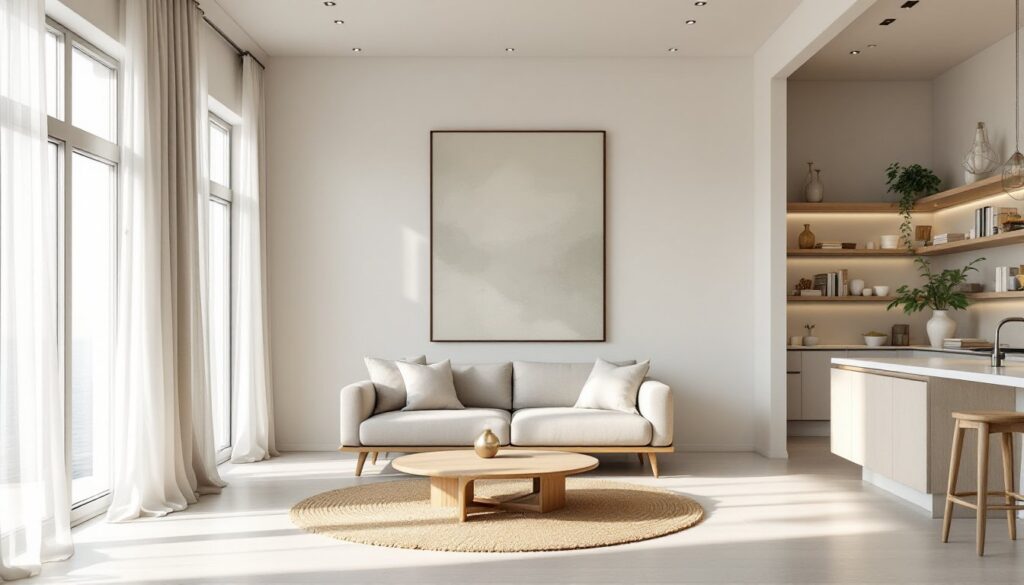
Contemporary modern coastal interior design blends the relaxed aesthetics of seaside living with clean, minimalist design principles. Unlike traditional coastal décor, which leans heavily on nautical kitsch and beachy clutter, modern beach house interior design strips away excess and focuses on curated materials, open spatial flow, and a refined neutral palette. Homeowners are discovering that coastal design doesn’t require ocean-front property: the right color scheme, textures, and layout can bring that serene, breezy feeling into any living space. This approach pairs functional simplicity with natural materials, creating interiors that feel both grounded and effortlessly inviting. Whether refreshing a single room or overhauling an entire home, understanding the core principles of contemporary coastal design makes execution straightforward and rewarding.
Key Takeaways
- Contemporary coastal interior design prioritizes restraint and authenticity by replacing nautical clutter with clean lines, neutral palettes, and natural materials that function without ornamental excess.
- Create visual depth and airiness through layered textures like raw linen, reclaimed wood, and concrete, paired with whites, soft grays, and warm beiges that echo natural coastal elements.
- Maximize natural light and spatial flow by using minimal window treatments, furniture with exposed legs and streamlined silhouettes, and open shelving that prevents the cramped feeling of traditional coastal décor.
- Invest in foundational changes first—wall finishes, flooring, and layered lighting with matte fixtures—before purchasing soft furnishings, since structural elements are expensive and labor-intensive to modify later.
- Modern coastal design embraces sustainability and timelessness by selecting quality, durable materials and avoiding trendy pieces, ensuring your design investment remains refined and effortlessly inviting for years to come.
What Defines Contemporary Coastal Design
Contemporary coastal design is fundamentally about restraint and authenticity. It rejects ornamental clutter in favor of functional pieces that tell a story, weathered wood shelving, raw linen textiles, and simple metal fixtures become focal points rather than afterthoughts. The key distinction from traditional coastal style is the emphasis on clean lines and minimalist silhouettes. A coastal interior might feature a painted white shiplap wall: a contemporary modern version would use smooth, light-toned drywall with subtle texture and strategic accent walls instead.
This design philosophy prioritizes natural light and unobstructed sightlines. Open floor plans and purposeful negative space prevent that cluttered “beach house” feel. Materials are chosen for their genuine function and texture, concrete floors with radiant heating, untreated wood beams, linen upholstery, rather than nostalgic nods to maritime life. Contemporary coastal also embraces elements from modern industrial design: steel frame windows, polished concrete accents, and streamlined built-ins sit comfortably alongside natural fibers and earthy tones. The result is an interior that feels both calm and intentional, inviting without being overwrought.
Color Palettes and Materials That Work
Neutral Tones and Natural Textures
The contemporary coastal palette centers on whites, soft grays, warm beiges, and subtle sage greens, colors that echo sand, sky, and weathered driftwood. Pure white walls create visual continuity and amplify natural light, while warmer off-whites (like ivory or linen white) prevent sterile, clinical feel. Accent colors should be muted: soft blue-gray rather than bright coastal blue, or warm taupe instead of saturated brown.
Texture is where modern coastal design truly comes alive. Natural materials, raw linen, undyed jute, reclaimed wood, woven rattan, and stone, add visual interest without relying on bold color. A linen upholstered sofa in natural beige paired with a jute area rug and whitewashed wood coffee table creates layered visual depth. Concrete and polished plaster finishes bring industrial edge to the palette. These materials age gracefully: slight weathering enhances their character rather than requiring replacement.
For those ready to DIY: painting existing drywall in soft, light-reflective finishes like eggshell or satin maximizes that airy coastal feel. Focus prep work here, fill nail holes, sand imperfections, apply primer (two coats recommended for coverage), then finish paint in your chosen neutral. Avoid glossy finishes, which read too formal. Consider subtle textured wallpapers (grasscloth or linen weave) behind accent walls to add dimension without overwhelming the space. These wallcoverings require careful measurement and seamless hanging, if seaming isn’t your strength, hiring a professional saves frustration and rework.
Furniture and Layout Essentials
Contemporary coastal living spaces prioritize openness and flow. Furniture should have minimal visual weight, light wood frames, exposed legs rather than skirting, and streamlined silhouettes. Oversized sectionals and heavy upholstered pieces create visual clutter: instead, a sleek sofa with tapered legs and a separate accent chair invite conversation without blocking sightlines.
Layering low-profile pieces, console tables, floating shelves, and modular seating, maintains spatial breathing room. Built-in window seats with storage eliminate the need for additional case furniture. Open shelving (steel-frame or reclaimed wood) displays curated objects and books without the heaviness of traditional cabinetry. Dining tables should have slender bases or pedestal supports: opt for natural wood or light finishes rather than dark stains.
Layout-wise, resist pushing all furniture to walls. A modest seating cluster in the center of a large room feels intentional and inviting rather than leaving dead space. Floating a low-profile media console, rather than mounting the TV to the wall, adds depth to the room. For DIYers considering floating shelves: confirm wall framing (studs are typically 16 inches on center), use appropriate anchors rated for your shelf’s load capacity, and level meticulously before securing brackets. Floating shelves set out of plumb read unprofessional instantly.
Lighting and Spatial Flow
Lighting shapes the mood in contemporary coastal spaces. Maximize natural daylight through clean window treatments, sheer linen curtains diffuse harsh sun without blocking views, or opt for motorized roller shades in light gray for refined control. Artificial lighting should be layered: ambient overhead fixtures (simple metal or pendant styles), task lighting (reading lights, kitchen undercabinet LEDs), and accent lighting (recessed spots on artwork or shelving).
Choose fixtures with minimalist design, avoid ornate chandeliers and heavy brass. Matte black or brushed nickel finishes align with contemporary aesthetics: warm LED bulbs (2700K color temperature) create the inviting glow associated with coastal relaxation. Pendant lights with simple geometric shades work well over kitchen islands and dining tables.
Spatial flow depends on sight lines and circulation paths. Avoid furniture arrangements that create cramped corridors or awkward traffic patterns. Open floor plans benefit from subtle zone definition, a lower-pile area rug beneath seating groups delineates space without walls. In smaller homes, this discipline prevents the feeling of cluttered density. Keep wall decor minimal: a few large-scale photographs or abstract pieces beat gallery walls. Blank wall space is a design feature, not wasted opportunity.
Practical Tips for Implementation
Start with structural assessment. Before purchasing a single piece of furniture, measure your space accurately and photograph existing conditions. Note natural light patterns throughout the day, morning sun, afternoon heat, evening shadows, since this drives material choices (sun-faded textiles require UV-protective treatments: glare on glossy surfaces becomes bothersome).
Prioritize foundational elements first: wall finishes, flooring, and lighting. These are labor-intensive and expensive to change later. A fresh coat of neutral paint and strategic lighting upgrades can transform a space without gutting it. If budget is limited, update soft furnishings (curtains, throw pillows, area rugs) in phases while keeping the structural design clean.
Source materials thoughtfully. Reclaimed wood accents, natural fiber textiles, and stone elements are cornerstones of modern coastal design, but quality varies wildly. Inspect wood for structural soundness (no soft spots or deep cracks): test upholstery durability before committing to white or light-toned fabrics. Online shopping offers convenience, but viewing samples in person, under your own lighting, beside existing furniture, prevents costly returns.
For DIY updates: refinishing existing hardwood floors or installing new flooring (wood-look vinyl, light concrete-look tile, or natural stone) dramatically impacts the overall aesthetic. Both require prep work, removing baseboards, clearing the space, and allowing acclimation time for materials. Hardwood typically needs 48–72 hours in the space before installation. Invest in proper underlayment to prevent squeaks and moisture issues: this isn’t a place to cheap out.
Consider sustainability as part of the philosophy. Contemporary coastal design naturally aligns with using quality, long-lasting pieces over disposable trendy items. Reclaimed materials, solid wood furniture, and timeless palettes ensure your design investment endures.
Conclusion
Contemporary modern coastal interior design delivers serenity without sacrificing style or substance. By anchoring your space in neutral tones, natural materials, and thoughtful spatial planning, you create an environment that feels both refined and approachable. The beauty of this approach is its flexibility, whether you’re designing a full home or refreshing a single room, the core principles remain consistent: authenticity over trends, function over ornament, and light over clutter. Start with honest assessment of your space, invest in foundational changes, and let quality materials and restraint do the heavy lifting. The result is a calm, timeless interior that genuinely reflects the peaceful, unhurried rhythm of coastal living.