
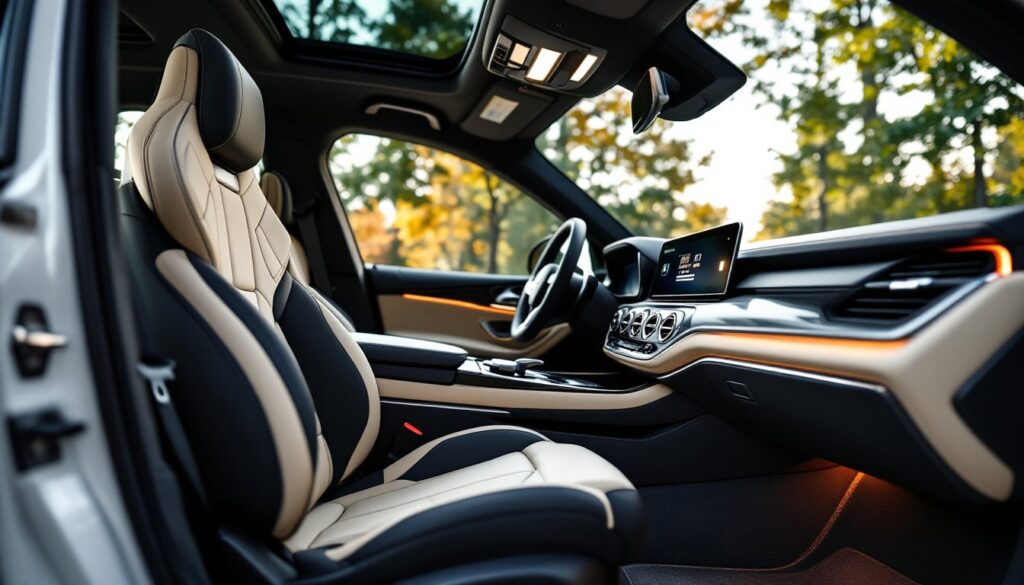
A well-designed custom car interior transforms a daily commute into a premium experience. Whether someone owns a classic muscle car, a modern sports sedan, or an everyday family vehicle, personalizing the interior elevates comfort, functionality, and resale value. Custom car interior design goes beyond slapping new seat covers on, it involves thoughtful material selection, ergonomic layout, lighting design, and cohesive styling that reflects the owner’s taste. In 2026, DIYers and professionals alike have access to high-quality materials, modular systems, and retrofit solutions that once required visiting a specialty shop. Understanding the fundamentals and current trends helps anyone tackle interior upgrades with confidence.
Key Takeaways
- Custom car interior design involves thoughtful material selection, ergonomic layout, lighting design, and cohesive styling that elevates comfort, functionality, and resale value beyond basic cosmetic upgrades.
- Plan your custom car interior design by measuring cabin dimensions accurately, establishing a realistic budget and timeline, and determining which tasks require professional expertise versus DIY capability.
- Upholstery material selection should account for climate, durability, and maintenance needs—with options like leather, vegan leather, and wool-blend carpeting each offering distinct performance profiles and aesthetic qualities.
- LED ambient lighting transforms the cabin’s atmosphere while improving safety, with layered systems combining overhead navigation lights, dimmer accent strips, and focused task lighting for optimal visual hierarchy.
- Current custom interior trends emphasize minimalist design, sustainable materials, tech-forward integration, and noise reduction over ornamental elements, reflecting modern preferences for function and environmental responsibility.
- Two-tone color schemes and ergonomic seating with power-adjustable lumbar support enhance both visual interest and long-drive comfort without excessive budget impact.
Understanding Custom Car Interior Design Fundamentals
Custom car interior design starts with a clear vision and honest assessment of what needs to change. Before ordering materials or tools, the owner should identify pain points: Are the seats uncomfortable on long drives? Is the dashboard dated? Does the cabin feel cold or noisy? These questions guide priorities.
The design process follows a logical sequence. First, measure the cabin dimensions carefully, note the actual usable space behind seats, under the dash, and in the trunk. Most automotive customizers work in 1/4-inch or 1/2-inch scale drawings to plan layouts and confirm fitment. Second, establish a budget and timeline. Interior work often takes longer than expected because vehicles require disassembly, and unexpected rust or wiring issues surface once panels come apart. Third, determine what requires professional help versus what suits a capable DIYer.
Structural modifications, reinforcing the floor pan, welding new mounts, or reworking the frame, demand a licensed professional and proper permits. Cosmetic upgrades like new upholstery, dashboard wrapping, or LED accent lighting fall within DIY reach if someone has patience and decent hand tools. The key is knowing the difference between a bolt-on improvement and work that compromises safety or violates local codes.
Key Elements of a Professional Custom Interior
A truly custom interior requires attention to multiple systems working in concert. Comfort, durability, and visual cohesion depend on material choices, surface finishes, ergonomics, and color harmony.
Upholstery and Materials
Upholstery is often the first thing someone notices when they sit down. Leather, suede, and high-end cloth blends each offer different looks, durability, and maintenance profiles. Leather develops character over time but requires conditioning: genuine leather also costs significantly more than synthetic alternatives. Vegan leather (polyurethane-based) has improved dramatically and offers a cruelty-free option with easier cleaning. Standard automotive cloth is durable but can wear and show dirt quickly.
Before selecting upholstery, consider the vehicle’s climate. Hot climates demand materials that don’t absorb excessive heat: light colors help. Cold regions benefit from thicker, insulating fabrics. The undercarriage matters too, backing materials like vinyl-backed cloth or foam-laminated textiles prevent moisture wicking into the cushion beneath.
Carpeting, floor mats, and trim panels round out the material palette. Wool blend or loop-pile carpeting resists staining and feels premium underfoot. Aluminum trim rings, carbon fiber accents, or wood veneers around the dash, doors, and console establish visual continuity. The key: choose complementary materials that coordinate rather than clash. A black leather interior with chrome accents requires a different floor color than a tan suede cabin with brushed aluminum trim.
Lighting and Ambient Features
Lighting transforms the interior’s atmosphere and improves safety. LED accent strips mounted under the dashboard, along door sills, or inside cup holders create a glowing ambient effect. Dimmable LEDs let the driver adjust brightness to suit mood and road conditions. Properly installed, accent lighting doesn’t interfere with visibility or distract from the road.
Overhead dome lights with LED upgrades replace factory incandescent bulbs, providing whiter, brighter illumination with nearly zero heat output. Color-changing LEDs allow further personalization, single-color systems are easier to wire and maintain than RGB units requiring controller modules. Reading lights and map pockets benefit from dedicated, focused LED beams rather than broad dome glow.
Ambient lighting also hides imperfections. A well-lit ceiling with soft diffusion masks minor panel gaps or uneven panels. Consider layering, bright overhead lights for navigation, dimmer accent strips for cruising, and focused task lighting for the gauge cluster. The goal is creating mood while maintaining safe visibility.
Popular Design Trends and Styles
In 2026, custom car interior trends reflect broader automotive and lifestyle movements. Minimalist interiors dominate, with clean lines, reduced clutter, and integrated storage. Drivers increasingly value function over ornament, unnecessary trim strips and decorative elements disappear in favor of sleek, purposeful surfaces.
Sustainable materials continue gaining traction. Recycled leather alternatives, plant-based vinyls, and reclaimed wood trim appeal to environmentally conscious owners. These materials often perform as well as traditional options while reducing the carbon footprint of the interior.
Tech-forward integration seamlessly weaves infotainment systems, digital displays, and connectivity into the cabin. Modern custom interiors hide visible wiring, use flush-mounted screens, and employ wireless charging pads integrated into console surfaces. The aesthetic remains clean: all technology serves a purpose and blends visually.
Two-tone color schemes remain popular, pairing a darker primary color (black, charcoal, deep blue) with a lighter accent (cream, tan, light gray) creates visual interest and apparent spaciousness. Monochromatic interiors (all-black, all-gray, all-white) feel sophisticated and modern but show dirt more readily.
Ergonomic seating with power adjustable lumbar support and memory settings reflects an understanding that comfort matters on long drives. Even moderate-cost retrofit seat systems now include these features. Heated and cooled seat functions (if wiring supports them) add luxury without breaking the budget.
Noise reduction has become paramount. Sound-deadening mats applied to doors, the floor, and the roof, using materials like butyl rubber or closed-cell foam, reduce road and wind noise. Combined with quality audio insulation around speakers and vibration dampening on the trunk, a custom interior can feel significantly quieter than stock. Quieter cabins enhance perceived luxury and reduce driver fatigue.
Conclusion
Custom car interior design balances aesthetics, comfort, durability, and personal expression. Success comes from understanding fundamentals, measuring accurately, choosing complementary materials, and being honest about skill level and timeline. Current trends favor minimalism, sustainability, and integrated technology over chrome excess. Whether upgrading one element or overhauling the entire cabin, taking time to plan, source quality materials, and execute methodically yields results that last years and add genuine value to the vehicle. The best custom interior is one that suits the owner’s daily needs while reflecting their unique style.