
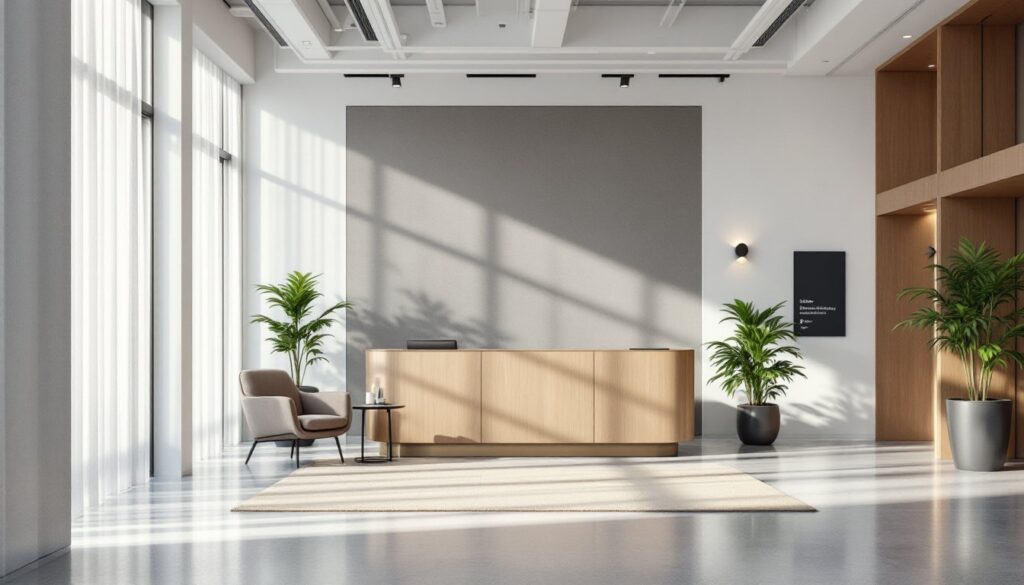
A lobby is more than just an entryway, it’s the first physical touchpoint where visitors, clients, and employees form opinions about a business or organization. Effective lobby interior design communicates professionalism, sets expectations, and shapes the entire visitor experience. Whether it’s a corporate office, hotel, medical practice, or apartment building, a thoughtfully designed lobby establishes trust and brand identity within seconds. This guide walks through proven strategies to transform a lobby into a welcoming, functional, and aesthetically compelling space that leaves a lasting impression.
Key Takeaways
- Lobby interior design is your building’s first handshake—it sets the tone for visitor experience and shapes perceptions of professionalism within seconds of arrival.
- Layer your lighting with recessed fixtures, wall sconces, and accent lights using warm to neutral LEDs (3000K–4000K) to avoid the institutional feel of single overhead fixtures.
- Choose a cohesive color palette with blues, greens, or soft whites as primary colors plus one or two accent tones; always test paint samples under actual lighting before committing.
- Arrange furniture purposefully around a clear focal point with at least 6–8 feet of unobstructed floor space to guide traffic flow and prevent claustrophobic layouts.
- Implement intuitive wayfinding through clear entrances, minimal legible signage (at least 24pt), and architectural cues like floor changes or lighting shifts that signal movement.
- Incorporate functional elements like umbrella stands, coat racks, and soft acoustic materials to anticipate visitor needs and create a calm, professional atmosphere.
Understanding the Purpose and Impact of Lobby Design
A lobby serves distinct functions: it filters foot traffic, directs visitors, creates a first impression, and sets the tone for what lies beyond. Poor lobby design, cluttered layouts, dim lighting, or confusing signage, forces visitors to feel lost and signals negligence. Strong design does the opposite. It tells visitors they’ve arrived somewhere well-maintained and organized.
Think of the lobby as your building’s handshake. In a corporate setting, it demonstrates company culture and attention to detail. In a medical office, it communicates cleanliness and calm. In a hotel, it promises an experience worth the stay. The design choices made in this space directly affect how people feel about the organization before they’ve spoken to anyone.
Key functions include wayfinding (directing traffic), brand reinforcement (colors, logos, materials reflecting company identity), and atmosphere creation (lighting, layout, sound). Each element works together. A lobby that looks premium but feels cold fails as much as one that’s cozy but sloppy. The goal is balance: professional and inviting, functional and visually cohesive.
Lighting and Color Schemes for a Professional Atmosphere
Lighting and color are the two quickest ways to change how a lobby feels. They’re also tools where poor choices become obvious, harsh fluorescent light or a dingy color palette will undermine every other design investment.
Natural and Ambient Lighting Solutions
Natural light is gold. If your lobby has windows, maximize them. Avoid heavy curtains or frosted glass that blocks daylight: instead, use adjustable blinds or sheer panels that diffuse direct sun without creating gloom. Skylights work well in interior lobbies without exterior walls.
For ambient light, layer your approach. Combine recessed ceiling fixtures with wall sconces and accent lighting on architectural features or artwork. This layering creates depth and prevents the flat, institutional feel of a single overhead fixture. Use LED bulbs rated 3000K to 4000K (warm white to neutral white), they mimic natural daylight without the harshness of older fluorescent tubes.
Avoid flickering or buzzing fixtures. They’re distracting and signal poor maintenance. If existing fixtures hum, replace the ballast or switch to quality LEDs: it’s a low-cost fix with big impact.
Color Psychology in Lobby Spaces
Color sets mood. Blues and greens feel calm and professional, common in corporate and healthcare settings. Warm grays and soft whites convey cleanliness and modernity. Accent colors (deep navy, forest green, or muted terracotta) add sophistication without overwhelming.
Avoid extreme choices: neon, very dark walls, or clashing multi-color schemes read as chaotic or dated. Stick to a primary color with one or two accents. Paint walls in lighter shades (they reflect light and feel spacious): reserve darker tones for trim, doors, or feature walls.
Consider the lighting when choosing color. Colors look different under warm LED versus cool fluorescent. Always test paint samples on the wall under the actual lighting conditions before committing. A sample swatch under your phone’s flashlight won’t match the real thing.
Furniture and Layout Principles
A cluttered lobby defeats its purpose. Furniture should be minimal, purposeful, and arranged to guide movement rather than block it.
Start with a clear focal point. This might be a reception desk (if staffed), a feature wall with company branding, or a sculptural element. Arrange seating and other pieces to face or reference this focal point. Don’t scatter furniture haphazardly around the space.
Seating should be strategic. If guests regularly wait, include a few comfortable chairs or a small bench in a defined area, not blocking the main walkway. Choose durable, easy-to-clean materials: lobbies see heavy use. Leather, high-performance fabrics, and wood are more practical than delicate upholstery.
Floor space matters. Lobbies with cramped layouts feel claustrophobic. As a rule, maintain at least 6-8 feet of clear floor space for unobstructed traffic flow. If space is tight, use vertical elements (tall planters, wall art, shelving) to draw the eye upward rather than filling floor space.
Materials set tone. Polished concrete or natural stone floors feel modern and professional. Wood accents warm up sterile spaces. Metal and glass convey sophistication. Avoid anything that shows footprints or dust easily, lobbies are high-traffic areas, and visible dirt undermines design intent. Choose finishes that hold up to frequent cleaning.
Incorporating Wayfinding and Functional Design Elements
Good wayfinding is invisible, people move through the space intuitively without confusion. Poor wayfinding creates bottlenecks and frustration.
Start with clear entrances and exits. Make sure these are obvious from the street or parking area. Glass doors with clear hardware signals “enter here.” Revolving doors in cold climates may need a vestibule to prevent heat loss, a practical consideration that doubles as a design break.
Signage should be legible and minimal. Use one consistent font family, high contrast between text and background, and readable font sizes (at least 24pt for directions visible from 6+ feet away). Digital directories are common but backup analog signage in case of power loss or technical issues. Avoid cluttering walls: every sign should answer a clear question (“Reception,” “Restrooms,” “Exit”).
Architectural cues guide movement too. Floor changes (a step down to the seating area), lighting shifts, or subtle color changes all signal “you’re transitioning.” A single wide hallway leading to elevators is clearer than multiple narrow corridors.
Functional elements, coat racks, umbrella stands, seating near doors, anticipate visitor needs. In a climate with seasons, a well-placed umbrella stand prevents wet floors. A coat closet or hangers reduce clutter. Trash receptacles should be discreet but accessible.
Acoustics matter. Hard floors and high ceilings echo: add soft elements (area rugs, fabric wall panels, cushioned seating) to absorb sound. A quiet lobby feels professional and calm: a echoing, noisy one feels chaotic even if it’s clean.
Conclusion
A well-designed lobby isn’t about expensive finishes or trendy aesthetics, it’s about clarity, comfort, and confidence. It works when visitors feel welcomed, understand where to go, and sense that the organization cares about their experience. Start with the fundamentals: layered lighting, a cohesive color palette, minimal and purposeful furniture, and intuitive wayfinding. Test changes in one area before a full renovation. Small wins, replacing dim bulbs with quality LEDs, repainting in a professional color, rearranging furniture to open sightlines, compound into significant impact. The goal is a lobby that reflects your organization’s values and makes every person who walks through the door feel they’re in capable hands.