
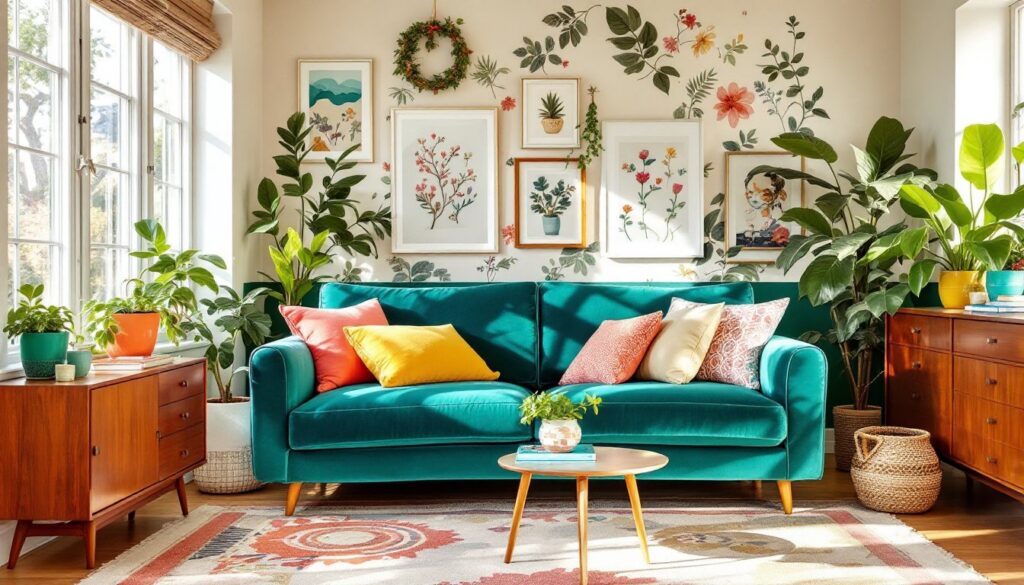
Whimsical interior design has become a refreshing counterpoint to minimalist trends, inviting personality, playfulness, and color back into our homes. Unlike sterile, overly curated spaces, whimsy celebrates imperfection, unexpected combinations, and unapologetic joy. For DIY enthusiasts ready to shake off neutral walls and cookie-cutter aesthetics, whimsical design offers a practical framework for injecting life into any room, without turning a space into a chaotic carnival. Whether you’re refreshing a nursery, home office, or living area, understanding whimsical interior design’s core principles helps guide material choices, color selections, and placement decisions that feel intentional rather than random. This guide breaks down the essentials of creating a whimsical space that’s both visually engaging and functional.
Key Takeaways
- Whimsical interior design celebrates intentional creativity and playful color by blending bold palettes, unexpected furniture, and purposeful eclecticism instead of rigid minimalist rules.
- Successful whimsical design requires visual balance through neutral anchors, a consistent color story using 4–6 colors, and strategic pattern distribution to avoid chaotic spaces.
- Key elements include textured fabrics, mismatched gallery walls, saturated accent colors, and vintage finds paired with new pieces that feel collected-over-time rather than curated luxury.
- Whimsy differs from bohemian, maximalist, and cottagecore styles by emphasizing earnest joy and playful exaggeration over earthy tones, luxury drama, or muted historical charm.
- Establish your whimsical space by starting with one bold element—an accent wall, statement wallpaper, or colorful furniture—then layer thoughtfully while maintaining adequate negative space and functional balance.
- Adequate lighting and room selection matter: whimsy works best in nurseries, home offices, and entryways, while bedrooms should incorporate whimsy as accents to preserve sleep-friendly calm zones.
What Defines Whimsical Interior Design
Key Characteristics and Elements
Whimsical interior design centers on joy, imagination, and storytelling. At its core, it rejects rigid symmetry and overly polished finishes in favor of unexpected layering, playful textures, and deliberate eclecticism. A whimsical room doesn’t follow a single cohesive scheme, it blends patterns, colors, and eras purposefully.
Key characteristics include bold, saturated colors that feel cheerful rather than muted: curved or unusual furniture silhouettes: mixed patterns (florals with geometric prints, stripes alongside polka dots): and decorative elements that spark conversation. Whimsy also embraces imperfection: mismatched frames, vintage finds alongside new pieces, hand-painted accents, and even slight asymmetry all contribute to the style’s charm.
Textiles play a major role. A whimsical space might feature a statement wallpaper with illustrated creatures, a patterned area rug in unexpected hues, and throw pillows in coordinating-but-not-matching fabrics. Wall art often includes whimsical illustrations, abstract pieces, or even hand-painted murals (which, yes, a confident DIYer can execute with primer, latex paint, and stencils or freehand technique).
The distinguishing factor: every element, but playful, serves a purpose. Random clutter isn’t whimsy: intentional, personality-driven choices are.
How Whimsy Differs From Other Design Styles
Whimsical design sits distinctly apart from similar aesthetics. Bohemian style celebrates global, artistic, and often vintage elements, but bohemian spaces tend toward earthy, warm tones and natural textures. Whimsy, by contrast, embraces brighter, almost candy-like palettes and playful exaggeration.
Maximalism values abundance and layers but often leans into luxury and drama: whimsy is more light-hearted and approachable. A maximalist room might showcase high-end art and designer pieces: a whimsical space celebrates creativity over status.
Kitsch, which some confuse with whimsy, crosses into irony or retro nostalgia without intent. True whimsy is earnest. It celebrates joy without winking at the audience.
Compared to cottagecore (which emphasizes rural, historical charm and muted florals), whimsy is louder and more contemporary. Cottagecore whispers: whimsy announces. Understanding these distinctions helps prevent a space from sliding into confused or cluttered territory.
Color Palettes That Capture Whimsy
Color is whimsy’s strongest tool. Rather than adhering to the traditional three-color rule, whimsical palettes embrace saturation and variety while maintaining visual coherence through intentional selection.
A classic whimsical palette might combine teal, coral, sunshine yellow, and lavender as accent colors against a softer neutral base (soft white, cream, or pale gray walls). This approach provides breathing room while letting color shine where it matters: in furniture, artwork, and textiles.
Another approach: a single bold accent wall in a jewel tone (emerald, sapphire, or mustard) paired with lighter walls and colorful furnishings. This anchors the room without overwhelming it.
For a subtler whimsy, consider a softer palette: blush pink, mint green, soft peach, and cream. These colors still feel playful and unexpected but suit those who prefer quieter energy.
Key principle: colors should feel intentional, not random. If you’re painting walls, use quality interior latex paint (semi-gloss or eggshell finish works best for durability and washability in high-traffic areas). Always prime walls first, especially over existing paint, primer ensures color accuracy and better coverage.
Furniture and Decor Choices for a Playful Aesthetic
Furniture in a whimsical space blends comfort with unexpected shapes and finishes. Curved sofas, chairs with unusual legs, and tables with hand-painted details replace rigid, minimalist pieces. Thrifted or vintage finds, a rattan bookshelf, a mid-century credenza, a quirky side table, sit alongside new purchases, creating layered visual interest.
Upholstery matters. A sofa in velvet or a textured fabric adds tactile appeal: patterned or jewel-toned upholstery immediately signals whimsy. Throw pillows in mixed patterns and textures create a collected-over-time feel.
Wall decor anchors whimsy. Gallery walls with mismatched frames (gold, white, wood, or painted frames) showcasing art prints, family photos, and illustrations feel personal and playful. Wallpaper or wall decals featuring botanical illustrations, celestial themes, or abstract patterns add instant personality. Shiplap or painted paneling in unexpected colors (powder blue, soft green) can transform a plain wall into a feature.
Decor and accessories should feel curated, not hoarded. A few well-chosen items, decorative plates, sculptural objects, plants in colorful pots, carry more impact than crowded shelves. The goal: a space that feels abundant but organized, with clear sight lines and intentional placement.
Creating Balance: When Whimsy Works Best
Whimsical design’s biggest challenge is maintaining function and visual balance. A room drowning in pattern and color becomes fatiguing rather than joyful.
Strategy one: establish anchors. Neutral furniture pieces (a gray upholstered sofa, natural wood shelving, white cabinetry) provide visual rest and prevent the space from feeling chaotic. Pair neutral elements with bold accent pieces, a colorful rug, a patterned armchair, vibrant wall art.
Strategy two: follow a loose color story. Choose 4–6 colors and repeat them throughout the space in varying proportions. If teal is your signature color, incorporate it in a wall, a pillow, a plant pot, and artwork, rather than using it once and introducing seven other colors elsewhere.
Strategy three: balance pattern distribution. If walls feature wallpaper or bold paint, keep furniture relatively solid. If furniture is heavily patterned, quieter walls create breathing room. Mix pattern scales: a large botanical print paired with small geometric patterns feels intentional: all small patterns risk visual noise.
Strategy four: ensure adequate negative space. Open shelving, clear floor space, and unadorned wall patches prevent overcrowding. Whimsy thrives on abundance, not clutter.
Whimsical design works best in spaces with good natural or artificial lighting, color and pattern shine under adequate light. Nurseries, home offices, kitchens, and entryways are ideal: bedrooms should maintain some calm zones for sleep. A whimsical accent wall or nook works better than a fully saturated bedroom.
Conclusion
Whimsical interior design celebrates intentional creativity, playful color, and personality-driven choices. By understanding the style’s core principles, bold yet balanced color, unexpected furniture pairings, and purposeful eclecticism, DIY enthusiasts can transform any space into a joyful, engaging environment. The key is maintaining visual coherence and functional balance while embracing imperfection and imagination. Start with one bold element, a painted accent wall, a statement wallpaper, or a colorful furniture piece, and layer thoughtfully from there. Your home should reflect who you are, and whimsy invites authenticity back into interior design.