
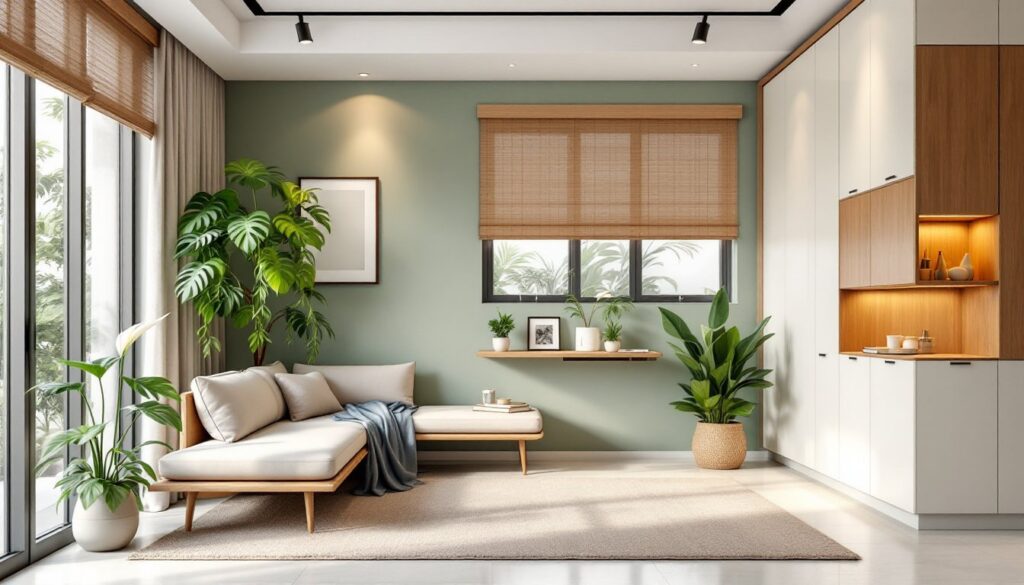
Singapore’s interior design scene represents a masterclass in blending cutting-edge modernity with deep cultural roots. In 2026, homeowners and designers across the island continue to embrace a distinctive aesthetic that honors traditional Asian values while embracing contemporary minimalism and smart living solutions. This unique approach to Singapore interior design has gained international attention, offering valuable lessons for anyone looking to create a sophisticated, livable space. Whether working with a compact HDB flat or a sprawling landed property, the principles underlying Singapore’s design philosophy prioritize function, cultural authenticity, and sustainable innovation. Understanding these core concepts helps DIY enthusiasts and homeowners make informed choices about materials, layouts, and finishes that truly reflect both personal taste and the spirit of Singapore’s design identity.
Key Takeaways
- Singapore interior design achieves sophisticated sophistication by blending minimalism with functional multifunctional furniture, making every square foot count in space-constrained homes.
- Cultural influences from Chinese feng shui, Malay, and Indian design traditions are subtly woven into modern aesthetics through natural materials, warm accents, and balanced spatial planning rather than explicit decoration.
- Smart home technology and sustainable practices, including motorized systems, low-VOC materials, and indoor plants, are now core design elements that operate invisibly while enhancing efficiency and wellbeing.
- Restrained color palettes featuring soft whites, warm grays, and sparse accent colors create visual calm in dense urban living, maintaining coherence and sophistication.
- Quality materials like light oak, marble, terrazzo, and natural fibers prioritize longevity and durability, reflecting both aesthetic values and environmental consciousness in Singapore interior design.
- Space optimization strategies such as built-in cabinetry, vertical storage solutions, and multifunctional furniture maximize usable volume while maintaining clean sightlines that make rooms feel larger.
The Essence Of Singapore’s Interior Design Aesthetic
Singapore interior design thrives on intelligent constraint. Land is precious, space is limited, and every square foot must earn its keep. This practical reality has shaped a philosophy that marries minimalism with functionality in ways that feel effortless rather than austere.
Minimalism And Space Optimization
Minimalism in Singapore isn’t about cold, empty rooms, it’s about intentional restraint. A Singapore interior design scheme typically features clean lines, uncluttered surfaces, and neutral base colors interrupted by carefully chosen accent pieces. Think of it as “edited luxury.” Rather than filling walls with decoration, designers and homeowners select a few striking elements, perhaps a statement wall in soft sage, a sculptural wooden shelf, or a single piece of curated art, and let the space breathe.
Space optimization drives every decision. Built-in cabinetry, multifunctional furniture, and wall-mounted storage systems are standard practice, not afterthoughts. A sofa might incorporate hidden storage beneath cushions: a dining table may extend to seat more guests or fold down to reclaim floor area. Vertical storage solutions, tall shelving units, wall-mounted desks, and ceiling-height cupboards, maximize usable volume without cramping the sightlines that make rooms feel larger. Lighting also plays a critical role: layered illumination (ambient, task, accent) creates depth and prevents the space from feeling oppressive even though clever compact design.
Cultural Influences In Contemporary Design
Singapore’s multicultural heritage, Chinese, Malay, Indian, and Western influences, threads through contemporary interior design in subtle, sophisticated ways. This isn’t about explicit decoration or pastiche: instead, cultural elements are abstracted and integrated into the modern aesthetic.
Traditional feng shui principles still guide spatial planning. Concepts like balance, flow, and the strategic placement of light and shadow inform furniture arrangements and color choices, even in minimalist spaces. You’ll notice spaces designed to encourage positive energy circulation: no sharp angles blocking sightlines, windows positioned to capture natural light, and open floor plans that promote movement and connection. Chinese design sensibilities also influence the preference for natural materials, wood, stone, and ceramics, that age beautifully and connect residents to nature.
Malay and Indian design traditions contribute to the warmth and texture often layered into Singapore interiors. Batik patterns, ornate woodwork details, and rich spice-tone accent colors appear as subtle touches rather than dominant themes. This cultural layering creates depth without visual chaos, a hallmark of sophisticated Singapore interior design. The overall effect is a space that feels personally grounded, culturally respectful, and undeniably contemporary.
Key Design Elements That Define Singapore Interiors
Certain materials and design choices have become signatures of Singapore’s interior design approach. These aren’t trends that spike and fade: they’re foundational preferences rooted in climate, lifestyle, and aesthetic values.
Color Palettes And Material Choices
Color palettes tend toward understated sophistication. Soft whites, warm grays, muted beiges, and soft taupe form the foundation. Accent colors are introduced sparingly, sage green, warm terracotta, muted dusty blue, or charcoal, often through a single feature wall, textiles, or artwork. This restraint keeps spaces feeling calm and coherent, which matters in dense urban living where visual tranquility is precious.
Material selection emphasizes quality and longevity. Light oak and walnut wood, polished concrete, marble accents, and high-quality tiles appear frequently. Rattan and woven natural fibers bring organic warmth and connect to Singapore’s tropical climate and heritage. Terrazzo flooring, a reclaimed material experiencing a global revival, fits perfectly with the region’s appreciation for sustainable, durable finishes. Matte finishes dominate over high-gloss for a sophisticated, low-key aesthetic.
Textiles matter tremendously. Linen, cotton, and natural blends in neutral tones create soft layering. Throws, cushions, and area rugs introduce texture without pattern overload. Natural window treatments, white linen curtains or bamboo blinds, maintain clean lines while managing Singapore’s intense tropical light. These material choices work together to create spaces that feel grounded, expensive without being ostentatious, and thoughtfully lived-in.
Smart Living And Sustainability Trends
By 2026, Singapore interior design increasingly incorporates smart home technology and sustainable practices as core rather than add-on features. This reflects both Singapore’s identity as a technology hub and growing environmental consciousness.
Smart storage solutions, integrated lighting systems, and climate control are planned from the outset, not retrofitted. Designers specify motorized roller blinds, sensor-activated faucets, and intelligent temperature management to reduce energy waste in a tropical climate. These systems operate invisibly, the aesthetic remains clean and minimal even as the infrastructure becomes more sophisticated. Voice-controlled lighting, intelligent storage that tracks inventory, and app-managed climate systems appeal to homeowners who value convenience and efficiency.
Sustainability infuses material selection. Reclaimed wood, recycled terrazzo, and responsibly sourced rattan appear in high-end Singapore interiors. Designers specify low-VOC paints, non-toxic adhesives, and finishes that won’t off-gas in sealed urban apartments. Water-efficient fixtures and energy-star-rated appliances are standard specifications. Indoor plants, monstera deliciosas, pothos, snake plants, and peace lilies, aren’t decorative afterthoughts but integral design elements that improve air quality and add organic texture. Vertical gardens and living walls transform blank surfaces into functional, beautiful features.
This integration of technology and sustainability reflects a broader shift: Singapore interior design in 2026 isn’t about creating Instagram-worthy spaces: it’s about designing homes that work efficiently, respect the environment, and support the wellbeing of their inhabitants.
Conclusion
Singapore interior design offers a compelling model for modern living anywhere. By prioritizing space efficiency, cultural authenticity, smart technology, and sustainability, homeowners create interiors that are both beautiful and purposeful. Whether renovating an HDB apartment or designing a new residence, the principles of restraint, quality materials, and thoughtful integration of cultural elements produce spaces that feel sophisticated, livable, and uniquely Singapore. The aesthetic continues to evolve in 2026, but its core, respect for tradition, embrace of innovation, and commitment to making every inch count, remains steadfast and increasingly relevant for contemporary life globally.