
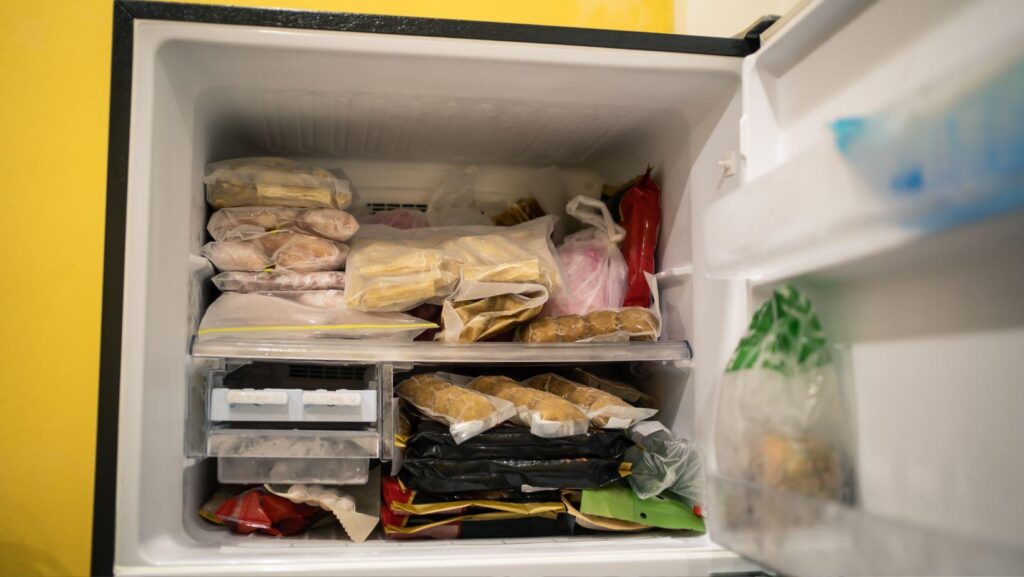
Freezers play a critical role in modern households by preserving food safely for weeks, months, and sometimes even years. From bulk grocery purchases and meal-prep ingredients to frozen vegetables and meats, many families rely on their freezers to reduce food waste and save money. In fact, a fully stocked freezer can easily contain several hundred dollars worth of food at any given time.
Most modern freezers are designed to last between 12 and 20 years, depending on the model, usage habits, and maintenance practices. However, performance problems often develop long before a freezer reaches the end of its lifespan. A malfunctioning freezer can lead to spoiled food, rising utility bills, and expensive repair costs if issues are ignored.
Fortunately, many freezer failures begin with warning signs that homeowners can recognize early. Understanding these symptoms and responding promptly can help prevent food loss and extend appliance lifespan.
Key Takeaways
- Temperature fluctuations are among the earliest signs of freezer trouble.
- Excessive frost buildup can reduce efficiency and storage space.
- Strange noises often indicate developing mechanical problems.
- Prompt repairs help prevent food spoilage and higher utility bills.
- Routine maintenance can significantly extend freezer lifespan.
- Professional diagnosis is often necessary for compressor, fan, and sealed-system issues.
Why Freezer Performance Matters?
Many homeowners don’t think about their freezer until something goes wrong.
The Financial Value of Frozen Food
A typical household freezer may contain-
- Frozen meats
- Prepared meals
- Vegetables
- Ice cream
- Bulk grocery purchases
The value of stored food can easily exceed several hundred dollars. A prolonged freezer failure can quickly turn that investment into waste.
Energy Consumption Considerations
Freezers operate continuously throughout the year.
When components become inefficient, the appliance may-
- Run longer cycles
- Consume more electricity
- Increase monthly utility bills
Even small performance issues can significantly affect long-term operating costs.
The Importance of Early Problem Detection
Identifying issues early helps-
- Prevent expensive repairs
- Protect stored food
- Improve efficiency
- Extend appliance lifespan
Most major freezer failures begin as minor problems that worsen over time.
Temperature Fluctuations
Temperature inconsistencies are among the most common signs of freezer trouble.
Signs of Temperature Problems
Common warning signs include-
- Soft frozen foods
- Mushy ice cream
- Frost-covered packaging
- Food thawing and refreezing
These symptoms often indicate cooling performance issues.
Common Causes
Potential causes include-
- Dirty condenser coils
- Faulty thermostats
- Compressor problems
- Airflow restrictions
- Fan motor failures
Why Immediate Action Is Important
Temperature fluctuations can result in-
- Food safety concerns
- Compressor strain
- Increased energy consumption
- Accelerated component wear
The longer cooling issues persist, the greater the risk of food loss.
Excessive Frost Buildup
Some frost is normal under certain conditions, but excessive accumulation often signals a problem.
What Causes Frost Accumulation?
Common causes include-
- Door seal failures
- Frequent door openings
- Defrost system malfunctions
- Humidity infiltration
How Frost Impacts Freezer Performance
Heavy frost can cause-
- Reduced storage capacity
- Restricted airflow
- Uneven cooling
- Higher energy bills
Prevention Tips
Homeowners can reduce frost buildup by-
- Inspecting door gaskets regularly
- Limiting door-opening time
- Maintaining proper temperatures
- Scheduling routine maintenance
Addressing frost problems early helps preserve efficiency.
Freezer Running Constantly
Freezers normally cycle on and off throughout the day.
What Is Considered Normal?
Longer run times can occur-
- During hot weather
- After adding large amounts of food
- Following frequent door openings
Warning Signs of a Problem
Potential concerns include-
- Continuous compressor operation
- Excessive heat around the appliance
- Rising electricity bills
- Constant fan activity
Common Causes
Typical causes include-
- Dirty condenser coils
- Worn door seals
- Refrigerant problems
- Thermostat failures
Constant operation increases wear on critical components.
Strange Noises Coming from the Freezer
Freezers naturally produce some operational sounds, but unusual noises should not be ignored.
Clicking Sounds
Possible causes include-
- Compressor relay issues
- Electrical component concerns
Buzzing Sounds
Buzzing may indicate-
- Compressor strain
- Fan motor problems
- Restricted airflow
Grinding or Rattling Sounds
Potential causes include-
- Evaporator fan issues
- Loose components
- Mechanical wear
When Noises Require Immediate Attention
Seek professional evaluation if sounds become-
- Suddenly louder
- Persistent
- More frequent
- Metal-on-metal in nature
Unusual noises often provide early warning of developing mechanical failures.
Water Leaks Around the Freezer
Water around a freezer should never be ignored.
Common Sources of Leaks
Leaks may originate from-
- Defrost drain blockages
- Condensation issues
- Ice buildup
- Drain pan concerns
Risks of Ignoring Water Leaks
Water exposure can cause-
- Flooring damage
- Mold growth
- Cabinet deterioration
- Structural moisture problems
Early Warning Signs
Watch for-
- Water pooling beneath the appliance
- Excess moisture nearby
- Persistent dampness
- Musty odors
Prompt action can prevent costly property damage.
Door Seal Problems
Door gaskets play a major role in freezer efficiency.
Why Freezer Gaskets Matter
Proper seals help-
- Maintain stable temperatures
- Reduce compressor workload
- Improve energy efficiency
Signs of Seal Failure
Common symptoms include-
- Frost near door edges
- Condensation
- Longer run times
- Visible gasket damage
Simple Inspection Methods
Homeowners can perform-
- Visual inspections
- The dollar-bill seal test
- Moisture checks around doors
Replacing damaged seals is often far less expensive than repairing cooling-system damage.
Common Problems by Freezer Type
Different freezer styles experience different maintenance challenges.
Upright Freezers
Common concerns include-
- Airflow restrictions
- Frost accumulation
- Door seal wear
Chest Freezers
Frequent issues involve-
- Drainage problems
- Lid gasket deterioration
- Temperature inconsistencies
Built-In Freezers
Premium built-in systems may experience-
- Ventilation challenges
- Specialized component failures
- Installation-related cooling issues
Popular Freezer Brands and Common Issues
Different manufacturers often have different repair patterns.
Whirlpool Freezers
Common issues include-
- Thermostat concerns
- Defrost system failures
GE Freezers
Frequently reported problems include-
- Fan motor wear
- Control board failures
Frigidaire Freezers
Owners commonly encounter-
- Seal deterioration
- Cooling performance concerns
Premium Refrigeration Systems
Luxury brands such as-
- Sub-Zero freezer systems
- Viking freezer compartments
often require specialized service and diagnostics.
How Poor Maintenance Leads to Expensive Repairs
Many major freezer repairs begin with neglected maintenance.
Dirty Condenser Coils
Dirty coils force compressors to work harder, increasing wear and energy usage.
Ignored Frost Buildup
Excess frost often signals airflow or seal problems that worsen over time.
Delayed Leak Repairs
Small leaks can eventually cause-
- Water damage
- Component failures
- Mold growth
Overloaded Compartments
Overpacking can restrict airflow and reduce cooling efficiency.
Blocked Air Vents
Proper circulation is essential for maintaining consistent temperatures.
Why Fast Freezer Repairs in Marietta, GA, Can Prevent Major Losses?
Unlike many household appliances, freezer failures can result in immediate financial losses through spoiled food. A cooling issue that develops gradually may seem minor at first but can quickly become a major problem if left unresolved.
Homeowners who notice temperature fluctuations, unusual noises, frost buildup, or constant operation often benefit from professional freezer repair in Marietta services before significant food loss occurs. Experienced technicians can diagnose cooling-system problems, repair damaged components, restore efficiency, and help prevent expensive emergency replacements.
Addressing small performance issues early is often the most cost-effective approach.
Preventive Maintenance Tips
Routine maintenance remains one of the best ways to maximize freezer reliability.
Clean Condenser Coils Every 6–12 Months
Clean coils help-
- Improve efficiency
- Reduce compressor strain
- Lower energy costs
Monitor Internal Temperatures
Recommended freezer temperature-
- 0°F (-18°C)
Inspect Door Seals Regularly
Healthy gaskets help maintain cooling performance and reduce energy waste.
Avoid Overpacking the Freezer
Adequate airflow is essential for consistent temperatures.
Keep Air Vents Unobstructed
Blocked vents can contribute to cooling problems and increased energy consumption.
Repair vs. Replace- How to Decide
When Repair Is Worth Considering
Repairs often make sense when-
- The freezer is under 12 years old
- Repair costs remain reasonable
- Efficiency remains strong
- Problems involve isolated components
When Replacement May Be Better
Replacement may deserve consideration when-
- Repeated compressor failures occur
- Sealed-system problems become extensive
- Frequent breakdowns continue
- Energy efficiency declines substantially
Evaluating Long-Term Value
Important considerations include-
- Repair frequency
- Reliability
- Operating costs
- Energy savings
A professional assessment can help determine the best option.
Conclusion
Freezers often provide warning signs before a complete breakdown occurs. Temperature fluctuations, excessive frost buildup, unusual noises, water leaks, and continuous operation should never be ignored.
Routine maintenance and prompt repairs can help homeowners protect valuable food supplies, reduce utility costs, and maximize appliance lifespan. By identifying problems early and addressing them quickly, homeowners can avoid many of the costly failures that lead to spoiled food and expensive replacements.
When it comes to freezer reliability, proactive maintenance is almost always the most affordable solution.
FAQs
What temperature should a freezer maintain?
Most food safety experts recommend maintaining a freezer temperature of 0°F (-18°C).
Why is my freezer running constantly?
Common causes include dirty condenser coils, damaged door seals, refrigerant issues, and thermostat problems.
Is frost buildup inside a freezer normal?
A small amount may be normal, but excessive frost often indicates seal problems, air leaks, or defrost system failures.
How often should freezer condenser coils be cleaned?
Most manufacturers recommend cleaning condenser coils every 6–12 months.
How long should a freezer last?
Most modern freezers last between 12 and 20 years, depending on usage, maintenance, and build quality.