
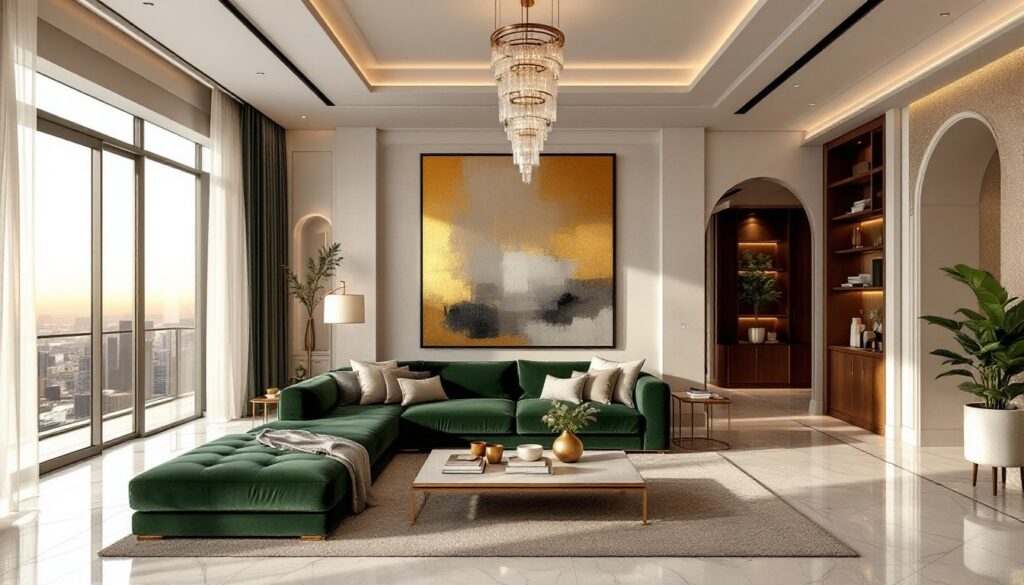
Dubai’s interior design scene stands as a bold fusion of ultramodern aesthetics and timeless luxury, reflecting the city’s position as a global design hub. From sprawling penthouses overlooking the Arabian Gulf to boutique retail spaces in the Downtown core, Dubai interior design pushes boundaries with opulent materials, cutting-edge smart home technology, and a confident blend of Middle Eastern heritage with contemporary innovation. Whether a homeowner is renovating a villa or a business owner is outfitting a commercial space, understanding the defining characteristics of Dubai’s design language is essential. This guide explores the signature elements, key design principles, and practical considerations that shape interior spaces across the Emirates’ most dynamic city.
Key Takeaways
- Dubai interior design embraces maximalist luxury with bold materials like Italian marble, velvet, and brass finishes, creating opulent spaces that celebrate abundance rather than minimalism.
- Scale and proportion are foundational to Dubai’s design language, with high ceilings (12+ feet), open floor plans, and gallery-like spaces that allow statement artwork and dramatic lighting to command attention.
- Contemporary Dubai interiors skillfully blend traditional Islamic geometric patterns, mashrabiya screens, and Emirati craftsmanship with modern aesthetics, creating culturally rooted yet globally relevant spaces.
- Smart home technology and sustainable materials are now integral to luxury Dubai interior design, with hidden automation systems, energy-efficient LED lighting, and eco-conscious material sourcing enhancing both functionality and visual elegance.
- Successful Dubai interior design projects require partnering with local designers who understand market-specific knowledge including material sourcing timelines, building codes, import processes, and the city’s luxury culture expectations.
The Signature Style Of Dubai’s Interior Design Scene
Dubai’s interior design identity revolves around bold self-expression, maximalist sensibilities, and an unapologetic embrace of luxury. Unlike minimalist design movements prevalent in other global cities, Dubai interiors often celebrate abundance, layered textures, dramatic color palettes, and statement pieces that command attention. This aesthetic reflects the city’s rapid growth, cosmopolitan clientele, and cultural confidence.
The foundation of Dubai’s design language is scale and proportion. Ceilings in residential and commercial projects often reach 12 feet or higher, allowing designers to incorporate oversized artwork, multi-tiered lighting installations, and dramatic accent walls. Open floor plans connected by wide corridors and double-height atriums create spaces that feel expansive and gallery-like. This spatial generosity encourages residents and visitors to pause and appreciate design details.
Opulent Materials And Statement Finishes
Material selection is where Dubai’s design ethos truly shines. Marble, particularly Italian varieties like Calacatta, Statuario, and darker emperador tones, dominates flooring, wall cladding, and kitchen islands. Rather than using marble sparingly, Dubai designers often cover entire walls or feature prominent architectural elements in rich veining and polished finishes.
Velvet and silk upholstery on seating is standard, often in jewel tones (emerald, sapphire, burgundy) or neutral creams. Brass, gold, and rose gold metal finishes replace chrome throughout lighting fixtures, door hardware, and decorative accents. Leather, particularly in rich chocolate, caramel, or black tones, appears on accent walls, headboards, and dining chairs.
Custom wallpapers with geometric patterns, botanical motifs, or metallic accents layer visual interest without feeling chaotic. Terrazzo, travertine, and engineered stone provide alternative flooring that echoes marble’s luxury aesthetic while offering durability in high-traffic areas. Lighting design emphasizes crystal chandeliers, sculptural pendant lights, and integrated LED strip lighting that creates ambient drama throughout spaces.
Key Design Elements That Define Dubai Interiors
Several consistent elements appear across residential and commercial Dubai interiors, creating visual coherence across the city’s diverse project portfolio.
Accent walls and architectural features serve as focal points. Rather than painting four walls a single neutral, Dubai designers often feature one wall in bold wallpaper, a contrasting paint color, or textured cladding (shiplap, wood paneling, or stone). This approach adds dimensionality without overwhelming.
Custom built-in cabinetry replaces standalone furniture. Floor-to-ceiling shelving units, integrated media walls, and bespoke storage solutions maximize space while maintaining visual continuity. Materiality often mixes, walnut cabinetry paired with marble or brass detailing creates layered sophistication.
Lighting layering is non-negotiable. Designers incorporate ambient ceiling fixtures (often on dimmer switches), task lighting (pendant lights above kitchen islands or reading nooks), and accent lighting (LED strips highlighting architectural details or artwork). This multi-layered approach allows residents to adjust mood and functionality throughout the day.
Large-scale artwork functions as a design anchor. Statement paintings, sculptural installations, or gallery walls create visual weight and conversation-starting focal points. Many Dubai homes dedicate entire walls to singular oversized pieces or carefully curated collections.
Layered textiles and rugs add warmth to polished hard surfaces. High-quality wool or silk rugs in muted earth tones, geometric patterns, or subtle color pops create definition in open-plan spaces. Throw pillows, blankets, and drapery in coordinating fabrics add tactile interest.
Functional luxury elements like wine fridges, coffee bars, or spa-inspired bathrooms reflect Dubai’s lifestyle aspirations. Walk-in closets with custom shelving and lighting, ensuite bathrooms with freestanding soaking tubs, and home gyms outfitted with premium equipment blur the line between practical and indulgent.
Blending Tradition With Contemporary Aesthetics
While Dubai’s design language leans modern, many projects weave traditional Middle Eastern and Islamic design principles into contemporary spaces. This fusion creates interiors that feel culturally rooted while remaining globally current.
Geometric patterns derived from Islamic tilework, interlocking stars, arabesques, and tessellations, appear in wallpapers, rugs, and floor inlays. Rather than replicating historical ornamental schemes, designers abstract and simplify these motifs for contemporary appeal.
Mashrabiya screens (traditional carved wooden latticework) inspire modern iterations in metal, acrylic, or laser-cut wood. These functional screens provide privacy, control light, and add visual interest to windows, partition walls, or decorative room dividers.
Neutral earth-tone palettes, sand, taupe, charcoal, warm gray, echo the natural desert landscape while providing sophisticated backdrops. Accent colors often include deep jewel tones or muted terracottas.
Recessed niches and arched doorways reference traditional architectural language but are executed with clean lines and modern materials. A niche might display a curated art object or be integrated into a wall of shelving.
Natural materials like stone, mud brick (in conceptual or decorative contexts), and natural fibers honor heritage while meeting contemporary performance standards. Linen and wool textiles, unfinished wood tones, and raw stone finishes create authenticity without feeling period-specific.
Many high-end projects commission local artisans to create custom pieces, hand-painted tiles, woven poufs, or carved wooden screens, that celebrate Emirati craftsmanship alongside modern design. This intentional curation demonstrates respect for cultural heritage while asserting Dubai’s forward-thinking design confidence.
Sustainable And Smart Home Integration
Dubai’s 2026 interior design landscape increasingly reflects sustainability commitments and smart home technology integration, balancing luxury with environmental responsibility.
Energy-efficient lighting using LED systems with programmable color temperature and intensity has become standard. Smart lighting can adjust based on time of day, occupancy, or user preference, reducing energy consumption while maintaining aesthetic impact.
Climate control systems are hidden behind custom millwork or integrated into ceiling cavities, eliminating visual clutter. Smart thermostats and zone-based HVAC allow residents to optimize comfort while reducing waste.
Water-conscious fixtures, low-flow faucets, rainfall showerheads with flow restrictors, and smart irrigation systems for landscaping, integrate seamlessly into luxury bathrooms and outdoor spaces. Aesthetic doesn’t suffer: performance improves.
Sustainable material sourcing is increasingly demanded by Dubai’s design-conscious clientele. FSC-certified wood, recycled glass countertops, and low-VOC paints and finishes maintain indoor air quality without sacrificing visual standards.
Smart home automation platforms (voice-activated controls, mobile apps, centralized systems) manage lighting, temperature, security, and entertainment. These systems operate invisibly, speakers are hidden in ceilings, wiring is concealed in walls, preserving interior aesthetics.
Biophilic design elements, living plant walls, interior gardens, natural light maximization, create psychological wellness benefits. Air-purifying plants serve functional purposes while adding organic texture.
The integration of sustainability and technology doesn’t diminish Dubai’s luxury aesthetic: rather, it represents an evolution where environmental consciousness and modern comfort coexist with opulent design. High-performance materials and systems deliver both visual and functional excellence.
Working With Dubai Interior Designers
Collaborating with experienced interior designers familiar with Dubai’s unique market is essential for successful projects, whether residential or commercial.
Local market knowledge is invaluable. Dubai-based designers understand contractor networks, material sourcing timelines (especially for imported Italian marble or European fixtures), building codes and permit requirements, and client expectations shaped by the city’s luxury culture. They navigate the regulatory environment, authorities like the Dubai Municipality have specific requirements for materials, finishes, and accessibility, more efficiently than outside firms.
Portfolio review should focus on projects similar in scope, style, and market segment. A designer experienced in high-end villa renovations may excel there but lack expertise in commercial fit-outs or modest apartment redesigns. Ask for references and site visits when possible.
Communication about budget and timeline prevents frustration. Dubai’s luxury market accommodates bespoke elements and custom millwork, but these require lead time and coordination. Material sourcing from Italy, Turkey, or the UK may take 8-12 weeks. Customs clearance and import processes add time.
Design direction and mood boards should be established early. Sharing inspiration images, preferred color palettes, and lifestyle priorities ensures alignment. Many Dubai designers use 3D rendering and virtual walkthroughs, allowing clients to visualize spaces before execution.
Project management oversight is critical, particularly for phased renovations where residents remain in-home. Reputable designers coordinate contractors, manage inspections, and oversee quality assurance to meet high standards.
Aftercare and warranty should be clearly defined. Who handles punch-list items, warranty claims on custom millwork, or post-installation adjustments? Written agreements protect both parties. Many premium firms offer 1-2 year maintenance periods following project completion.
Conclusion
Dubai’s interior design aesthetic, a confident blend of opulent materials, maximalist composition, cultural heritage, and technological innovation, reflects a city unafraid to celebrate luxury while embracing sustainability and smart living. Whether drawing on traditional Islamic geometry, investing in custom Italian marble, or seamlessly integrating hidden automation systems, Dubai’s design language remains distinctly aspirational yet increasingly conscious. For those embarking on interior projects in this market, understanding these signature elements and partnering with knowledgeable local professionals ensures results that honor both global design trends and Dubai’s unique position as a luxury design destination.