
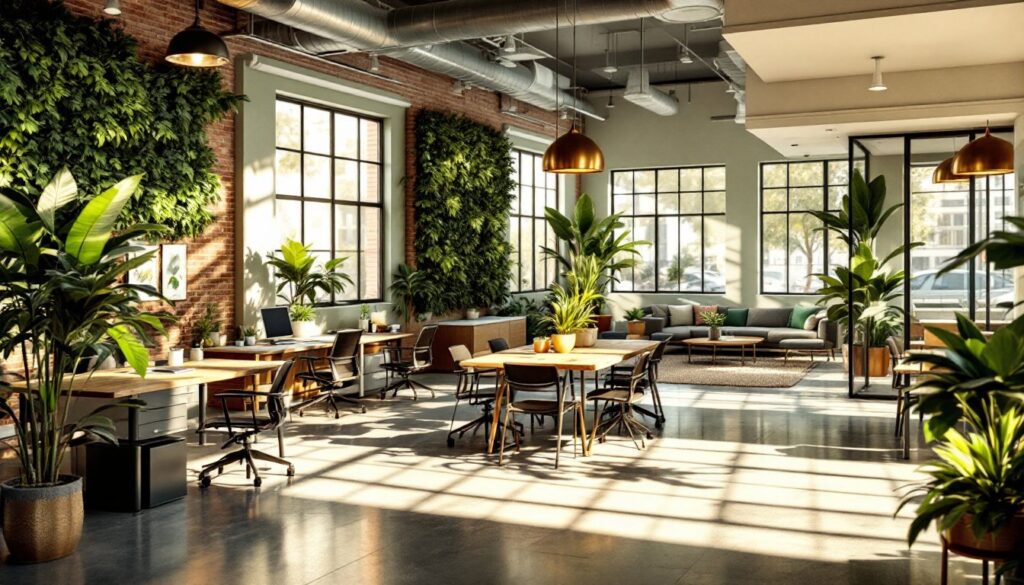
Austin’s competitive business landscape demands more than just office space, it requires environments that reflect a company’s culture and attract top talent. Commercial interior design in Austin has evolved beyond aesthetics into a strategic business tool. Whether a startup is launching in downtown or an established firm is relocating to South Congress, the spaces we work in directly influence client impressions, employee morale, and bottom-line performance. This guide walks through how thoughtful design transforms Austin businesses, the trends reshaping local commercial real estate, and how to choose a designer who understands both the city’s character and your company’s goals.
Key Takeaways
- Commercial interior design in Austin is a strategic business tool that directly influences client impressions, employee morale, and company performance, not just an aesthetic consideration.
- Effective Austin commercial spaces balance open collaboration with focused work areas, incorporate natural light and biophilic elements, and reflect the city’s authentic, casual-professional culture.
- Sustainability and smart technology integration—from LEED certifications to IoT building systems—are now baseline expectations in Austin offices, reducing long-term operational costs while attracting top talent.
- When choosing a commercial interior designer in Austin, prioritize those with verifiable local experience, strong vendor relationships, NCIDQ certification, and a collaborative communication style.
- Design trends dominating Austin commercial real estate include flexible modular layouts, warm earth tones with industrial materials, and wellness-focused spaces that support both mental health and productivity.
Why Commercial Interior Design Matters For Austin Businesses
Austin attracts entrepreneurs and corporations alike, all competing for the same talent pool. A well-designed office isn’t a luxury, it’s a differentiator. When a prospective employee walks in, they immediately assess whether the space reflects innovation, professionalism, and company values. Clients feel it too. A thoughtfully laid-out reception area, cohesive branding through materials and color, and functional meeting spaces signal competence and stability.
The Austin business culture skews toward authenticity and a casual-professional vibe. Unlike corporate headquarters in other cities, Austin spaces often blend industrial elements, local art, and modern functionality. This requires designers who understand the city’s DNA. Poor interior design, cramped layouts, mismatched aesthetics, inefficient flow, drains productivity and increases turnover. Studies consistently show that employees work better in thoughtfully designed environments with natural light, ergonomic furniture, and spaces that support both focus and collaboration.
Beyond employee morale, design directly impacts operational efficiency. A well-organized workspace reduces wasted time searching for resources, improves communication between departments, and creates a professional impression that influences business development and client retention. For Austin businesses, commercial interior design is part of brand strategy.
Creating Spaces That Boost Productivity And Employee Satisfaction
Productive workplaces balance focused work with collaborative zones. Open-plan layouts have their place, but they’re not a one-size-fits-all solution. The most effective Austin commercial spaces incorporate quiet areas for deep work, private phone booths, small focus rooms, or library-style zones where background noise is minimal. Employees need both connection and concentration.
Austin’s climate and landscape offer natural design advantages. Floor-to-ceiling windows and skylights maximize daylight, reducing reliance on artificial lighting and boosting circadian rhythms. Biophilic design, incorporating plants, natural materials like wood and stone, and views of greenery, has measurable effects on stress reduction and cognitive function. Many Austin firms integrate living walls, potted plants throughout common areas, and even rooftop terraces to leverage the city’s year-round outdoor appeal.
Furniture selection directly affects both comfort and image. Ergonomic chairs, adjustable sit-stand desks, and modular workstations accommodate diverse work styles and body types. Breakroom design matters too, quality espresso machines, natural materials, and comfortable seating encourage informal collaboration. The secondary kitchen space isn’t an afterthought: it’s where relationships deepen and creative ideas spark. Accessibility is non-negotiable: ramps, accessible restrooms, and clear wayfinding aren’t nice-to-have features, they’re legal requirements and reflect genuine inclusivity.
Design Trends Dominating Austin’s Commercial Real Estate
Austin’s commercial design landscape is shaped by the city’s tech-forward identity, emphasis on sustainability, and creative culture. Several trends have taken hold and show no signs of slowing.
Biophilic design and wellness-focused spaces remain dominant. Austin companies recognize that employees want more than a paycheck, they want environments that support mental and physical health. Natural light, indoor plants, and access to outdoor terraces have moved from “nice-to-have” to expected amenities. This trend aligns with Austin’s broader environmental consciousness and appeals to the creative and tech workers who drive the local economy.
Flexibility and modular design have become standard practice. Post-pandemic, Austin businesses learned that rigid layouts don’t work. Convertible meeting spaces, movable partitions, and multipurpose zones allow companies to adapt to hybrid work, shift team sizes, or pivot their operational focus without major renovations. This approach reduces long-term costs and future-proofs the investment.
Color and materiality are evolving beyond corporate beige. Earth tones, terracotta, sage green, warm grays, dominate Austin commercial interiors, reflecting both the landscape and a desire for warm, inviting spaces. Exposed brick, reclaimed wood, and concrete are popular, often softened with fabrics and furnishings. This balance between industrial and refined appeals to Austin’s design sensibility.
Sustainable And Tech-Forward Design In Austin Offices
Sustainability isn’t just trendy in Austin: it’s embedded in the business culture. Companies want LEED-certified or LEED-equivalent spaces, not because certifications look good on marketing materials, but because they reflect genuine commitment to reducing environmental impact. Low-VOC paints and finishes, sustainably sourced wood, and energy-efficient lighting systems are now baseline expectations.
Tech integration is equally critical. Smart building systems control lighting, temperature, and energy use based on occupancy. Conference rooms feature integrated AV, wireless charging, and video conferencing technology that actually works, no tangled cables or “can you hear me” chaos. Austin’s companies expect seamless technology: poor digital infrastructure feels outdated and frustrates both employees and clients.
Renewable energy features and water conservation are increasingly common. Rooftop solar arrays, rainwater harvesting systems, and efficient plumbing fixtures aren’t just environmentally responsible, they reduce operational costs over time. Austin’s progressive business community recognizes that sustainable design is good business, not just good optics.
Choosing The Right Commercial Interior Designer In Austin
Selecting a designer is a critical decision that shapes your workspace for years to come. A designer brings expertise in spatial planning, building codes, materials knowledge, and cost management that in-house teams typically lack. They have vendor relationships, understand local suppliers, and know which contractors deliver quality work on time.
Start with a clear project scope and budget. Are you outfitting a new space, renovating an existing office, or adjusting your current layout? Are you prioritizing sustainability certifications, tech infrastructure, or specific aesthetic direction? Be transparent about constraints: budget, timeline, and non-negotiables. A good designer will ask clarifying questions and set realistic expectations.
Interview multiple candidates. Request portfolios focused on Austin projects or comparable markets. Ask how they approach collaboration, how they handle scope creep, and how they manage budgets. Request references from past clients and follow up with phone calls or coffee meetings. You’re not just hiring a designer: you’re choosing a partner for a 6-18 month project.
Key Qualities And Portfolio Considerations
Look for designers with verifiable Austin commercial experience. They should understand local building codes, permitting timelines, and the specific challenges of Austin’s real estate market. A designer with strong relationships with Austin contractors, furniture vendors, and specialty trades will deliver faster and often at better cost.
Portfolio review should go beyond photos. Ask for project case studies: budget, timeline, challenges overcome, and measurable outcomes (cost savings, faster project completion, employee satisfaction metrics). Did they design for similar company sizes and industries? How do their previous projects compare to your vision?
Certifications matter contextually. NCIDQ certification (National Council for Interior Design Qualification) indicates formal training and testing. LEED accreditation shows expertise in sustainable design. Neither is mandatory, but both signal professional rigor. In Texas, commercial interior designers don’t need licensure like architects, but NCIDQ-certified designers meet higher standards.
Communication style is critical. Do they listen more than pitch? Will they involve you throughout the process or hand off a finished design? Are they responsive to questions and open to feedback? A designer who treats you as a partner rather than a client to execute for will deliver better results and a less stressful process.
Final consideration: scope and fees. Some designers charge hourly rates, others work on fixed project fees, and some combine hourly with a percentage of construction costs. Understand exactly what’s included: design concepts, specification writing, vendor selection, project management, and site visits. Hidden costs emerge when scope isn’t defined upfront, so detail matters.
Conclusion
Commercial interior design shapes how Austin businesses operate, present themselves, and attract talent. A strategic, well-executed design reflects company culture, supports employee productivity, and positions the business as forward-thinking. Austin’s competitive environment demands spaces that do more than look good, they perform.
Choosing the right designer and committing to thoughtful design is an investment in your company’s future. Whether you’re a fast-growing startup or an established firm looking to refresh, the payoff in employee satisfaction, client impressions, and operational efficiency makes it worth the effort.